

2010 Subaru Forester Body Module: Solving Electrical Gremlins and No-Start Issues
This guide covers the symptoms, diagnosis, and critical programming requirements for the 2010 Forester's Body Integrated Unit (BIU), also known as the Body Control Module (BCM).
- This part is called the Body Integrated Unit (BIU) in Subarus, not BCM.
- A replacement BIU (new or used) MUST be programmed to the vehicle, otherwise the engine will not start.
- You can have it programmed at a dealer, a capable independent shop, or use a mail-in cloning service to make a used part plug-and-play.
- Common failure symptoms include key fob issues, parasitic battery drain, erratic lights, and no-start conditions.
What is the Body Control Module on a 2010 Subaru Forester?

On a 2010 Subaru Forester, the part commonly known as the Body Control Module (BCM) is officially called the Body Integrated Unit, or BIU. Think of it as the main circuit board for your car's body electronics. It doesn't control the engine—that's the job of the Engine Control Module (ECM)—but it does manage almost everything else. Functions like your power door locks, windows, interior lights, headlights, wipers, and keyless entry all run through the BIU. Most importantly, it is a critical part of the vehicle's security and immobilizer system.
Common Symptoms of a Failing 2010 Forester BIU

A failing BIU can cause a wide range of confusing and seemingly unrelated electrical problems. Because the BIU controls so many different systems, symptoms can appear erratic. Here are the most common signs to watch for:
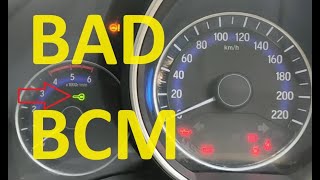
🎬 Watch: A breakdown of common symptoms of a bad BCM- Key Fob and Security System Issues: The key fob may stop working intermittently or altogether. The security alarm might trigger randomly, or you may have trouble locking and unlocking the doors.
- Erratic Lights: Interior dome lights may stay on, flicker, or not turn on at all. Headlights or taillights might behave unpredictably.
- Power Window and Lock Malfunctions: You might experience intermittent operation of power windows or door locks that seem to have a mind of their own.
- Parasitic Battery Drain: One of the most common signs is a battery that repeatedly dies for no apparent reason. A faulty BIU can fail to shut down certain circuits when the car is off, leading to a slow drain on the battery.
- Vehicle Will Not Start: Because the BIU is tied to the immobilizer, a complete failure can prevent the car from recognizing your key. The engine will not crank or may start for a second and then die.
- Dashboard Warning Lights: A failing BIU can cause multiple, unrelated warning lights to appear on the instrument cluster. You may see Body (B) or Communication (U) diagnostic trouble codes, such as B1101, when scanned with a proper tool.
Pro Tip: Before condemning the BIU, always check the simple things first. For key fob issues, replace the fob's battery (a CR1620 for this model). For other electrical problems, inspect all related fuses and check the main vehicle battery to ensure it is fully charged and healthy.
CRITICAL: Programming and Immobilizer Requirements

This is the most important section for anyone considering a replacement. You cannot simply swap a BIU from one Forester to another and expect it to work.
Does a replacement BIU need to be programmed?
Yes, absolutely. A replacement BIU, whether it is brand new from the dealer or a used unit from a recycler, must be electronically registered or programmed to your specific vehicle. The BIU stores your vehicle's unique key and immobilizer information. If this programming is not performed, the car will not recognize your keys, and the engine will not start.
Warning: Installing an unprogrammed Body Integrated Unit will render the vehicle immobile. The engine will not crank or start until the unit is correctly synchronized with your vehicle's keys and Engine Control Module.
Who Can Program a 2010 Forester BIU?
You have three main options for getting a replacement BIU programmed:
- Subaru Dealership: This is the most straightforward, albeit often most expensive, option. A dealer has the proprietary Subaru Select Monitor (SSM) software required to perform the registration and key synchronization.
- Independent Repair Shop: Many independent shops that specialize in Japanese vehicles or auto electronics have advanced, professional-grade scan tools (such as Autel or VXDIAG) that can perform BIU registration for Subarus. You must call ahead to confirm they have this specific capability. 🎬 Watch: How to program a Subaru Body Integrated Unit
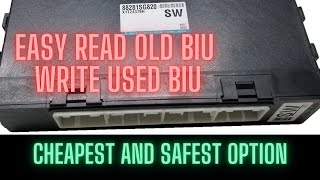
- Mail-In Cloning Service: Several companies offer a mail-in cloning service. You send them your original (faulty) BIU and a compatible used (donor) BIU. They extract the key data, VIN, and other settings from your original module and flash it onto the donor unit. The cloned module is then shipped back to you, ready for plug-and-play installation with no further programming needed. This is an excellent, cost-effective option, especially if your original module is damaged but its internal memory can still be read.
Buying a Used 2010 Forester Body Integrated Unit

Buying a used BIU is a great way to save a significant amount of money, but it's crucial to do it right given the programming requirements.
- Match the Part Number Exactly: The most critical step is to match the OEM part number on the replacement unit to your original. The two known part numbers for the 2010 Forester are 88281SC530 and 88281SC531. Part number 88281SC531 is a later, updated version that supersedes 88281SC530. While they are interchangeable, matching the exact number is the safest bet.
- Inspect for Damage: When you receive the used module, carefully inspect the case and all connector pins. Look for any signs of corrosion, which indicates water damage, or any cracks in the plastic housing. A water-damaged BIU is a common cause of failure.
- Buy From a Reputable Source: Purchase from an established auto recycler that offers a warranty. This protects you in case the part is defective, which is important for an electronic component you can't fully test until after it has been programmed.
- Have a Programming Plan: Before you buy the part, know how you will get it programmed. Get a quote from a local dealer or independent shop for programming a used module, or arrange for a mail-in cloning service. Some shops may be hesitant to install and program customer-supplied used parts, so confirm their policy first.
Replacement Overview
- Location: The BIU on the 2010 Forester is located under the driver's side dashboard, typically near the steering column and main interior fuse box.
- Procedure: The physical replacement is straightforward. First, disconnect the negative terminal of the car battery. Remove the lower dashboard trim panel under the steering wheel to gain access. The BIU is usually held in place by a few bolts or clips. Carefully disconnect the electrical connectors, remove the old unit, and install the new one. Reconnect the battery and proceed immediately with your chosen programming method.
Cost Comparison
The cost of replacing a BIU can vary significantly based on the part source and labor involved.
| Item | Estimated Cost |
|---|---|
| New OEM Part | $415 - $621 |
| Used OEM Part | $50 - $125 |
| Remanufactured | Not Generally Available |
| Shop Labor (Programming Only) | $120 - $200 |
| Mail-In Cloning Service | $250 |
Frequently Asked Questions (FAQ)
Can I drive my Forester with a bad BIU?
It depends on the symptoms. If you only have minor issues like an intermittent window or lock, you can likely still drive the car. However, if the BIU is causing a no-start condition, parasitic battery drain that leaves you stranded, or affecting exterior lighting, the vehicle should be repaired immediately as it is either unreliable or unsafe.
What is the difference between part numbers 88281SC530 and 88281SC531?
Part number 88281SC531 is a newer, updated version that replaces the older 88281SC530. They are considered interchangeable for the 2010 Forester. When buying a replacement, either number should work, but it's always best practice to match your original part number if possible.
Will a bad BIU cause a Check Engine Light?
Usually, no. The Check Engine Light is typically reserved for issues with the engine, transmission, and emissions systems, which are controlled by the ECM. A failing BIU is more likely to set Body Codes (B-codes) or Communication Codes (U-codes) that can only be read by a more advanced scan tool, not a basic code reader.
Can I just get my original BIU repaired?
In some cases, yes. If the failure is due to a common issue like a cracked solder joint or a bad component on the circuit board, a skilled electronics technician may be able to repair it. However, the most common and reliable solution for a DIY or general mechanic is replacement, often combined with a cloning service which effectively transfers the 'identity' of your old module to a working used one.
Helpful Videos

Technical Specifications
OEM Part Numbers: 88281SC530 88281SC531
Controls body electronics and integrates with the vehicle immobilizer system.
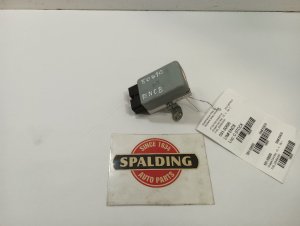
We Have This Part in Stock


The information in this article is provided for general reference and educational purposes only. Vehicle specifications, procedures, and part compatibility can vary by production date, trim level, and region. Always consult your vehicle's factory service manual and verify part numbers before purchasing or performing repairs. Safety-critical components such as airbags, seat belts, and braking systems should be installed by a qualified professional.
- Subaru Forester:
- 🎬 Helpful Videos
- 🛍️ Shop This Part
- What is the Body Control Module on a 2010 Subaru Forester?
- Common Symptoms of a Failing 2010 Forester BIU
- CRITICAL: Programming and Immobilizer Requirements
- Does a replacement BIU need to be programmed?
- Who Can Program a 2010 Forester BIU?
- Buying a Used 2010 Forester Body Integrated Unit
- Replacement Overview
- Cost Comparison
- Frequently Asked Questions (FAQ)
- 🎟️ Get 5% Off