

2002-2007 Sea-Doo ECU & MPEM Failure: A Guide to DESS Keys, Programming, and No-Start Issues
This in-depth guide covers the symptoms, diagnosis, and replacement of the main computer (ECU/MPEM) for popular 4-TEC powered Sea-Doo watercraft and sport boats, focusing on the critical DESS key programming requirement.
- A replacement ECU/MPEM MUST be electronically programmed to your DESS key lanyard to function.
- Common failure symptoms include no beeps when the key is attached, and a 'cranks but no spark' condition.
- Water intrusion into the main electrical box is a leading cause of failure; check and replace the box seal.
- Used OEM modules are a reliable option, but cheap aftermarket units should be avoided due to high failure rates.
Symptoms of a Failing Sea-Doo ECU or MPEM

Electrical problems on a Sea-Doo can be frustrating. While issues can stem from a bad battery or corroded connections, a failing ECU or MPEM will often present a distinct set of symptoms. Watch for these common red flags on your 2005-2007 Sea-Doo 3D, 2007 Challenger, 2006-2007 GTI, 2002-2007 GTX, 2004-2007 RXP, 2005-2007 RXT, or 2006-2007 Speedster.
No Beep, No Crank, No Start
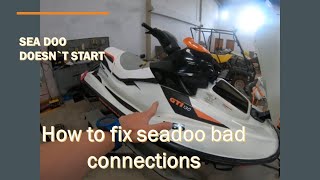
This is the most common and definitive symptom. You place the DESS key lanyard on the post, and nothing happens. You don't hear the typical two beeps that confirm the key has been recognized, and the start/stop button is unresponsive. 🎬 Watch: Troubleshooting a Sea-Doo that won't start or beep The gauges may or may not flicker briefly. This often points to a failure within the MPEM's power circuits or the ECU's DESS recognition system.
Engine Cranks But Won't Start (No Spark)
In this scenario, the engine turns over when you press the start button, but it never fires up. This is often caused by a lack of spark. The ECU is responsible for triggering the ignition coils. If the ECU has failed, it may not send the signal to the coils, resulting in a no-spark condition across all cylinders. This can also be accompanied by injectors behaving erratically.
DESS Key Not Recognized
The system may power up, but the information center displays a 'KEY NOT RECOGNIZED' message. This indicates a breakdown in communication between the DESS key, the post, and the ECU/MPEM where the key codes are stored. Even if the key is physically correct, the module can no longer verify its electronic signature.
Repeatedly Blowing Fuses
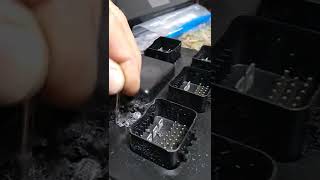
If you find that a specific fuse in the MPEM—most commonly the 5-amp fuse—blows repeatedly as soon as you connect the DESS key, it's a strong sign of an internal short within the module. A known failure point is a transient voltage suppressor diode inside the MPEM, which can short out, causing this exact issue.
🎬 See how to identify and fix a shorted MPEM diodeWater Intrusion in the Electrical Box
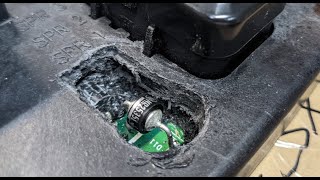
One of the leading causes of ECU/MPEM failure is water damage. If you open the main gray electrical box (usually in the front of the hull) and find standing water, heavy condensation, or corrosion on the terminals, the sensitive electronics inside have likely been compromised. The seal on this box can degrade over time, allowing moisture in.
Pro Tip: Many fault codes can point to a bad ECU/MPEM. Common codes include those related to sensor circuits being shorted to ground or power (e.g., P0107, P0112, P0122) or a general communication failure like P0600. However, a complete lack of communication with a diagnostic scanner is the most telling sign.
CRITICAL: ECU Programming and DESS Keys

This is the single most important thing to understand before buying or replacing a module. A new or used ECU/MPEM will NOT work until it is programmed to accept your DESS key(s). The module and the key are electronically 'married'.
The DESS key contains a unique electronic code. The ECU's memory is programmed to accept a list of specific codes. When you place the lanyard on the post, the post reads the key's code and sends it to the ECU for verification. If the code is on the approved list, the ECU enables the ignition and fuel systems.
How to Program a Replacement ECU
You cannot program this yourself without special tools. You have three main options:
- Sea-Doo Dealer: A dealer will use the official BRP Utility and Diagnostic Software (B.U.D.S.) to connect to your watercraft and program the replacement ECU to accept your existing keys or new keys. This usually requires bringing the entire watercraft to the dealership.
- Independent Shop: Many independent PWC repair shops have invested in B.U.D.S. or professional-level aftermarket tools (like Candoo Pro) and can perform the same programming service, often at a lower cost. 🎬 Watch: How to program a DESS key for your PWC
- Mail-In Service: Several companies offer mail-in programming. You ship your replacement ECU and your DESS key(s) to them, and they program the module and ship it back to you. This is an excellent option if you are performing the replacement yourself and don't have a local dealer. The cost for this service is typically around $80 plus shipping.
Buying a Used Sea-Doo ECU / MPEM
Given the high cost of new OEM modules, a quality used part is often the best choice. Here’s what to look for:
- Part Number Match: Always match the part number from your old ECU/MPEM to the replacement unit. While some numbers may supersede, an exact match is the safest bet. Note that the 2002 GTX 4-TEC used a unique early ECU that was often replaced under a service campaign.
- Freshwater Source: A module from a freshwater ski is always preferable. It will have less exposure to the corrosive effects of saltwater, which can creep into electrical boxes even on well-maintained craft.
- Inspect the Connectors: Look for clean, straight pins with no signs of green or white corrosion. Corroded pins indicate moisture damage and should be a deal-breaker.
- Budget for Programming: Remember that the cost of the used part is not the final cost. You MUST factor in the price of programming the module to your DESS key.
- Avoid Aftermarket: The consensus among Sea-Doo experts and owners is to avoid new aftermarket ECUs and MPEMs. They are known for high failure rates, causing running issues, or being dead on arrival. A used OEM part is considered a much more reliable option.
Known Issues & Recalls
While there are no formal NHTSA recalls for the ECU/MPEM on these models, several well-documented issues exist:
- 2002 GTX 4-TEC ECU: The first-year 4-TEC models used a 'transition ECU' that had DESS communication problems. BRP had an undocumented 'soft campaign' to replace these units whenever they came in for service. If you have a 2002 model, it may still have this problematic early ECU.
- Electrical Box Seal Failure: The rubber gasket for the main gray electrical box is a common failure point. It gets compressed or brittle over time, allowing water to seep in and destroy the expensive electronics inside. It's wise to replace this seal or apply a coat of silicone grease whenever you have the box open.
- Supercharger Ceramic Washers (2004-2007 RXP, RXT, GTX SC): This is not an ECU issue, but it is critical for anyone owning these models. The original superchargers used ceramic clutch washers that can shatter without warning, sending abrasive debris throughout the engine and causing catastrophic failure. These must be upgraded to steel washers as a preventative measure.
Cost of Replacement

| Part/Service | Estimated Cost | Notes |
|---|---|---|
| New OEM ECU/MPEM | $800 - $1500+ | Very expensive and may be difficult to find for older models. |
| Used OEM ECU/MPEM | $250 - $500 | The most common and cost-effective solution. Price varies by model and availability. |
| ECU/MPEM Repair Service | $150 - $400 | A good option if your module has a common, repairable fault like a bad diode. |
| DESS Key Programming | $80 - $200 | Required for any replacement ECU. Mail-in services are cheaper; dealer labor rates are higher. |
| Shop Labor for Replacement | $100 - $250 | The physical swap is relatively simple (1-2 hours of labor). The module is usually in the front electrical box. |
Frequently Asked Questions (FAQ)
Do I have to take my whole jet ski to the dealer to program a new key?
No. If you are only programming a key to your existing, working ECU, a dealer will need the whole ski. However, if you are replacing the ECU, you can use a mail-in service. You send them the replacement ECU and your key, and they will program it and send it back, saving you a trip to the dealer.
Can I bypass the DESS security system?
While some aftermarket tuners claim to be able to disable the DESS system in the ECU's software, it is not a standard procedure and is generally not recommended. The DESS system is a very effective anti-theft device. Fixing the system correctly is the best path.
My electrical box was full of water. What should I do?
First, disconnect the battery. Remove the water and thoroughly dry everything with compressed air. Remove the MPEM and all connectors. Clean every single electrical pin and connector with contact cleaner and a small brush to remove any corrosion. Replace the electrical box seal. Before buying a new ECU/MPEM, check all fuses and let the components dry completely for a few days. You might get lucky, but often the water damage is permanent.
What's the difference between an ECU and an MPEM?
On these 4-stroke models, think of the MPEM as the power supply and fuse panel, and the ECU as the computer. The MPEM takes battery power and distributes it, while the ECU does the thinking (ignition, fuel, DESS verification). They work together as a system, and sometimes a failure in one can seem like a failure in the other.
Helpful Videos

Technical Specifications
OEM Part Numbers: Note: ECU/MPEM part numbers vary significantly by year and model. It is critical to match the number from your specific unit. The part numbers 278001581 and 278001969, sometimes misidentified as the computer, are actually for the Regulator/Rectifier.
System manages the Digitally Encoded Security System (DESS), ignition timing, fuel injection mapping, and onboard diagnostics (P-codes).

The information in this article is provided for general reference and educational purposes only. Vehicle specifications, procedures, and part compatibility can vary by production date, trim level, and region. Always consult your vehicle's factory service manual and verify part numbers before purchasing or performing repairs. Safety-critical components such as airbags, seat belts, and braking systems should be installed by a qualified professional.
- Sea-Doo 3D:
- Sea-Doo Challenger:
- Sea-Doo GTI:
- Sea-Doo GTX:
- Sea-Doo RXP:
- Sea-Doo RXT:
- Sea-Doo Speedster:
- 🎬 Helpful Videos
- Symptoms of a Failing Sea-Doo ECU or MPEM
- No Beep, No Crank, No Start
- Engine Cranks But Won't Start (No Spark)
- DESS Key Not Recognized
- Repeatedly Blowing Fuses
- Water Intrusion in the Electrical Box
- CRITICAL: ECU Programming and DESS Keys
- How to Program a Replacement ECU
- Buying a Used Sea-Doo ECU / MPEM
- Known Issues & Recalls
- Cost of Replacement
- Frequently Asked Questions (FAQ)
- 🎟️ Get 5% Off