

2001-2005 Montana, Silhouette & Venture BCM: Solving Electrical Gremlins and No-Start Issues
This guide explains common Body Control Module failures in the Pontiac Montana, Oldsmobile Silhouette, and Chevrolet Venture, and details the critical programming steps required for replacement.
- A replacement BCM MUST be a new or remanufactured unit; used BCMs from other vehicles will not work as they are VIN-locked.
- Programming is required. A shop must program the vehicle's options (RPO codes), but the critical 30-minute anti-theft relearn can be done at home without tools.
- Symptoms of a bad BCM are very similar to those of a corroded electrical connector (C305) behind the driver's seat, a known issue in these vans caused by water leaks.
- Common failure symptoms include erratic electronics, a dead battery, a no-start condition with the security light on, and multiple dashboard warning lights.
Symptoms of a Failing Body Control Module


A failing BCM in a Pontiac Montana, Chevrolet Venture, or Oldsmobile Silhouette often creates a host of confusing electrical problems. Because the BCM controls so many different systems, you may notice several issues appearing at the same time.
- Erratic Electrical Functions: This is the most common sign. You may experience power windows that don't work, door locks that cycle on their own, interior lights that won't turn off, or a radio that behaves strangely. A forum user with a 2003 Pontiac Montana reported that the keyless entry, power locks, power windows, interior lights, and radio shut-off delay all stopped working at once, pointing directly to a BCM failure.
- Parasitic Battery Drain: If your battery repeatedly dies overnight for no apparent reason, the BCM may be at fault. A malfunctioning module can fail to shut down certain circuits, causing a continuous power draw that drains the battery.
- No-Start or Intermittent Start: The BCM is a key part of the GM Passlock anti-theft system. If the BCM fails, it cannot communicate with the Powertrain Control Module (PCM) to authorize the engine to run. The engine may crank but will not start, and you will likely see a "Security" or "Theft" light on the dashboard.
- Dashboard Warning Lights: A failing BCM can cause multiple, unrelated warning lights to illuminate on the instrument cluster, sometimes referred to as the "Christmas tree" effect. This happens when communication between the BCM and other modules is lost. The most common diagnostic trouble code (DTC) associated with this is U0140 (Lost Communication With Body Control Module).
- Non-Functioning Key Fobs: If your remote keyless entry stops working and you've already replaced the fob's battery, the receiver inside the BCM may have failed.
Pro Tip: Before condemning the BCM, always check the basics first. Ensure your vehicle's battery is fully charged and the alternator is working correctly. Inspect all related fuses and check for clean, tight ground wire connections, as poor power or ground can mimic BCM failure symptoms.
Known Issues, TSBs, and Recalls

While there are no direct recalls for the Body Control Module itself on these vans, there are related service bulletins that point to common electrical issues that can be misdiagnosed as BCM failure.
- Technical Service Bulletin 01-08-45-005E: This is a critical bulletin for the 2000-2005 Venture, Montana, and 2000-2004 Silhouette. It addresses a wide range of electrical issues, including no-start conditions, an inoperative fuel gauge, and various warning lights (ABS, TCS, Check Engine). The cause is often water leaking into the cabin and corroding a major electrical connector (C305) located on the floor behind the driver's seat. This corrosion can interrupt communication between modules, causing symptoms identical to a bad BCM. It is essential to inspect this connector for water damage or spread terminals before replacing the BCM. 🎬 See how water damage causes these specific Chevy Venture electrical issues.
- Water Leaks: Numerous owner complaints filed with the National Highway Traffic Safety Administration (NHTSA) mention water accumulating on the driver's side floorboard. This known issue directly contributes to the corrosion problem described in the TSB above and is a leading cause of electrical problems in these vans.
Buying a Used Body Control Module
Warning: Do NOT purchase a used Body Control Module from a junkyard or salvage vehicle expecting it to be a simple plug-and-play replacement. It will not work correctly.
A BCM from another vehicle is programmed with that vehicle's specific Vehicle Identification Number (VIN) and option content (known as RPO codes). Installing a used BCM in your van will, at best, cause features like power locks or the sunroof to not work. At worst, it will trigger the anti-theft system and prevent your vehicle from starting. This VIN-locking cannot be overwritten by a dealer or independent shop.
The only viable options for replacement are:
- New OEM Module: A brand-new module from GM that has never been programmed.
- Remanufactured Module: A professionally rebuilt and cleared module from a reputable supplier like Dorman or Cardone.
- Cloning Service: A service where you send your original BCM and a replacement (new or remanufactured) to a company that can transfer the programming data from the old module to the new one, making it plug-and-play.
Replacement and Programming Guide

Replacing the BCM in a 2001-2005 Montana, Venture, or Silhouette is a two-part process: physical installation and electronic programming.
1. BCM Location and Physical Replacement
The BCM is located under the dashboard, typically on the driver's side near the steering column or behind the center console's storage cubby. Access may require removing the lower dash panel or the center trim bezel around the radio and climate controls.
- Disconnect the negative battery terminal.
- Remove the necessary interior trim panels to access the BCM.
- The BCM has several large, multi-pin connectors, often color-coded. Carefully unplug each connector. They have locking tabs that must be depressed.
- Remove the screws or clips holding the BCM in its bracket and remove it from the vehicle. 🎬 Watch this step-by-step walkthrough of the BCM replacement process.
- Install the new or remanufactured BCM and reconnect all electrical connectors.
- Reassemble the dashboard and reconnect the battery.
2. Programming and Security Relearn
After physical installation, the BCM must be programmed. This is not optional.
Important: A new BCM must be programmed with your vehicle's specific options (RPO codes) using a GM Tech 2 scan tool or equivalent J2534 device with a subscription to GM's Service Programming System (SPS). This step is required for all features to function correctly and is best performed by a dealer or qualified independent shop. However, after professional programming, you can perform the critical anti-theft relearn yourself.
DIY 30-Minute Security Relearn Procedure (Passlock)
If the BCM has been replaced, the vehicle will not start until this procedure is completed. This synchronizes the new BCM with your vehicle's Powertrain Control Module (PCM) and ignition key. No tools are required.
- Turn the ignition key to the ON position (do not try to start the engine). The "Security" light on the dash will be illuminated.
- Leave the key in the ON position for approximately 10 minutes, or until the "Security" light turns off.
- Once the light turns off, turn the ignition key to OFF and wait for 10 seconds.
- Repeat steps 1-3 two more times, for a total of three 10-minute cycles.
- After the third cycle is complete and the key has been turned to OFF, the vehicle has learned the new BCM. You should now be able to start the engine.
Cost of Replacing the BCM
The total cost can vary significantly based on the parts and labor involved.
| Item | Estimated Cost | Notes |
|---|---|---|
| New OEM (GM) BCM | $250 - $400 | Part only. Must be programmed. Prices for new parts are becoming rare as they are discontinued. |
| Remanufactured BCM | $150 - $250 | From brands like Dorman. Often requires a core charge until you return your old part. Must be programmed. |
| Used OEM BCM | $25 - $75 | Not recommended. Cannot be reprogrammed for your vehicle and will cause issues. |
| Shop Labor (Installation) | $100 - $200 | Typically 1-1.5 hours of labor to physically access and swap the module. |
| Shop Labor (Programming) | $100 - $200 | Dealer or shop fee to program the RPO codes and options into the new module. A subscription to GM's programming service for a single VIN costs around $45. |
Frequently Asked Questions (FAQ)
Can I drive my van with a bad BCM?
Maybe. If the only symptoms are malfunctioning accessories like power windows or the radio, it is generally safe to drive. However, if the BCM is causing the battery to drain, the headlights to work erratically, or preventing the engine from starting, the vehicle is unreliable and potentially unsafe to drive.
Will a BCM from a junkyard work in my Montana/Venture/Silhouette?
No. A used BCM is locked to the VIN of the vehicle it came from. It cannot be reprogrammed and will cause the anti-theft system to activate, preventing your van from starting. You must use a new or professionally remanufactured module.
Does a new BCM have to be programmed by the dealer?
Yes and no. The initial programming to load your vehicle's specific options (RPO codes) must be done by a dealer or an independent shop with a GM Tech 2 or equivalent scan tool and a software subscription. However, the final, critical step to make the car start (the 30-minute security relearn) can be done by anyone without any special tools.
My mechanic says the problem is a bad ground, not the BCM. Is that possible?
Yes, absolutely. These vans are known for electrical problems caused by corroded wiring, particularly a large connector (C305) located under the carpet behind the driver's seat that is prone to water damage. A bad ground or corroded connector can cause the exact same symptoms as a failed BCM. This possibility should always be investigated before replacing the expensive module.
Helpful Videos

Technical Specifications
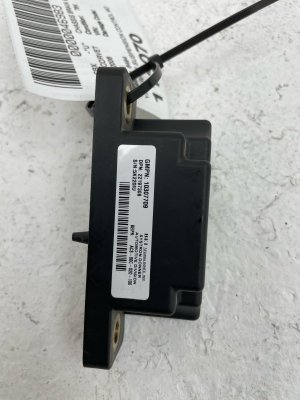
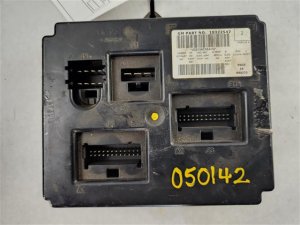
OEM Part Numbers: 10312199 10333593 10417522 12207499
The BCM for these vehicles manages the GM Passlock anti-theft system and requires programming of vehicle-specific RPO codes upon replacement.
We Have This Part in Stock

The information in this article is provided for general reference and educational purposes only. Vehicle specifications, procedures, and part compatibility can vary by production date, trim level, and region. Always consult your vehicle's factory service manual and verify part numbers before purchasing or performing repairs. Safety-critical components such as airbags, seat belts, and braking systems should be installed by a qualified professional.
- Pontiac Montana:
- Oldsmobile Silhouette:
- Chevrolet Venture:
- 🎬 Helpful Videos
- 🛍️ Shop This Part
- Symptoms of a Failing Body Control Module
- Known Issues, TSBs, and Recalls
- Buying a Used Body Control Module
- Replacement and Programming Guide
- 1. BCM Location and Physical Replacement
- 2. Programming and Security Relearn
- Cost of Replacing the BCM
- Frequently Asked Questions (FAQ)
- 🎟️ Get 5% Off