

2004-2005 Nissan Quest BCM: Solving Electrical Gremlins and Programming Puzzles
This guide covers the common failures, critical programming steps, and how to choose the right used Body Control Module for your 2004-2005 Nissan Quest.
- A replacement BCM is NOT plug-and-play. It MUST be programmed by a dealer or qualified locksmith, or the engine will not start.
- The correct BCM part numbers start with '284B1'. Part numbers starting with '98820' are for the Air Bag Control Module, not the BCM.
- You cannot drive the vehicle to a shop after installing a new BCM; it must be programmed on-site or cloned via a mail-in service beforehand.
- Symptoms often include multiple, random electrical failures in the cabin, a dead battery, or a no-start condition related to the anti-theft system.
Symptoms of a Failing 2004-2005 Nissan Quest BCM

A failing Body Control Module can create some of the most confusing and unpredictable electrical problems in your van. Because the BCM controls so many different systems, you may experience one or several of these issues at the same time. Always check fuses, the battery, and ground connections first, as simple electrical issues can sometimes mimic BCM failure.
- Erratic Electronics: Lights (interior or exterior) may flicker, stay on, or not work at all. Power windows, door locks, and the radio may behave erratically or stop responding completely.
- Key Fob and Starting Issues: The vehicle may not recognize the key fob for locking/unlocking the doors. In a more serious failure, the BCM can prevent the engine from cranking or starting because it's a critical part of the Nissan Anti-Theft System (NATS).
- Parasitic Battery Drain: A faulty BCM might not go to "sleep" properly when the van is turned off. This can cause a slow but steady drain on the battery, leaving you with a dead battery overnight or after a few days.
- False Dashboard Warnings: The BCM can send incorrect signals to the instrument cluster, causing random warning lights to appear.
- Power Sliding Door Problems: While there is a specific recall for the door actuators, the BCM is involved in controlling the power sliding doors. A BCM failure can contribute to doors not opening or closing correctly.
- Communication Fault Codes: A scan tool may show Diagnostic Trouble Codes (DTCs) starting with "U," which indicate a communication problem between modules. The most common code for a BCM failure is U0140 (Lost Communication with Body Control Module). You may also see a general CAN communication code like U1000.
Warning: The symptoms of a bad BCM can sometimes overlap with a failing Intelligent Power Distribution Module (IPDM). The IPDM is located in the engine bay and controls core engine functions like the fuel pump and cooling fans. A BCM failure usually affects cabin accessories and security, while an IPDM failure is more likely to cause a "crank, no start" condition or stalling.
Known Issues, Recalls, and Technical Service Bulletins (TSBs)

While there are no specific recalls for the BCM itself, the 2004-2005 Quest has several known electrical issues and recalls that are important for diagnosis.
- NHTSA Recall #04V186000 (Power Sliding Door Actuator): On some 2004 Quest models, the power sliding door actuator could bind in cold temperatures. This could prevent the door from latching properly, creating a risk of the door sliding open while driving. The fix was a free replacement of the door actuator(s) by Nissan dealers.
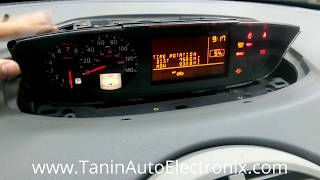
- Common Instrument Cluster Failure: Many 2004-2006 Quest owners experience problems with the main instrument cluster, including a pixelated, distorted, or completely blank LCD screen for the odometer, fuel, and temperature gauges. This is typically an internal failure of the cluster itself, not the BCM, and many companies offer a mail-in repair service for the cluster. 🎬 Watch: This walkthrough shows you how to remove the instrument cluster for repair.
- Water Intrusion Risk: On the 2004-2007 Quest, the Engine Control Module (ECM) is located in an area where clogged cowl drains can lead to water damage. While this specifically mentions the ECM, the BCM is located in the driver's footwell and can also be susceptible to damage if water finds its way into the cabin. Always check for signs of moisture or corrosion when inspecting a BCM.
Buying a Used Body Control Module

Purchasing a used BCM is a cost-effective solution, but careful matching is essential. Due to the complex programming involved, a used OEM module is almost always a better choice than a new aftermarket unit, which may have firmware or compatibility issues.
Part Number Warning: Do NOT Confuse the BCM with the Air Bag Module. The original information for this guide listed part numbers starting with 98820 (e.g., 98820-5Z100). These are NOT Body Control Modules; they are for the Air Bag Control Module. Installing an air bag module in place of a BCM will not work. The correct BCM part numbers for the 2004-2005 Quest typically start with 284B1. A common part number is 284B1-5Z000.
How to Ensure Compatibility:
- Match the Part Number Exactly: The most critical step is to remove your original BCM and match the OEM part number printed on its label. While some modules may look identical, internal hardware and software can differ based on your van's specific options (e.g., power sliding doors, sunroof, security system). Do not rely on visual appearance alone.
- Inspect for Damage: When buying a used module, carefully inspect the case for any signs of being opened and check the connector pins for corrosion, which indicates potential water damage. A module with corroded pins should be avoided.
- Source from a Reputable Seller: Purchase from a seller who offers a warranty and has good reviews. This provides protection in case you receive a defective part.
Programming and Installation

Replacing the BCM is not a simple plug-and-play job. Programming is mandatory.
Programming Requirements
A replacement BCM, whether new or used, MUST be programmed to your vehicle's Nissan Anti-Theft System (NATS). If you install an unprogrammed module, the immobilizer will activate, and your engine will not start. This makes the vehicle undrivable until it is correctly programmed.
You have two main options for programming:
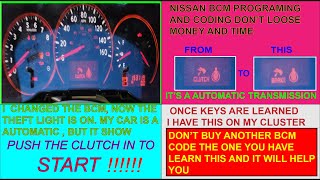
- On-Vehicle Programming: After the new BCM is installed, a Nissan dealer or an automotive locksmith with a professional-grade scan tool (like Nissan's CONSULT or an advanced Autel/Launch tool) must perform a BCM replacement procedure. This process registers the new module to the vehicle and reprograms all of your existing keys to it. 🎬 Watch: See how a technician codes the BCM and programs the keys.
- Off-Vehicle Cloning (Mail-In Service): Some specialized services can clone the data from your original BCM to the replacement unit. This makes the replacement BCM plug-and-play, as it arrives with all your vehicle's key and configuration data already loaded. This is an excellent option for DIYers, as it avoids the need for a tow or a mobile locksmith visit after installation.
Pro Tip: You cannot install a replacement BCM and then drive the van to a shop for programming. The engine will not start. You must either have the vehicle towed, have a mobile locksmith or technician come to you, or use a mail-in cloning service before you begin the installation.
Location and Replacement Steps
The BCM in the 2004-2005 Nissan Quest is located in the driver's side footwell, behind a small trim panel to the left of the pedals. 🎬 Watch: See exactly where the BCM is located and how to access it. Replacement is physically straightforward but requires care.
- Disconnect the negative terminal of the battery.
- Remove the trim panel in the driver's footwell to access the module.
- Carefully disconnect the electrical connectors from the BCM. There are typically release tabs that must be pressed.
- Unbolt or unclip the module from its mounting bracket.
- Install the replacement BCM, reconnect the electrical harnesses, and reinstall the trim panel.
- Reconnect the battery.
- Proceed with the mandatory programming procedure.
Cost to Replace a 2004-2005 Nissan Quest BCM
The total cost will vary depending on the price of the part and local labor rates.
| Part Type | Estimated Cost |
|---|---|
| New OEM | $600 - $1,000+ (Note: Part #284B1-5Z000 is often listed as discontinued, so availability is very limited) |
| New Aftermarket | Not commonly available. Quality and compatibility can be a concern. |
| Used OEM | $75 - $250 |
| Remanufactured | $150 - $400 |
| Shop Labor (Replacement & Programming) | $200 - $450 (Typically 2-3 hours of labor) |
Frequently Asked Questions (FAQ)
Do I absolutely have to program a replacement BCM?
Yes. There is no way to bypass this step. The BCM is a core part of the Nissan Anti-Theft System (NATS). An unprogrammed BCM will immobilize the engine, and the van will not start.
Can a locksmith program the BCM, or do I have to go to the dealer?
Many professional automotive locksmiths have the advanced scan tools required to program a Nissan BCM. It is often more cost-effective than going to a dealership, but you should confirm they have the capability for your specific vehicle before hiring them.
Will my old keys and remotes work with the new BCM?
No, not automatically. During the programming process for the new BCM, all existing keys must be present so they can be re-registered to the new module. Any keys not present during this procedure will no longer start the vehicle.
What is the difference between a BCM and an ECM?
The Body Control Module (BCM) manages body and cabin electronics like lights, windows, locks, and the security system. The Engine Control Module (ECM) is the main computer for the engine, controlling fuel, ignition, and emissions. They are two separate computers with different jobs.
My instrument cluster LCD is blank. Is that the BCM?
Probably not. A blank or pixelated odometer/fuel display is a very common independent failure of the instrument cluster itself on 2004-2006 Quests. This usually requires sending the cluster out for a specialized repair, not replacing the BCM.
Helpful Videos


Technical Specifications
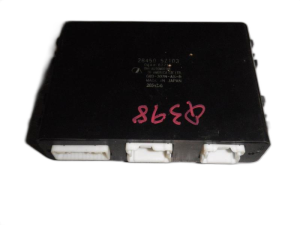
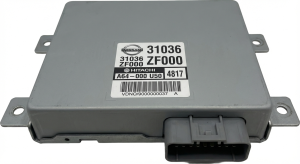
OEM Part Numbers: 284B1-5Z000
Location: Driver's side dashboard/footwell area. Controls: Power windows, power locks, interior/exterior lighting, keyless entry, Nissan Anti-Theft System (NATS).
We Have This Part in Stock



The information in this article is provided for general reference and educational purposes only. Vehicle specifications, procedures, and part compatibility can vary by production date, trim level, and region. Always consult your vehicle's factory service manual and verify part numbers before purchasing or performing repairs. Safety-critical components such as airbags, seat belts, and braking systems should be installed by a qualified professional.
- Nissan Quest:
- 🎬 Helpful Videos
- 🛍️ Shop This Part
- Symptoms of a Failing 2004-2005 Nissan Quest BCM
- Known Issues, Recalls, and Technical Service Bulletins (TSBs)
- Buying a Used Body Control Module
- How to Ensure Compatibility:
- Programming and Installation
- Programming Requirements
- Location and Replacement Steps
- Cost to Replace a 2004-2005 Nissan Quest BCM
- Frequently Asked Questions (FAQ)
- 🎟️ Get 5% Off