

Mitsubishi ETACS Failure (2004-2010): Solving Electrical Problems in Outlander, Lancer, Eclipse, Galant & Endeavor
This in-depth guide explains the common failures, symptoms, and mandatory programming requirements for the Body Control Module (ETACS-ECU) in these popular Mitsubishi models.
- Programming is mandatory. A replacement ETACS-ECU (BCM) from any source must be programmed to your car's VIN with a dealer-level MUT-III tool.
- Failure symptoms are typically multiple, random electrical issues like failing lights, wipers, windows, and parasitic battery drain.
- This module is located inside the cabin, usually integrated with the driver's side fuse panel, not in the engine bay.
- When buying used, you must match the part number exactly and have a confirmed plan for who will program it before you purchase.
Symptoms of a Failing ETACS-ECU

A bad ETACS module often creates bizarre electrical problems that can be difficult to diagnose. Because it controls so many different systems, symptoms can appear random and intermittent.
- Multiple Unrelated Electrical Failures: This is the most common sign. For example, your power windows, radio, and interior lights might stop working all at once, while the engine runs fine.
- Headlight, Taillight, or Wiper Failure: Critical systems like exterior lights and windshield wipers may stop working completely or work erratically. This specific issue prompted a safety campaign for some models.
- Parasitic Battery Drain: A classic symptom is a battery that dies overnight or after a few days of sitting. This happens when the ETACS-ECU fails to properly shut down a circuit, causing a continuous power draw. This is often traced to the IOD (Ignition-Off Draw) fuse.
- No-Start or Stalling: The ETACS-ECU is linked to the vehicle's immobilizer system. If it fails or a replacement is installed without programming, it won't recognize the key's transponder chip, preventing the engine from starting or causing it to stall immediately.
- Warning Lights on the Dash: You may see various warning lights, and a scan tool will often show communication error codes, typically starting with a "U," such as U0140 (Lost Communication with Body Control Module) or U1417 (VIN Mismatch).
- Flickering Interior Lights: A known issue, addressed by a Technical Service Bulletin (TSB), involves dome lights flickering due to outdated software in the ETACS module.
Known Issues, Recalls, and Technical Service Bulletins (TSBs)
Several documented issues affect the ETACS-ECU in this family of vehicles.
Safety Recall: Loss of Lights and Wipers (2009-2010 Models)
In Canada, a safety recall was issued for certain 2009-2010 Lancer and 2009-2010 Outlander models. A manufacturing defect in the ETACS-ECU could cause high electrical resistance, leading to a sudden loss of headlights, taillights, and/or windshield wipers, increasing the risk of a crash. Owners of these specific models should verify if this recall was performed.
TSB for Flickering Dome Lights: Mitsubishi issued TSB-18-54-003 for a wide range of models, including the 2007-2013 Outlander and 2008-2017 Lancer, to address flickering dome lights. The fix is not a part replacement but a software update for the ETACS-ECU, performed by a dealer. This highlights that the module's software is as important as its hardware.
Programming and Immobilizer: The Most Critical Step

You cannot simply swap this module. A replacement ETACS-ECU, whether brand new or used, must be professionally programmed to your specific vehicle. Failure to do so will result in a no-start condition and numerous error codes.
- VIN and Variant Coding: The replacement module must have your car's Vehicle Identification Number (VIN) written to it. It also requires "variant coding," which is a data file that tells the module which options your specific car has (e.g., sunroof, automatic climate control, etc.).
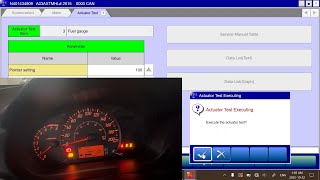
- Specialized Tools Required: This programming can only be done with a Mitsubishi-specific diagnostic tool called the MUT-III 🎬 See this complete MUT-III software setup and walkthrough (Multi-Use Tester III). Most independent shops and locksmiths do not have this expensive, dealer-level tool.
- The Correct Procedure: A technician uses the MUT-III to copy the VIN, variant coding, and customization settings from your old, failing module *before* removing it. They then install the replacement module and write this saved data to it. If the old module is too damaged to be read, the dealer may be able to retrieve the correct coding file from Mitsubishi's database using your VIN.
- Immobilizer Link: The ETACS is a key part of the anti-theft system. If the VIN in the ETACS doesn't match the VIN in the Engine Control Module (ECM) and the key, the car will not start.
Buying a Used Body Control Module (ETACS-ECU)

A used OEM module can be a cost-effective solution, but you must follow these rules to avoid buying a paperweight.
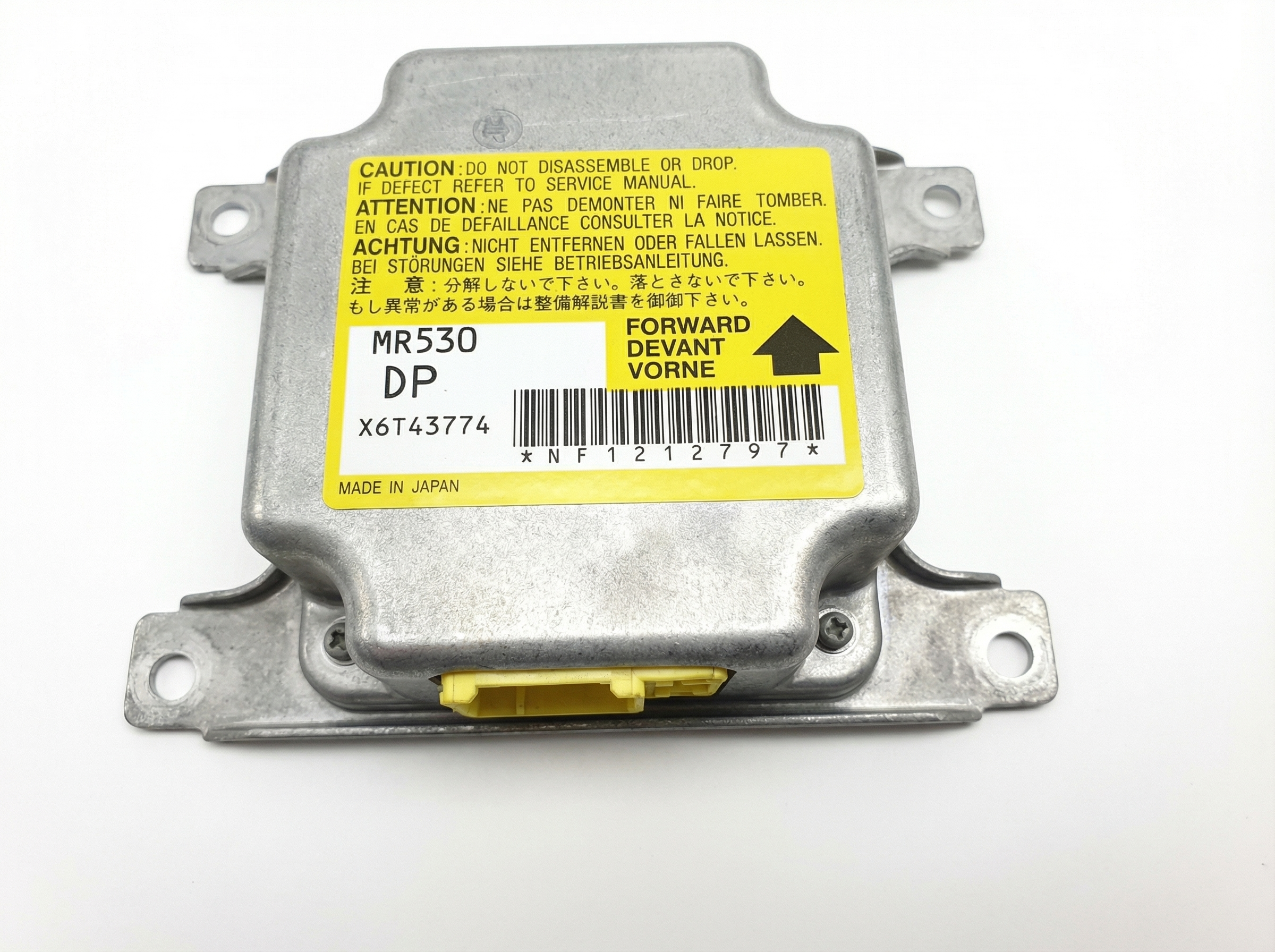
- Match the Part Number Exactly: The part number on the replacement module must be identical to your original. Part numbers like MR587807 or MR563000 are common, but there are many variations. Even a single digit difference can mean it won't work. Do not trust compatibility guides alone; physically check your old part.
- Inspect for Damage: When buying a used part, look for any signs of corrosion on the pins or water damage on the case. A forum user reported buying a used unit that was full of corrosion and sparked when installed, causing further damage to other components.
- Have a Programming Plan: Before you buy a used module, confirm that you have a local Mitsubishi dealer or a specialized import shop that is willing and able to program a customer-supplied used part. Some dealers will only program new parts they sell. Get a quote for programming labor first.
- Understand the Risk: A used module from another vehicle will immediately trigger the immobilizer and prevent your car from starting until it is correctly programmed.
Vehicle-Specific Information and Location

While this ETACS-ECU is shared across several platforms, there can be minor differences.
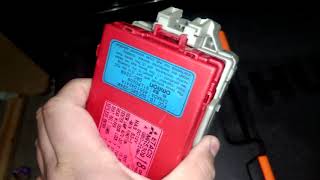
- Location: The ETACS-ECU is not the fuse box in the engine bay. It is located inside the cabin, typically integrated with the interior fuse panel on the driver's side, under the dashboard to the left of the 🎬 Watch: Finding and identifying the Outlander ETACS unit steering column. Access requires removing lower dash panels.
- 2005-2006 Mitsubishi Outlander: Subject to the dome light TSB. Shares the core electrical architecture with the other listed vehicles.
- 2006-2007 Mitsubishi Lancer: This guide does not apply to the Lancer Evolution trim, which uses a different system. Subject to the dome light TSB and the 2009-2010 model year recall.
- 2006-2008 Mitsubishi Eclipse: The distinction between the engine bay fuse box (Front-ECU) and the interior ETACS-ECU is well-documented for this model. The ETACS is the programmable body computer.
- 2004-2010 Mitsubishi Galant: Numerous used modules are available for this model, but programming is always required.
- 2006-2008 Mitsubishi Endeavor: Shares the same fundamental electrical system. While some data points to PCM software updates, the ETACS operates on similar principles and is prone to the same failures.
Cost to Replace the ETACS-ECU
The cost can vary widely based on the part source and labor for programming.
| Item | Estimated Cost | Notes |
|---|---|---|
| New OEM Part | $550 - $1,100 | Sourced from a Mitsubishi dealer. |
| Used OEM Part | $50 - $250 | Sourced from salvage yards or online retailers. |
| Remanufactured Part | $150 - $400 | A rebuilt original unit, can be a good compromise. |
| Shop Labor (Physical Swap) | $100 - $200 | Typically 1-1.5 hours to access and replace the module. |
| Programming Labor | $150 - $300 | This is a separate, mandatory cost. A dealer may charge 1-2 hours of labor for programming. |
| Total Estimated Cost | $300 - $1,600 | The final cost depends heavily on using a new vs. used part and local labor rates for programming. |
Frequently Asked Questions (FAQ)
Do I really have to program a replacement ETACS module?
Yes, absolutely. It is not optional. The module is tied to your car's VIN and immobilizer system. Without programming, your car will not start, and many electrical features will not work.
What's the difference between the ETACS and the fuse box in the engine bay?
The fuse box in the engine bay (sometimes called a Front-ECU) is primarily a power distribution center with fuses and relays for high-current items like the starter and cooling fans. The ETACS-ECU is the intelligent 'brain' located inside the car that controls body electronics, communicates with other modules, and requires programming.
Can a locksmith or my local mechanic program the ETACS?
It is unlikely. Programming the ETACS-ECU requires the dealer-level MUT-III scan tool and access to Mitsubishi's software. While a locksmith can often program new keys, they typically cannot perform the variant coding and VIN writing needed for the ETACS module itself. Always ask if they have a MUT-III tool specifically.
Why did my lights, wipers, and radio all fail at the same time?
This is a classic sign of an ETACS-ECU failure. Since the ETACS acts as a central command center for all these unrelated components, an internal failure can disrupt all of them simultaneously.
Helpful Videos


Technical Specifications
OEM Part Numbers: MR563000 MR587807
Also known as the ETACS-ECU (Electronic Time and Alarm Control System). Communicates with other vehicle modules via CAN bus. Controls lighting, wipers, security, keyless entry, and other body functions.
We Have This Part in Stock




The information in this article is provided for general reference and educational purposes only. Vehicle specifications, procedures, and part compatibility can vary by production date, trim level, and region. Always consult your vehicle's factory service manual and verify part numbers before purchasing or performing repairs. Safety-critical components such as airbags, seat belts, and braking systems should be installed by a qualified professional.
- Mitsubishi Outlander:
- Mitsubishi Lancer:
- Mitsubishi Eclipse:
- Mitsubishi Galant:
- Mitsubishi Endeavor:
- 🎬 Helpful Videos
- 🛍️ Shop This Part
- Symptoms of a Failing ETACS-ECU
- Known Issues, Recalls, and Technical Service Bulletins (TSBs)
- Programming and Immobilizer: The Most Critical Step
- Buying a Used Body Control Module (ETACS-ECU)
- Vehicle-Specific Information and Location
- Cost to Replace the ETACS-ECU
- Frequently Asked Questions (FAQ)
- 🎟️ Get 5% Off