

2006-2012 Mitsubishi Eclipse BCM: Solving Electrical Gremlins and Key Programming Mysteries
This guide explains common failures, costs, and the critical programming requirements for the Body Control Module in the 4th Generation Mitsubishi Eclipse.
- A replacement BCM MUST be programmed by a dealer or qualified shop to start the car; this is not a DIY job.
- This module fits COUPE models only and is not interchangeable with the Spyder (convertible).
- While the main module requires professional programming, you can (and must) reprogram the key fobs yourself using a simple procedure.
- Common failure symptoms include erratic electronics, a dead battery, and key fob issues. Always match the OEM part number (MN141170) when buying a used replacement.
Symptoms of a Failing Body Control Module


A faulty BCM can cause a wide range of confusing and seemingly unrelated electrical problems. Because it controls so many different systems, its failure can mimic other issues. The most common signs point to erratic electronic behavior.
- Inconsistent or Non-Working Electronics: Power windows that don't open, door locks that act on their own, interior dome lights that won't turn off, or headlights that flicker are all classic signs.
- Key Fob and Security System Problems: The keyless entry remote may stop working entirely, or the factory alarm might go off randomly.
- Parasitic Battery Drain: A common and frustrating symptom is a battery that dies overnight. A bad BCM can fail to shut down a circuit, causing a slow but steady drain on the battery even when the car is off. 🎬 Watch: How to perform a professional parasitic draw test.
- Dashboard Warning Lights: A failing BCM can cause various warning lights to illuminate on the instrument cluster, sometimes resembling a Christmas tree. You may also see a communication error code like U0140 (Lost Communication With Body Control Module) when the vehicle is scanned.
- No-Start Condition: In some cases, a complete BCM failure can affect the immobilizer system, preventing the car from recognizing the key and starting.
Compatibility Warning: This Body Control Module is for 2006-2012 Mitsubishi Eclipse COUPE models only. It is not compatible with convertible (Spyder) models, which use a different part.
Known Issues, Recalls, and TSBs
As of early 2026, there are no specific recalls or Technical Service Bulletins (TSBs) issued by Mitsubishi or the NHTSA for the Body Control Module itself in the 2006-2012 Eclipse. While recalls exist for this vehicle, they pertain to other components like the ABS hydraulic unit, fuel tank straps, and brake booster. Electrical issues related to the symptoms above are most likely caused by a component failure within the BCM rather than a widespread manufacturing defect.
Buying a Used Body Control Module
Purchasing a used OEM BCM is a cost-effective way to solve your Eclipse's electrical issues, but there are critical factors to consider. This is not a simple plug-and-play part.
- Verify the Part Number: The most important step is to match the part number from your original module exactly. The primary part number for the coupe is MN141170. Other numbers like 8637A3 may exist, so always pull your original module to verify before ordering.
- Inspect for Damage: When your used part arrives, inspect the housing for cracks and the connector pins for any signs of corrosion or damage. Water intrusion is a common killer of electronic modules.
- Understand the Programming Requirement: A used BCM cannot be installed and used immediately. It must be professionally programmed to your vehicle's VIN and synced with the engine computer and your keys. Failure to do this will almost certainly result in a no-start condition.
- Why Used OEM is a Good Choice: For a complex electronic part like this, a used original Mitsubishi part is often more reliable than a new, unbranded aftermarket alternative. You get the original factory quality and engineering at a fraction of the price of a new dealer part.
Pro Tip: Before condemning the BCM, always check the simple things first. Ensure your battery is fully charged and healthy, and inspect all related fuses in the interior and under-hood fuse boxes. A bad ground connection can also mimic BCM failure.
🎬 See this guide to locating all fuse and relay boxes.Programming and Immobilizer Requirements

This is the most important section for anyone replacing the BCM in a 4th generation Eclipse. There are two different programming procedures, and only one is DIY-friendly.
Key Fob (Remote) Programming - DIY Possible
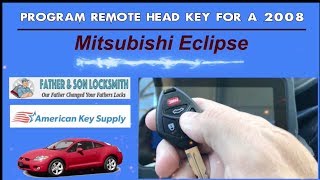
If you simply need to program or re-program the remote buttons for lock/unlock, you can do this yourself. This procedure is required after replacing the BCM to make your remotes work with the new module. You will need all of your remotes present.
- Locate the Data Link Connector (DLC), also known as the OBD-II port, under the driver's side dashboard.
- Create a jumper wire (a paperclip can work). Connect one end to terminal 1 and the other end to terminal 4 (ground) of the DLC.
- With the key out of the ignition, press the hazard light switch six times within 10 seconds.
- The doors should lock and unlock to confirm the car is in programming mode.
- On the first remote, press the LOCK button three times. The doors will cycle again to confirm it has been programmed.
- Repeat the previous step for any additional remotes within one minute.
- Remove the jumper wire to exit programming mode. Test all remotes.
BCM & Immobilizer Programming - Professional Required
A replacement BCM must be electronically synced to your car to start the engine. The BCM, Engine Control Module (ECM), and the transponder chips in your keys are all part of the vehicle's immobilizer (anti-theft) system. When you install a used BCM, it does not recognize your existing keys, and the car will not start.
This is not a DIY procedure. You must take the vehicle to a Mitsubishi dealership or a well-equipped independent auto repair shop or locksmith. They will use a specialized scan tool (like the dealer's MUT-III tool) to register the new BCM to the car's VIN and reprogram your existing keys 🎬 Watch: How a locksmith programs keys using a scan tool. to the new module. Some specialized services may offer to "clone" your original BCM's data to the replacement unit, which could make it plug-and-play.
Cost Comparison
| Part Type | Estimated Cost |
|---|---|
| New OEM (Dealer) | $370 - $550 |
| New Aftermarket | Not commonly available |
| Used OEM | $50 - $150 |
| Remanufactured | Not commonly available; repair services vary |
| Shop Labor (Physical Replacement) | $100 - $200 (1-2 hours) |
| Shop Labor (Programming) | $75 - $150 |
Frequently Asked Questions (FAQ)
Where is the BCM located on a 2006-2012 Mitsubishi Eclipse?
The Body Control Module is typically located inside the cabin, under the dashboard. In most vehicles, it is found either behind the glove box or attached to the interior fuse panel on the driver's side. You may need to remove lower dash panels to access it.
Can I drive my Eclipse with a bad BCM?
You might be able to, but it's not recommended. While the engine may run, you could experience unpredictable behavior from lights, locks, and wipers. The biggest risks are the BCM causing a dead battery or a no-start condition, either of which could leave you stranded.
Do I have to go to the dealer for programming?
Not necessarily, but it's the safest bet. Many modern independent repair shops and automotive locksmiths have advanced diagnostic tools that can perform BCM programming on Mitsubishi vehicles. However, you must confirm they have this specific capability before having the work done.
Will replacing the BCM fix my key fob?
If the BCM is the source of the failure, then yes, a replacement will solve the problem, but only after it has been programmed. Once the new BCM is installed and programmed to the car's immobilizer, you will also need to perform the key fob programming procedure to sync your remotes to the new module.
Helpful Videos
Technical Specifications
OEM Part Numbers: MN141170 8637A3
Also known as the ETACS module. Controls various body electrical functions including lights, locks, windows, and keyless entry.
We Have This Part in Stock



The information in this article is provided for general reference and educational purposes only. Vehicle specifications, procedures, and part compatibility can vary by production date, trim level, and region. Always consult your vehicle's factory service manual and verify part numbers before purchasing or performing repairs. Safety-critical components such as airbags, seat belts, and braking systems should be installed by a qualified professional.
- Mitsubishi Eclipse:
- 🎬 Helpful Videos
- 🛍️ Shop This Part
- Symptoms of a Failing Body Control Module
- Known Issues, Recalls, and TSBs
- Buying a Used Body Control Module
- Programming and Immobilizer Requirements
- Key Fob (Remote) Programming - DIY Possible
- BCM & Immobilizer Programming - Professional Required
- Cost Comparison
- Frequently Asked Questions (FAQ)
- 🎟️ Get 5% Off