

2010 Mazda 3 Body Control Module: A Guide to Compatibility and Programming
This in-depth guide covers the critical compatibility details, mandatory programming, and common failure symptoms for the 2010 Mazda 3 Body Control Module.
- A replacement BCM for a 2010 Mazda 3 MUST be programmed by a dealer or specialist shop with Mazda-specific software; it is not plug-and-play.
- Compatibility is critical. The BCM must be from a 2010 model with an automatic transmission, standard key, and a production date on or before November 30, 2009.
- The OEM part number must be matched exactly. Key numbers are BBM367560C, BBM367560H, and BBM367560J.
- Common failure symptoms include multiple random electrical issues, parasitic battery drain, and no-start conditions due to the immobilizer link.
Symptoms of a Failing 2010 Mazda 3 BCM

A failing Body Control Module can create some of the most confusing electrical problems, as it controls many unrelated systems. Before suspecting the BCM, it's crucial to first test the vehicle's battery and charging system and inspect the main ground cables, as a weak battery or bad ground can mimic BCM failure symptoms.
- Widespread Electrical Malfunctions: The most common sign is several unrelated systems acting up at once. For example, the power windows, radio, and turn signals may fail simultaneously.
- Erratic Lighting: Headlights, taillights, or interior lights might flicker, stay on continuously, or fail to turn on at all.
- Power Lock and Key Fob Issues: The doors may lock or unlock on their own, or the keyless entry system may stop responding to the remote.
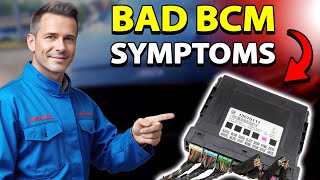
- Parasitic Battery Drain: A faulty BCM can fail to shut down a circuit when the car is off, causing the battery to drain overnight. If you repeatedly find your battery dead for no obvious reason, the BCM could be the culprit. 🎬 Watch: How to diagnose a bad BCM yourself
- Vehicle Won't Start: The BCM is linked to the immobilizer system. If it fails, it may not recognize the key, preventing the engine from starting. The security light on the dashboard may also stay illuminated.
- Random Warning Lights: A bad BCM can send faulty data across the vehicle's network, triggering warning lights for the ABS, traction control, or airbags, even if those systems are working correctly.
- Communication Error Codes: A professional scan tool may find "U" codes, such as U0140 (Lost Communication With Body Control Module), which strongly indicates a BCM or network problem.
Pro Tip: Water intrusion is a common cause of BCM failure. Leaks from the windshield cowl or A-pillar can drip onto the BCM/fuse box area. If you experience these symptoms, check for signs of moisture or corrosion on the BCM and its connectors.
Known Issues, TSBs, and Recalls

While there are no recalls specifically for the Body Control Module itself on the 2010 Mazda 3, there is a relevant electrical system recall.
- NHTSA Recall 09V126000 (Mazda Recall No. 5409D): This recall was issued for certain 2010 Mazda 3 vehicles produced between October 7, 2008, and April 10, 2009. The engine wiring harness could rub against the starter motor housing, causing a short circuit. This could lead to engine stalling, poor shift quality, or a no-start condition, with symptoms that could be mistaken for a BCM failure. The fix involved inspecting the harness and adding a protective clip.
- Mazda TSB 04-002-13: For 2010-2011 models, this technical service bulletin notes that the ABS warning light may illuminate in areas with high temperature and humidity, pointing to a potential issue with the ABS module communication that could be confused with a BCM network fault.
Buying a Used Body Control Module

Purchasing a used BCM is a cost-effective solution, but careful matching is essential to avoid compatibility problems. This is not a plug-and-play part.
Warning: A replacement BCM, whether new or used, MUST be programmed to your vehicle by a Mazda dealership or a qualified independent shop with the proper equipment. Failure to program the module will result in a no-start condition and malfunctioning electronics.
- Match the Part Number EXACTLY: This is the most critical step. Mazda used several BCM versions for the 2010 Mazda 3. You must match the OEM part number on your original module to the used one. Known compatible part numbers for this specific vehicle configuration are BBM367560C, BBM367560H, and BBM367560J. Other numbers like BBM4-67-560J exist for different vehicle options (e.g., without anti-theft). Do not rely on appearance alone.
- Verify Vehicle Specifications: This BCM fits 2010 Mazda 3 models with an Automatic Transmission, a standard key ignition (not push-button start), and a production date on or before November 30, 2009. Using a module from a car with a manual transmission or a later production date will cause compatibility issues.
- Inspect for Physical Damage: Before installation, carefully inspect the used BCM. Look for any signs of corrosion (white or green powder) on the connector pins, which indicates water damage and means the part should not be used. Also check for any burnt smells or scorch marks on the casing or board.
Programming and Installation

Physical installation of the BCM is straightforward for a DIY mechanic, but the electronic programming is not.
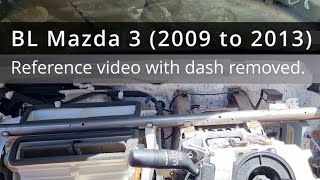
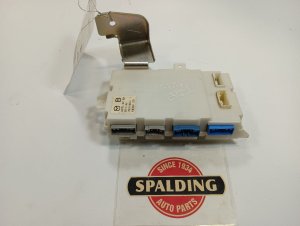
- Location: The BCM is integrated with the interior fuse panel, located on the driver's side of the cabin, behind the lower dashboard panel.
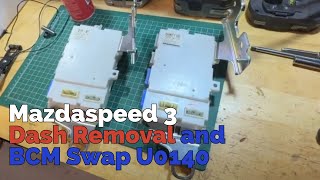
- Installation: The physical swap involves disconnecting the negative battery cable, removing several trim panels around the driver's side dash and console, unbolting the module, disconnecting the electrical connectors, 🎬 See this step-by-step BCM swap walkthrough and then installing the new unit in reverse order.
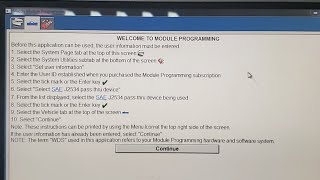
- Programming (Mandatory): After installation, the BCM must be programmed using the Mazda Modular Diagnostic System (M-MDS) or equivalent J2534 pass-thru tool. This process, called "configuration," syncs the module to the car's VIN, its specific features, and the immobilizer system. Without this step, the car will not start.
- Who Can Program It?: A Mazda dealership is the most reliable option. Some specialized independent auto repair shops or automotive locksmiths with advanced diagnostic tools and subscriptions to Mazda's software may also be able to perform the programming. This is not a task for a typical DIY mechanic or a standard code reader.
Cost Breakdown
The cost to replace a 2010 Mazda 3 BCM can vary significantly based on the source of the part and labor rates.
| Item | Estimated Cost |
|---|---|
| New OEM Part | $490 - $630 |
| Used OEM Part | $75 - $150 |
| Remanufactured Part | $150 - $400 |
| Shop Labor (Installation & Programming) | $200 - $450 (Typically 1.5-3 hours) |
| Total Estimated Cost (Used Part) | $275 - $600 |
| Total Estimated Cost (New Part) | $690 - $1,080 |
Frequently Asked Questions
Do I have to take my car to the Mazda dealer for a BCM replacement?
While the dealer is a guaranteed option, some high-end independent shops or automotive locksmiths who have the Mazda IDS software or a compatible J2534 programming tool can also program a new or used BCM. However, you must confirm they have this specific capability before scheduling the work. It cannot be done without specialized equipment.
What happens if I install a used BCM without programming it?
The vehicle will not start. The BCM is a core part of the immobilizer (anti-theft) system. When you install a BCM from another vehicle, it will not recognize your car's keys. Additionally, features like power windows, lights, and locks may not work correctly because the module isn't configured for your car's specific options.
Can I use a BCM from a car with a manual transmission or different options?
No. You must use a BCM with the exact same part number from a vehicle with the same key options and transmission type. Using an incompatible module will lead to system failures and prevent the car from starting or operating correctly.
Where is the BCM located on a 2010 Mazda 3?
The Body Control Module is integrated with the interior fuse box. It is located inside the car on the driver's side, behind the lower part of the dashboard. Some sources may refer to it as the Junction Box or Fuse Block.
Helpful Videos
Technical Specifications
OEM Part Numbers: BBM367560C BBM367560H BBM367560J
Integrated with the interior fuse box. Controls body electronics including lights, locks, windows, wipers, and immobilizer system. Requires programming via Mazda Modular Diagnostic System (M-MDS).
We Have This Part in Stock


The information in this article is provided for general reference and educational purposes only. Vehicle specifications, procedures, and part compatibility can vary by production date, trim level, and region. Always consult your vehicle's factory service manual and verify part numbers before purchasing or performing repairs. Safety-critical components such as airbags, seat belts, and braking systems should be installed by a qualified professional.
- Mazda 3: