

2010 Kia Soul Body Control Module: Decoding Part Numbers and Programming
This guide details the critical part number variations, failure symptoms, and mandatory programming requirements for the 2010 Kia Soul Body Control Module (BCM).
- A replacement BCM (new or used) MUST be professionally programmed to the vehicle's immobilizer system to start the car.
- You must match the OEM part number on your original BCM exactly. There are different modules for vehicles with and without keyless entry, and a specific part for models built before May 1, 2010.
- Symptoms are typically widespread electrical issues, like flickering lights, dead batteries, and multiple dashboard warning lights.
- A cluster of communication-related OBD-II codes (U, B, or C-prefix) is a strong indicator of BCM failure.
Symptoms of a Failing 2010 Kia Soul BCM

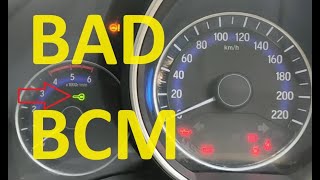
A failing Body Control Module often creates a wide range of confusing and seemingly unrelated electrical problems. Because the BCM controls so many different systems, symptoms can appear random. 🎬 See a breakdown of common bad BCM symptoms Before replacing the BCM, it's crucial to first check the battery, alternator, fuses, and ground connections, as these can cause similar issues.
- Erratic or Non-Functioning Lights: Headlights, taillights, or interior lights may flicker, stay on, or not turn on at all.
- Power Lock and Window Problems: Doors may lock or unlock themselves, or the power windows may stop responding intermittently or completely.
- Dashboard Warning Lights: Multiple warning lights on the instrument cluster may illuminate simultaneously, sometimes resembling a 'Christmas tree' effect. A 2010 Soul owner reported a loud popping sound from the radio, followed by the system going dead and random lights appearing on the dash.
- Keyless Entry and Security System Malfunctions: The remote key fob may stop working, and the factory alarm might trigger for no reason or fail to arm.
- Parasitic Battery Drain: A faulty BCM can fail to shut down a circuit, causing a slow drain that kills the battery overnight.
- Starting Issues: In some cases, a bad BCM can prevent the car from starting because of its connection to the anti-theft immobilizer system. The vehicle may crank but not start, or not crank at all.
Associated OBD-II Trouble Codes
A failing BCM often won't set a single, clear trouble code. Instead, diagnosis often involves looking for a pattern of communication failures. A professional scan tool may reveal multiple "lost communication" codes (U-prefix codes) or CAN timeout codes (B- or C-prefix codes), indicating that other modules in the car can no longer talk to the BCM. Common examples seen on a 2010 Soul include:
- C1611: CAN Timeout EMS (Engine Management System)
- C1612: CAN Timeout TCM (Transmission Control Module)
- B1644: CAN Timeout Airbag Control Unit
- A common generic code is U0140 (Lost Communication With Body Control Module).
Known Issues, Recalls, and Part Number Complexities

Critical Part Number and Production Date Information
The 2010 Kia Soul uses several different Body Control Modules depending on the vehicle's features and its manufacturing date. Matching the part number on your original BCM is absolutely essential for compatibility.
Warning: Part number 958002K000 specifically fits 2010 Kia Soul models built up to May 1, 2010. Installing this part in a later-build vehicle will likely result in system malfunctions.
For other 2010 models, compatibility depends on the vehicle's options:
- Part Number 95400-2K410: Typically used for models without factory keyless entry.
- Part Number 95400-2K920: Typically used for models with factory keyless entry and an illuminated ignition switch.
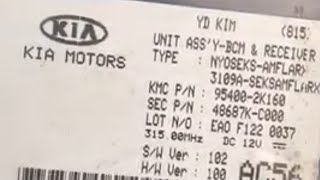
Always physically inspect your original BCM and match the part number exactly before ordering a replacement.
Related Recalls
While there are no direct recalls for the BCM itself on the 2010 Soul, two related electrical recalls are worth noting:
- NHTSA Recall 10V388000: Affects some 2010 Soul vehicles where wiring harnesses for illuminated speaker panels may have been improperly soldered. This could lead to an electrical short, creating a potential fire risk.
- NHTSA Recall 13V114000: A faulty stop lamp switch could cause numerous issues, including the brake lights not working, the cruise control not deactivating, or the ESC warning light illuminating. These symptoms could be mistaken for a BCM problem. 🎬 Watch: Top 5 common problems for first generation Kia Souls
Buying a Used Body Control Module

Given the high cost of a new OEM module, a used BCM is a very popular and cost-effective choice. However, there are critical steps you must follow to ensure a successful repair.
- Match the Part Number Exactly: This is the most important rule. Do not rely on a seller's fitment guide alone. You must remove your original BCM and find the OEM part number printed on its label. A mismatched part number will not work correctly, even if it looks identical.
- Physical Inspection: When you receive the used module, inspect it for any signs of physical damage, especially corrosion on the pins or water marks on the case. Water intrusion is a common cause of BCM failure.
- Factor in Programming Costs: A used BCM is not a plug-and-play part. It must be professionally programmed to your vehicle's VIN and security system. Call local locksmiths or repair shops beforehand to get a quote for this service.
- Source from a Reputable Seller: Purchase from a seller that offers a warranty and has good reviews. This provides protection in case you receive a defective unit.
Pro Tip: The BCM is located behind the glove box, mounted high up under the dashboard. To access it, you will need to remove several Phillips head screws holding the glove box assembly in place. The BCM itself is secured by two 10mm nuts.
🎬 Watch: How to locate and remove your Kia Soul BCMProgramming and Immobilizer Requirements
A replacement BCM, whether new or used, absolutely requires programming to function. The BCM is a central part of the vehicle's anti-theft (immobilizer) system. Without programming, the BCM will not recognize your keys, and the car will not start.
- Who can program it? This service must be performed by a Kia dealership or an independent auto locksmith/repair shop that has a J2534 pass-thru device and a subscription to Kia's software. Do-it-yourself programming is not possible for this vehicle.
- Bring All Your Keys: When you take the vehicle for programming, you must bring every key you have for the car. The programming process syncs the new BCM to the keys, and any keys not present will be erased from the system and will no longer start the car.
Cost to Replace a 2010 Kia Soul BCM
The total cost can vary significantly based on the part source and labor rates in your area.
| Item | Estimated Cost |
|---|---|
| New OEM Module | $280 - $560 |
| Used OEM Module | $30 - $100 |
| Shop Labor (Installation) | $115 - $170 |
| Shop Labor (Programming) | $100 - $250 |
| Total (with New OEM) | $495 - $980 |
| Total (with Used OEM) | $245 - $520 |
Frequently Asked Questions (FAQ)
Do I have to get a new BCM programmed by the dealer?
No, not necessarily. While a Kia dealer can always perform the programming, many independent auto locksmiths and some repair shops have the necessary diagnostic tools (like a J2534 device) to program a new or used BCM to your vehicle. However, it is not a DIY job.
Will my original keys work with a used BCM?
Not without programming. The BCM and keys are part of the immobilizer system. After installing a used BCM, the module must be programmed to recognize your existing keys. You must have all keys present during this service.
What is the difference between the 2010 Soul BCMs?
There are several part numbers for the 2010 model year. Part number 958002K000 is for vehicles made before May 1, 2010. Other part numbers, like 95400-2K410 and 95400-2K920, correspond to different vehicle options, primarily whether the car has factory keyless entry. You must match the part number from your original module.
Can I drive my Kia Soul with a bad BCM?
It is not recommended. A failing BCM can cause critical systems like headlights, wipers, or brake lights to fail unexpectedly, creating a major safety hazard. It could also leave you stranded with a dead battery or a car that won't start.
Helpful Videos

Technical Specifications
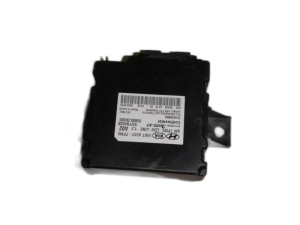
OEM Part Numbers: 958002K000 954002K410 954002K920 954002K400 954002K401 954002K910
Located behind the glove box. Secured by two 10mm nuts.
We Have This Part in Stock




The information in this article is provided for general reference and educational purposes only. Vehicle specifications, procedures, and part compatibility can vary by production date, trim level, and region. Always consult your vehicle's factory service manual and verify part numbers before purchasing or performing repairs. Safety-critical components such as airbags, seat belts, and braking systems should be installed by a qualified professional.
- Kia Soul:
- 🎬 Helpful Videos
- 🛍️ Shop This Part
- Symptoms of a Failing 2010 Kia Soul BCM
- Associated OBD-II Trouble Codes
- Known Issues, Recalls, and Part Number Complexities
- Critical Part Number and Production Date Information
- Related Recalls
- Buying a Used Body Control Module
- Programming and Immobilizer Requirements
- Cost to Replace a 2010 Kia Soul BCM
- Frequently Asked Questions (FAQ)
- 🎟️ Get 5% Off