

1993-1995 Isuzu Rodeo & Honda Passport Body Control Module: Solving Electrical Gremlins
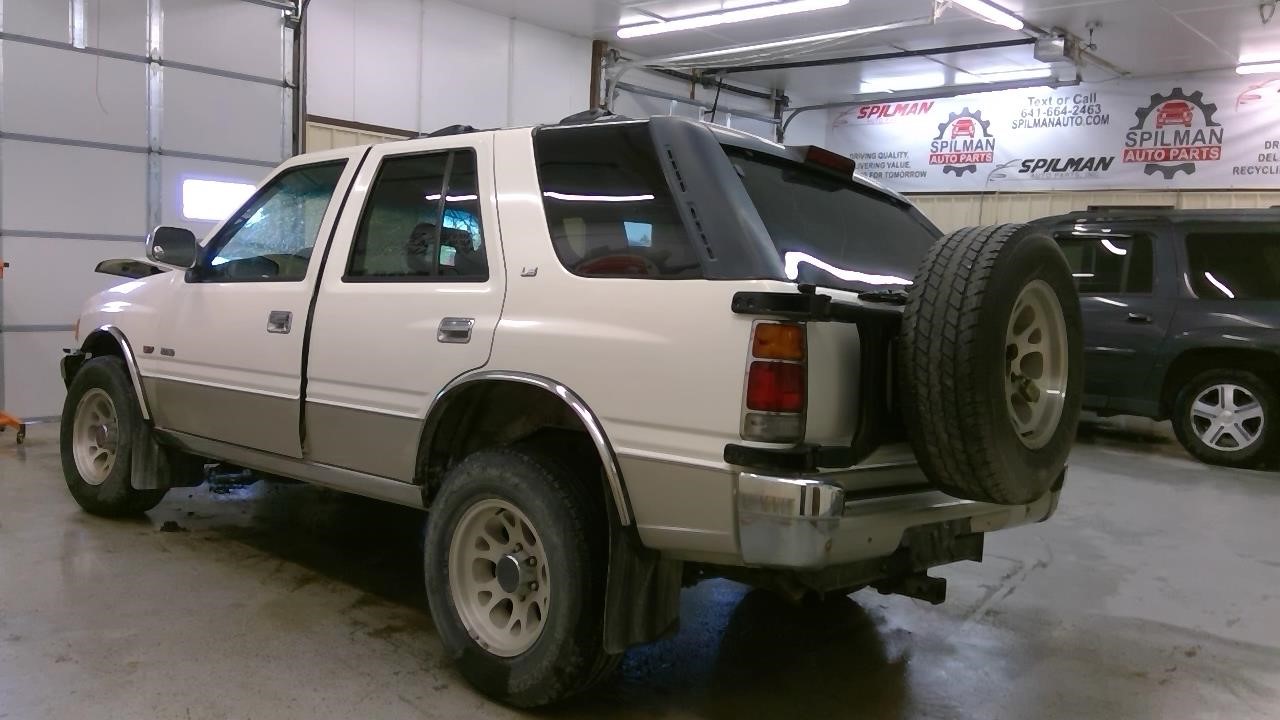
This guide covers the common failures, replacement, and critical compatibility details for the Body Control Module in the 1993-1995 Isuzu Rodeo and 1994-1995 Honda Passport.
- This BCM is plug-and-play and does NOT require any programming for installation.
- For 1995 models, this part ONLY fits vehicles built on or before April 1995 due to a mid-year airbag and dashboard redesign.
- Symptoms of a bad alternator (which was under recall) can mimic BCM failure; always test the charging system before replacing the BCM.
- The BCM is located behind the glove box and is accessible for DIY replacement.
Symptoms of a Failing Body Control Module
A failing Body Control Module (BCM) can cause a wide range of confusing and seemingly unrelated electrical problems. Because the BCM controls so many different systems, symptoms often appear erratic. One of the most common signs is when multiple, unrelated electrical components start acting up at the same time.
- Erratic Interior and Exterior Lights: Headlights, taillights, or dashboard lights may flicker, stay on when they should be off, or not turn on at all. Some owners report that the dashboard and tail lights fail together, sometimes blowing a fuse repeatedly.
- Power Window and Lock Malfunctions: Power windows may stop working, or the power door locks may engage or disengage randomly.
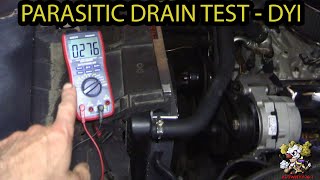
- Parasitic Battery Drain: A faulty BCM can fail to shut down a circuit properly, causing a slow drain on the battery that can leave you with a dead battery overnight.
- Intermittent Accessory Failure: The radio, windshield wipers, or horn may work one moment and fail the next.
- Security System Issues: If equipped, the factory alarm may trigger for no reason or the keyless entry may stop responding.
It is important to note that these vehicles were subject to a recall for a faulty alternator voltage regulator (NHTSA Campaign ID: 97V034002 for Honda, 97V034001 for Isuzu). A faulty alternator can cause overcharging, leading to erratic electrical behavior and engine stalling, which can mimic the symptoms of a bad BCM. It is crucial to have the alternator and battery tested before condemning the BCM.
Diagnosing the BCM
Since these vehicles were produced before the OBD-II standard, there are no standardized diagnostic trouble codes (DTCs) for body electronics. Diagnosis is primarily based on symptoms and a process of elimination.
- Check Fuses First: Before suspecting the BCM, always check all related fuses for the malfunctioning components. A blown fuse is a simple fix that can save a lot of diagnostic time.
- Test the Alternator: Due to the known recall, have the charging system tested at an auto parts store. An alternator producing excessive voltage can damage electronics and cause strange symptoms.
- Verify Power and Ground: If possible, a technician can use a wiring diagram to check for proper power and ground signals at the BCM's electrical connectors. A loss of either can prevent the module from functioning correctly.
- Rule Out Individual Components: If only one system is failing (e.g., only the driver's window), the problem is more likely to be the window motor or switch rather than the BCM. A BCM failure typically affects multiple systems.
Critical Compatibility Warning for 1995 Models: This Body Control Module, part number 8970749150, only fits 1995 Isuzu Rodeo and 1995 Honda Passport models manufactured on or before April 1995. In mid-1995, the dashboard was redesigned to include passenger-side airbags, which likely resulted in a different BCM and wiring harness. Always check the production date on the sticker inside the driver's door jamb before purchasing a replacement for a 1995 model.
Replacement Procedure
Replacing the BCM is a straightforward process that is feasible for a DIY mechanic with basic tools. The most important news for this generation of vehicle is that no programming is required. The replacement module is plug-and-play.
- Disconnect the Battery: Before working on any electronic component, disconnect the negative terminal from the vehicle's battery to prevent electrical shorts.
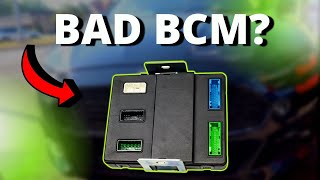
- Locate the BCM: The Body Control Module is located behind the glove box. To access it, open the glove box, press in on the sides to release the stops, and let it fold down completely. The BCM is a black box with electrical connectors, typically located up and to the left within the dashboard cavity.
- Remove the Old Module: Carefully press the release tabs on each electrical connector and pull them straight out. The module itself is usually held in place by a few bolts or clips. Remove these fasteners and take the old module out of the vehicle.
- Install the New Module: Mount the replacement BCM in the same location and secure it with the original fasteners. Plug in the electrical connectors, ensuring they click securely into place.
- Reconnect and Test: Reconnect the negative battery terminal. Turn the ignition on and test all functions controlled by the BCM, including lights, windows, locks, and wipers, to confirm the repair was successful.
Buying a Used Body Control Module
Given the age of these vehicles, a used OEM module is often the most practical and affordable option. New modules are rare and aftermarket options are generally not available.
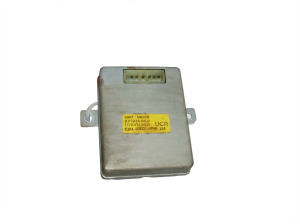
- Verify the Part Number: Ensure the used module has the exact OEM part number: 8970749150 for Isuzu or 8-97074-915-0 for Honda.
- Check the Production Date: For 1995 models, re-confirm your vehicle's build date and ensure the donor vehicle's date is compatible. If the build date is after April 1995, this part will not work.
- Inspect for Damage: Look for any signs of water intrusion, corrosion on the pins, or a burnt smell. Any of these are red flags that indicate the module is likely bad.
- Plug-and-Play Advantage: The biggest benefit of buying a used OEM module for these specific vehicles is the lack of programming. Unlike modern vehicles that require expensive dealer tools, you can simply swap this module yourself.
Cost Comparison
The cost of replacing a BCM can vary significantly depending on the source of the part.
| Part Source | Estimated Cost |
|---|---|
| New OEM | $300 - $400 (if available) |
| New Aftermarket | Not Generally Available |
| Used OEM | $50 - $150 |
| Remanufactured | $200 - $450 (availability may be limited) |
| Shop Labor | $100 - $200 |
Frequently Asked Questions (FAQ)
Does the BCM for a 1994 Passport or 1993 Rodeo need to be programmed?
No. For these specific model years, the Body Control Module is a plug-and-play component. No special programming or dealer visit is required after installation.
Where is the BCM located on a 1993-1995 Isuzu Rodeo or Honda Passport?
The BCM is located behind the glove box. You can access it by opening the glove box and letting it hang down fully. The module is typically mounted up and to the left inside the dash.
Will a bad BCM prevent my car from starting?
It is unlikely. The BCM primarily controls body accessories and is separate from the Engine Control Module (ECM/PCM) that manages engine functions. However, severe electrical issues or interference could potentially affect other systems. Some general BCM failure guides mention a no-start condition as a rare possibility.
How do I check the production date of my 1995 Rodeo or Passport?
The production month and year are printed on a sticker located on the driver's side door jamb. This is essential for confirming compatibility for a 1995 model year vehicle.
Helpful Videos
Technical Specifications
OEM Part Numbers: 8-97074-915-0 8970749150
No specific technical specifications found.
We Have This Part in Stock


The information in this article is provided for general reference and educational purposes only. Vehicle specifications, procedures, and part compatibility can vary by production date, trim level, and region. Always consult your vehicle's factory service manual and verify part numbers before purchasing or performing repairs. Safety-critical components such as airbags, seat belts, and braking systems should be installed by a qualified professional.
- Honda Passport:
- Isuzu Rodeo: