

2019-2021 Honda Civic BCM: A Guide to Programming, Failure, and Replacement
This guide covers the critical details you need before replacing the Body Control Module in your 2019-2021 Honda Civic, including mandatory programming and immobilizer issues.
- A replacement BCM MUST be programmed by a dealer or a qualified specialist; the car will not start without this step.
- Using aftermarket tools to program the BCM carries a significant risk of permanently damaging ('bricking') the module.
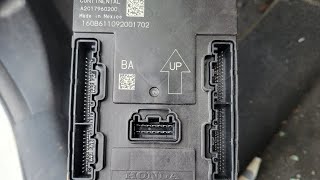
- You must match the OEM part number from your old BCM exactly to ensure compatibility with your Civic's trim and options.
- Symptoms often appear as a bizarre collection of unrelated electrical issues, including key fob problems, dead batteries, and flickering lights.
Symptoms of a Failing BCM in a 2019-2021 Honda Civic

When the BCM begins to fail, it can cause a wide range of confusing and seemingly unrelated electrical problems. Because the BCM controls so many different systems, you may notice one or more of the following issues:
- Erratic Electrical Functions: Power windows, door locks, or interior lights may work intermittently or stop working altogether.
- Keyless Entry and Start System Malfunctions: You may see a "Smart Entry System Problem" message on the dash. The vehicle may not recognize the key fob, preventing you from unlocking the doors or starting the engine. In some cases, the engine may start and then immediately shut off, with a blinking immobilizer light on the dashboard.
- Lighting Problems: Headlights, taillights, or turn signals may flicker, stay on, or not turn on at all.
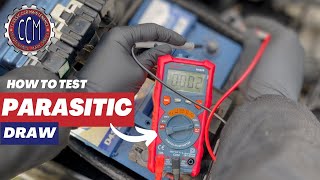
- Parasitic Battery Drain: A faulty BCM can fail to shut down completely, causing a slow drain on the battery that leaves it dead overnight or after a few days. 🎬 See the easiest way to test for parasitic battery drain.
- Random Alarms: The vehicle's security alarm may go off for no reason.
- Multiple Warning Lights: A failing BCM can trigger a cascade of unrelated warning lights on the instrument cluster.
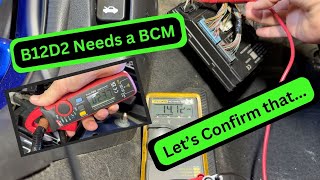
A diagnostic scan may reveal Body (B-prefix) or Communication (U-prefix) trouble codes. One known code that points directly to BCM failure 🎬 Watch: A professional diagnostic walkthrough for a failing Civic BCM. on these vehicles is B12D2.
Important: A replacement Body Control Module MUST be programmed to your specific vehicle. The car will not start and many electronic features will not work until this programming is completed correctly.
Programming and Immobilizer Requirements

This is the most critical part of replacing a Civic BCM. You cannot simply swap the module and expect it to work. The BCM is tied directly to the vehicle's immobilizer system, which prevents theft by ensuring only a registered key can start the engine.
- Programming is Not Optional: The replacement BCM, whether new or used, is essentially a blank slate. It must be programmed using specialized diagnostic software to learn your vehicle's specific configuration and VIN.
- Immobilizer Re-registration: During the programming process, your existing keys must be re-registered to the new BCM. If this step is skipped, the car will not start.
- Who Can Program the BCM?
- Honda Dealerships: This is the safest and most reliable option. Dealers use the official Honda Diagnostic System (HDS) software, which is designed for this procedure.
- Qualified Independent Shops & Locksmiths: Some professional locksmiths and repair shops have high-end aftermarket scan tools (like Autel or Snap-on) that can perform BCM programming. However, there is a significant risk involved.
Warning: Risk of "Bricking" the Module. There is a known issue where using aftermarket programming tools on these Hondas can permanently damage or "brick" the BCM. This often happens when the tool asks if the vehicle has a "new system" or "old system." An incorrect answer can corrupt the module's software, making it unusable. For this reason, a dealership is the recommended choice for programming.
Known Issues, TSBs, and Recalls

While there are no major recalls specifically for the 2019-2021 Honda Civic BCM, Honda did issue a recall (NHTSA ID: 20V771000) for a BCM software flaw in 2018-2020 Accords and 2019-2020 Insights. The symptoms, including malfunctioning wipers, lights, and rearview cameras, are identical to what a failing Civic BCM might exhibit. This highlights how sensitive these modules are to software issues.
Additionally, Honda has issued service information warning technicians that using aftermarket key programmers can damage the BCM, leading to a no-start condition that requires BCM replacement.
Buying a Used Body Control Module

Purchasing a used OEM BCM is an excellent way to save money, as aftermarket options are not readily available for this part. However, you must be diligent to ensure compatibility.
- Match the Part Number EXACTLY: The most important step is to match the OEM part number on your original BCM to the used one you are buying. BCMs are specific to trim level (EX, Sport, etc.), transmission type, and body style (Sedan, Coupe). The part number 38809-TBE-A21 is known to fit 2019-2021 Civic Sedan models like the EX, EX-L, and Sport with an automatic transmission. Other numbers like 38809-TBF-A11 or 38809-TGH-A23 fit different trims. Do not guess; verify the number.
- Physical Inspection: When you receive the used module, inspect it carefully. Look for any signs of corrosion on the pins or casing, which indicates water damage. Check that the plastic housing and connector ports are not cracked or broken.
- Source Vehicle Information: If possible, buy from a reputable seller who can confirm the module came from a vehicle that was not flood-damaged.
- Remember Programming Costs: Factor in the cost of programming when buying a used module. Even with a perfectly functional used part, you will still need to pay a dealer or specialist for programming.
Pro Tip: The BCM is located high in the driver's side dashboard, above the dead pedal footrest area. It is held in a bracket and can be difficult to see and access. Watching a video of the removal process beforehand can save you significant time and frustration.
🎬 Watch: How to locate and remove the Civic BCM.Cost to Replace a 2019-2021 Civic BCM
Costs can vary based on your location and the parts source. The most significant expense is often the labor and programming, not the part itself.
| Part/Service | Estimated Cost |
|---|---|
| New OEM BCM | $275 - $415 |
| Used OEM BCM | $75 - $150 |
| Shop Labor & Programming (Dealer) | $500 - $700 |
| Total Estimated Cost (with Used Part) | $575 - $850 |
| Total Estimated Cost (with New Part) | $775 - $1,115 |
Frequently Asked Questions (FAQ)
Do I have to get my new BCM programmed at the dealer?
While some independent shops can do it, the dealership is the safest option. There is a known risk of permanently damaging the BCM with aftermarket programming tools if the procedure is not done exactly right.
Will my car start after I install a replacement BCM?
No. The BCM is linked to the car's anti-theft immobilizer system. The car will not start until the new BCM is programmed and your keys are registered to it.
Can I program a Honda BCM myself?
No, this is not a DIY-friendly task. It requires expensive, professional diagnostic equipment like the Honda HDS or a high-end aftermarket scan tool, along with the technical knowledge to use it correctly.
Where is the BCM located on my 2019-2021 Civic?
The Body Control Module is located on the driver's side, high up in the dashboard behind the fuse panel area and above the footrest pedal. It is difficult to see and may require removing the lower dash trim panel to access.
Helpful Videos
Technical Specifications
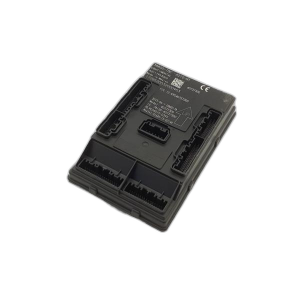
OEM Part Numbers: 38809-TBE-A21 38809-TBE-A210 38809-TBE-A210M1 38800-TBE-A01 38809-TBE-A31 38809-TBF-A11 38809-TBF-A21 38809-TGH-A23
Rewritable module that controls body electrical functions. Requires programming via Honda Diagnostic System (HDS) or equivalent.
We Have This Part in Stock




The information in this article is provided for general reference and educational purposes only. Vehicle specifications, procedures, and part compatibility can vary by production date, trim level, and region. Always consult your vehicle's factory service manual and verify part numbers before purchasing or performing repairs. Safety-critical components such as airbags, seat belts, and braking systems should be installed by a qualified professional.
- Honda Civic: