

2019-2024 GM Truck & Camaro Transmission Control Module (TCM) Guide
This guide covers common failures, symptoms, and the critical programming requirements for the Transmission Control Module (TCM) in many popular GM trucks and the Chevrolet Camaro.
- This part is a Transmission Control Module (TCM), not a Body Control Module (BCM).
- This module MUST be programmed to your vehicle's VIN to function. This is not an optional step.
- Symptoms of failure include harsh shifting, delayed engagement, warning lights, and the vehicle entering 'limp mode'.
- Programming can be done by a GM dealer, a qualified independent shop, or through a mail-in service that pre-programs the unit.
Is This a Body Control Module or a Transmission Control Module?

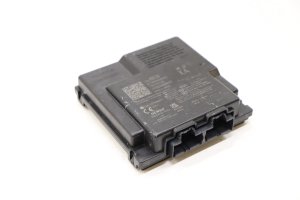
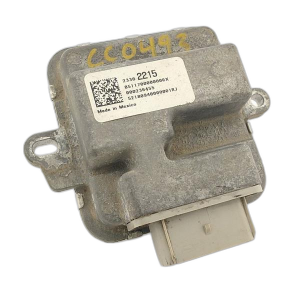
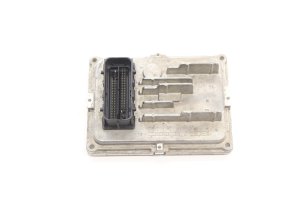
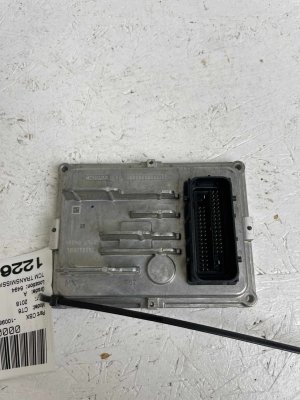
There is significant confusion regarding this part. The part numbers listed (including 24049790, 24042540, and 24298475) are for a Transmission Control Module (TCM), also called a Transmission Controller. This is NOT a Body Control Module (BCM). A BCM manages vehicle functions like lighting, windows, and security, whereas the TCM exclusively controls the automatic transmission's shifting and operation. This guide focuses on the TCM for the vehicles listed.
Known Issues, Technical Service Bulletins (TSBs), and Recalls

The 8-speed and 10-speed transmissions in these vehicles are known for several issues that can be related to the TCM or its programming.
🎬 Watch: Common issues to expect with 2019-2025 Silverados.- Harsh Shifting and Shudder: Many owners report harsh or jerky shifts, particularly at low speeds, and a shuddering feeling that can feel like driving over rumble strips. GM has released service bulletins like 20-NA-142 addressing shudder, which may be caused by depleted additives in the transmission fluid.
- Delayed Engagement: A common complaint is a delay when shifting from Park into Drive or Reverse, especially after the vehicle has been sitting overnight. TSB 20-NA-187 addresses this specific issue, noting that engagement should occur within 3 seconds.
- Incorrect Programming from Factory/Service: GM has issued recalls and service campaigns for certain vehicles due to incorrect TCM software. For example, campaign N222376590 was issued for some 2020 Silverado HD trucks because the TCM may not have been programmed correctly at the factory. Similarly, N222380840 was issued for 2021-2022 Medium Duty trucks for incorrect service calibrations that could degrade shift quality.
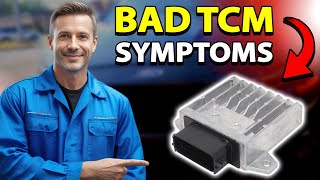
Symptoms of a Failing Transmission Control Module

A failing TCM can cause a variety of noticeable problems. Look out for the following symptoms:
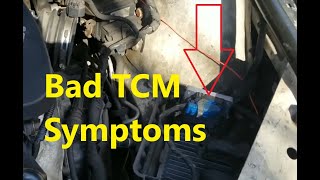
🎬 Watch: 5 common signs your TCM is failing fast.- Harsh, Erratic, or Delayed Shifting: This is the most common symptom. Shifts may be abrupt, delayed, or happen at the wrong time.
- Vehicle Enters "Limp Mode": The vehicle's computer may limit engine power and lock the transmission in a single gear (often 2nd or 3rd) to prevent further damage.
- Check Engine Light or "Service Transmission" Warning: A fault in the TCM will almost always trigger a warning light on the dashboard.
- Failure to Shift into Gear: The vehicle may rev when put into Drive or Reverse but fail to move.
- Getting Stuck in One Gear: The transmission may refuse to upshift or downshift from a particular gear.
- Common Diagnostic Trouble Codes (DTCs): A P0700 code is a generic transmission control system fault, indicating the TCM has detected a problem. Other codes may point to specific sensor or solenoid issues.
Important: Many of these symptoms can also be caused by mechanical transmission problems or low/dirty fluid. Proper diagnosis is key before replacing the TCM.
TCM Programming, Installation, and Replacement

Programming is NOT Optional
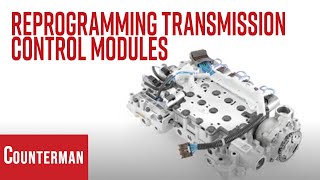
A new or used Transmission Control Module MUST be programmed to your vehicle’s specific Vehicle Identification Number (VIN). The TCM works with the Engine Control Module (ECM) and other computers, and it needs the correct software calibration for your vehicle's specific engine, axle ratio, and options to function. Without programming, the vehicle will not shift correctly and may not even start or move.
Who Can Program the TCM?
- GM Dealerships: Dealers have the required tools and access to GM's Service Programming System (SPS2) via Techline Connect. 🎬 See how a technician programs a GM transmission module.
- Qualified Independent Shops: Many independent repair shops that specialize in GM vehicles invest in the necessary J2534 pass-thru tools and software subscriptions to perform programming.
- Mail-In Programming Services: Some vendors offer to pre-program a new or used TCM to your VIN before shipping it to you, providing a "plug-and-play" solution.
Pro Tip: When programming is performed, the GM software generates a Warranty Claim Code (WCC). It's good practice to ensure this code is documented on your repair invoice as proof of a successful programming event.
Replacement Procedure Overview
On most of the listed Sierra and Silverado trucks, the TCM is located in the engine bay, typically on the driver's side frame rail or core support. On the Camaro, it is often found on the driver's side frame rail, accessible after removing the wheel and fender liner. Replacement generally involves disconnecting the battery, unplugging the electrical connectors, unbolting the module, and then installing the new one. The most critical part of the job is the electronic programming that must follow the physical installation.
Buying a Used Transmission Control Module
Purchasing a used OEM TCM can be a cost-effective solution, but there are critical factors to consider:
- Programming is Still Required: A used TCM is just a piece of hardware. It holds the programming from the donor vehicle, which will not work in your vehicle. It must be completely reprogrammed for your specific VIN.
- Verify the Part Number: While several part numbers may be interchangeable once programmed, it's best to match the part number from your original module. The part numbers covered in this guide include 24049790, 24042540, 24042698, 24043411, 24043413, 24289415, 24295682, 24296206, and 24298475.
- Physical Inspection: When buying used, check the module for any physical damage, corrosion, or bent connector pins. Ensure the connectors are clean and free of debris.
- Source from a Reputable Seller: Buy from a seller who guarantees the part is functional and provides clear photos. A recycled OEM part is often more reliable than a cheap, new aftermarket clone.
Cost Comparison
| Part/Service | Estimated Cost |
|---|---|
| New OEM TCM (Part Only) | $150 - $250 |
| Used OEM TCM (Part Only) | $75 - $150 |
| Remanufactured Aftermarket TCM | $165 - $225 |
| Shop Labor for Replacement | $100 - $300 |
| TCM Programming Fee | $100 - $300 |
| Total Estimated Cost (Installed & Programmed) | $450 - $1,500 |
Frequently Asked Questions (FAQ)
Can I drive with a bad TCM?
It is not recommended. If the TCM fails, your vehicle may go into "limp mode" with reduced power, get stuck in one gear, or fail to shift at all. This can be unpredictable and unsafe in traffic. It's best to have the vehicle towed for repair.
Do I have to go to a dealer to replace my TCM?
No, you don't necessarily have to go to a dealer. Many professional independent shops have the J2534-compliant tools and GM software subscriptions needed to program a new TCM. You can also use a mail-in service that pre-programs the module to your VIN.
Will disconnecting the battery reset the TCM?
Disconnecting the battery may clear some temporary fault codes and force the module to restart its adaptive learning process, but it will NOT fix a failed module or reprogram it. Some owners report temporary improvement, but it is not a permanent solution for a faulty TCM or incorrect programming.
What is the difference between this TCM and a Body Control Module (BCM)?
The TCM (Transmission Control Module) is dedicated solely to controlling the automatic transmission. The BCM (Body Control Module) is a separate computer that manages other vehicle functions like interior and exterior lights, power windows, door locks, and the security system. They are two distinct and non-interchangeable parts.
Helpful Videos

Technical Specifications
OEM Part Numbers: 24049790 24042540 24042698 24043411 24043413 24289415 24295682 24296206 24298475
Controls 8-speed (8L90) and 10-speed (10L80/10L90) automatic transmissions. Requires programming via GM's Service Programming System (SPS2).
We Have This Part in Stock



The information in this article is provided for general reference and educational purposes only. Vehicle specifications, procedures, and part compatibility can vary by production date, trim level, and region. Always consult your vehicle's factory service manual and verify part numbers before purchasing or performing repairs. Safety-critical components such as airbags, seat belts, and braking systems should be installed by a qualified professional.
- GMC Sierra 1500:
- Chevrolet Silverado 1500:
- GMC Sierra 2500 HD:
- GMC Sierra 3500 HD:
- Chevrolet Silverado 2500 HD:
- Chevrolet Silverado 3500 HD:
- Chevrolet Camaro:
- GMC Sierra Denali 1500:
- GMC Sierra Denali 2500:
- GMC Sierra Denali 3500:
- 🎬 Helpful Videos
- 🛍️ Shop This Part
- Is This a Body Control Module or a Transmission Control Module?
- Known Issues, Technical Service Bulletins (TSBs), and Recalls
- Symptoms of a Failing Transmission Control Module
- TCM Programming, Installation, and Replacement
- Programming is NOT Optional
- Who Can Program the TCM?
- Replacement Procedure Overview
- Buying a Used Transmission Control Module
- Cost Comparison
- Frequently Asked Questions (FAQ)
- 🎟️ Get 5% Off