

Ford BCM Failure (2013-16 F-150, Fusion, Explorer & More): Solving Electrical Chaos & Programming Woes
This in-depth guide explains the bizarre electrical symptoms, critical programming requirements, and replacement costs for the Body Control Module in many 2013-2016 Ford and Lincoln vehicles.
- A replacement BCM (or SJB) MUST be programmed to the vehicle's VIN and anti-theft system; it is not a plug-and-play part.
- Programming requires special tools and two valid keys. The easiest options for DIYers are mail-in repair or cloning services, which bypass the need for programming.
- On F-Series trucks and large SUVs, the most common cause of failure is water damage from leaks in the windshield or cowl area, which drips onto the BCM in the passenger kick panel.
- Symptoms are typically widespread and chaotic, including random lights/horn, battery drain, and no-start conditions.
Is it a BCM or a SYNC/APIM Module? A Critical Distinction

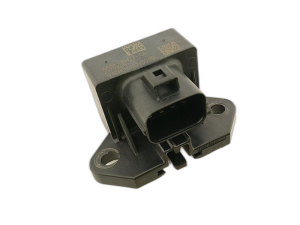
Before diagnosing a problem, it's vital to identify the correct part. Many owners confuse the Body Control Module (BCM) with the SYNC or APIM module. The part numbers initially provided in our database, such as DA5T-14D212-RB and DS7T-14F239-BR, are for the SYNC/APIM module, which controls the radio, infotainment screen, Bluetooth, and voice commands. This article is about the Body Control Module (BCM), also known as the Smart Junction Box (SJB), which is a completely different part responsible for core body electrical functions. If your issue is with the radio or center screen, you likely need an APIM module; if you are experiencing the chaotic electrical failures listed below, the BCM is the likely culprit.
Symptoms of a Failing Body Control Module


A failing BCM rarely affects just one system. The symptoms are often bizarre, intermittent, and seem completely unrelated to each other. This is because the module's internal circuits or logic have failed, leading to unpredictable behavior.
- Electrical Gremlins: This is the most common sign. You may experience headlights, taillights, or interior lights flickering or staying on. The horn might blare randomly, the windshield wipers may activate on their own, or the power door locks might cycle uncontrollably.
- Parasitic Battery Drain: One of the most frequent complaints is a battery that dies overnight. A faulty BCM can fail to shut down a circuit, causing a continuous power draw that drains the battery even when the vehicle is off. 🎬 Watch this video to see a parasitic battery drain fix.
- No-Start Condition: The BCM is a key part of Ford's Passive Anti-Theft System (PATS). If it fails, it may not recognize your key's transponder chip or fail to send the start signal, preventing the engine from cranking at all.
- Dashboard Warning Lights: A failing BCM can cause multiple warning lights to illuminate on the instrument cluster, often described as lighting up "like a Christmas tree." These may include airbag, ABS, or check engine lights, even if those systems are mechanically sound.
- Unresponsive Features: Power windows that won't go up or down, power mirrors that don't adjust, or climate controls that stop working can all point to a BCM failure.
- Communication Fault Codes: When scanned with an OBD-II tool, you will likely find communication-related Diagnostic Trouble Codes (DTCs), typically starting with a "U". A very common code is U0140, which means "Lost Communication With Body Control Module."
Known Issues and Common Causes of Failure

Water Intrusion: The #1 Killer of Truck and SUV BCMs
For the 2013-2014 Ford F-150 and 2014-2016 F-250/F-350 Super Duty, the leading cause of BCM failure is water damage. The BCM is typically located behind the passenger-side kick panel, an area highly vulnerable to leaks. Water often finds its way in from a poorly sealed windshield, cracked or misaligned cowl trim, or a clogged A/C evaporator drain. This water drips directly onto the BCM and its connectors, causing corrosion and short circuits that lead to catastrophic failure. If you own one of these trucks and are experiencing BCM symptoms, checking for dampness in the passenger footwell is the first step in diagnosis.
Ford Focus: Leaking Washer Pump
On the 2014 Ford Focus, a known issue involves the windshield washer pump or its connector leaking. Washer fluid can wick its way along the wiring harness and travel directly into the BCM, which is located behind the glove box on this model, causing corrosion and failure.
Pro Tip: If you are replacing a water-damaged BCM, it is absolutely critical to find and fix the source of the leak first. Installing a new module without addressing the leak will only result in another expensive failure.
2014 F-150 Sudden Downshift Recall (24S37): Owners of 2014 Ford F-150s should be aware of a major safety recall (NHTSA 24V-444) for an issue where the transmission can suddenly downshift to first gear at speed. This dangerous problem is caused by a fault between the transmission speed sensor and the Powertrain Control Module (PCM), not the BCM. The fix is a software update performed by a dealer. If your primary symptom is a violent downshift, check for this recall first.
BCM Replacement: Programming is NOT Optional
You cannot simply swap a Body Control Module from one vehicle to another, even if it's from the exact same model. The BCM is a security-critical component that must be programmed to your specific vehicle's VIN and options. Failure to program a replacement BCM will result in a no-start condition and numerous non-functioning features.
The programming process involves two main steps:
- Loading As-Built Data: Every Ford vehicle has a unique "As-Built" data file that tells the BCM which options are installed (e.g., power seats, fog lights, specific axle ratio). This data can be downloaded from Ford's Motorcraft website using the vehicle's VIN and must be loaded into the replacement module.
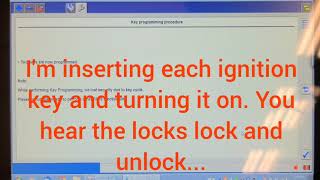
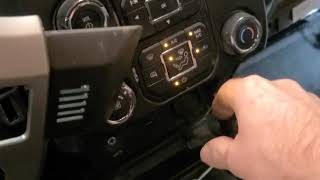
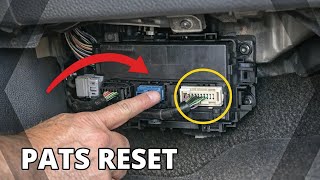
- PATS Parameter Reset: This is the crucial anti-theft step. A special procedure must be run with a diagnostic tool to create a security handshake between the new BCM, the Powertrain Control Module (PCM), and your existing keys. This process requires a mandatory 10-minute security wait and, most importantly, you must have two separate, valid keys. Cloned keys may not work for this initial setup.
Who Can Program a Ford BCM?
- Ford Dealership: This is the most straightforward, albeit often most expensive, option. They have the proprietary Ford IDS/FJDS software and security credentials to guarantee a successful programming job. 🎬 Watch a professional technician install and reprogram a used BCM.
- Independent Shop: A well-equipped independent mechanic with professional-grade scan tools (like Autel or Snap-on) and a subscription to NASTF (National Automotive Service Task Force) for security credentials can often perform the programming. However, not all shops have this capability.
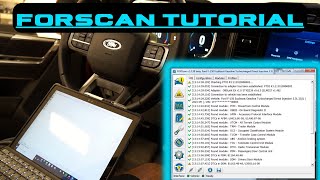
- Advanced DIY with FORScan: It is possible for a knowledgeable DIYer to perform the programming using a compatible OBD-II adapter and FORScan software. You can load the As-Built data and initiate the PATS parameter reset. However, this carries a significant risk. If done incorrectly, you can "brick" the module, making it permanently unusable and turning a difficult job into a much more expensive one. 🎬 See a walkthrough of the FORScan programming and PATS reset.
Buying a Used Body Control Module
A used OEM BCM is a cost-effective alternative to a brand-new unit, but it comes with important considerations. Given the complexity of programming, your approach to buying used should be strategic.
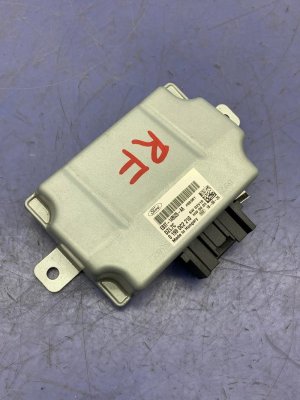
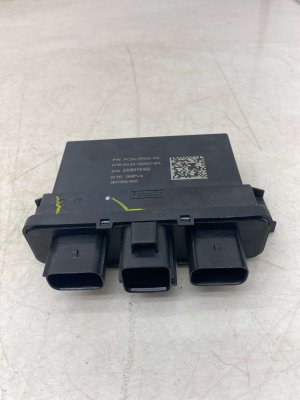
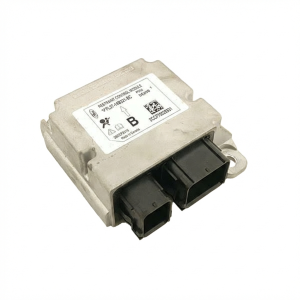
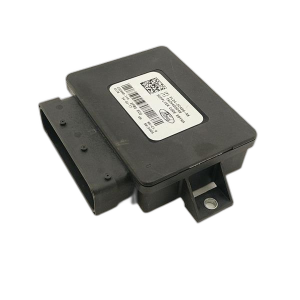
- Match the Part Number Exactly: The engineering part number on the sticker of the replacement module must be an exact match to your original. Part numbers like DL3Z-15604-B (F-150) or BV6N-14A073-LE (Escape) are examples. Even a small difference in the suffix can indicate different hardware or software not compatible with your vehicle.
- Inspect for Water Damage: When buying a used BCM, especially for a truck or SUV, look for any signs of white or green corrosion on the pins or discoloration on the case. This is a clear red flag for water damage.
- Consider a Repair or Cloning Service: The best option for many buyers is to use a mail-in service.
- Repair Service: Companies like XeMODeX will repair your original BCM and send it back, which requires no programming at all.
- Cloning Service: You can send your original (even if faulty) BCM and a compatible used replacement to a specialist. They will clone all the data—including VIN, As-Built, and key information—from your old module to the used one. The result is a 100% plug-and-play module that requires no dealer visit, offering the best of both worlds: the low cost of a used part with the ease of a pre-programmed unit.
Vehicle-Specific BCM Location

The location of the BCM varies by model. Always disconnect the battery before attempting to access or remove the module.
| Vehicle | BCM Location |
|---|---|
| F-150, F-250/F-350 | Behind the passenger side kick panel / A-pillar trim. |
| Fusion | Under the driver's side of the dashboard, high up on the firewall. Often requires removing lower dash panels to access. |
| Focus, Escape | Behind the glove box. The glove box assembly typically needs to be removed. |
| Edge, Explorer, MKX | Under the driver's side of the dashboard, often above the main interior fuse panel. |
| MKZ | Shares a platform with the Fusion; located under the driver's side of the dashboard. |
Cost to Replace a Body Control Module
The total cost is a combination of the part itself and the labor for installation and programming.
| Item | Estimated Cost | Notes |
|---|---|---|
| New OEM Part | $400 - $900+ | Purchased from a dealership parts counter. |
| Used OEM Part | $75 - $250 | Price from online sellers and salvage yards. Requires programming. |
| Remanufactured / Repair Service | $300 - $500 | Often a plug-and-play solution that doesn't require programming. |
| Shop Labor (Installation & Programming) | $300 - $700+ | Typically 2-4 hours of labor at a shop rate of $150-$225/hr. |
| Total Dealer Replacement | $1,000 - $1,500+ | A common all-in quote from a Ford dealership. |
Frequently Asked Questions
Do I absolutely have to program a replacement BCM?
Yes. A replacement BCM, whether new or used, will not work without being programmed to your vehicle's VIN and security system. The only exceptions are if you have your original module repaired or if you use a cloning service to make a used module a plug-and-play copy of your original.
Can I drive my car with a failing BCM?
It is not recommended. The symptoms are unpredictable and can create a serious safety hazard. You could lose your headlights at night, your wipers during a storm, or the vehicle could fail to start, leaving you stranded. If the anti-theft system is affected, the car may not start at all.
Can I program a new BCM myself with FORScan?
It is technically possible for an experienced user. You would need to download your vehicle's As-Built data, load it to the new module, and then perform the PATS Parameter Reset, which involves a 10-minute security wait and cycling two original keys. However, a mistake can permanently lock the module. For most people, this job is best left to a professional or bypassed by using a repair/cloning service.
Why are there so many electrical problems at once?
The BCM is the central hub for dozens of electrical components that are not related to the engine. When its internal processor or power distribution circuits fail, it sends incorrect or nonsensical signals, causing multiple, unrelated systems to malfunction simultaneously.
Helpful Videos
Technical Specifications
OEM Part Numbers: DL3Z-15604-B EC3T-14B476-BA DL3T-15604-GA BV6N-14A073-LE DV6T-14A073-XB AL3Z-15604-A BL3Z-15604-A
Also known as the Smart Junction Box (SJB). Integrates the interior fuse panel with a microprocessor control unit. Communicates on the vehicle's CAN bus network. Controls lighting, locks, windows, wipers, horn, and the Passive Anti-Theft System (PATS).
We Have This Part in Stock

The information in this article is provided for general reference and educational purposes only. Vehicle specifications, procedures, and part compatibility can vary by production date, trim level, and region. Always consult your vehicle's factory service manual and verify part numbers before purchasing or performing repairs. Safety-critical components such as airbags, seat belts, and braking systems should be installed by a qualified professional.
- Ford F-150:
- Ford Explorer:
- Ford F-250 Super Duty:
- Ford Escape:
- Ford F-350 Super Duty:
- Ford Fusion:
- Ford Edge:
- Lincoln MKZ:
- Lincoln MKX:
- Ford Focus:
- Ford Taurus:
- Ford F-150 Raptor:
- Lincoln MKS:
- Ford Flex:
- Ford C-Max:
- Lincoln MKT:
- Ford Transit Connect:
- 🎬 Helpful Videos
- 🛍️ Shop This Part
- Is it a BCM or a SYNC/APIM Module? A Critical Distinction
- Symptoms of a Failing Body Control Module
- Known Issues and Common Causes of Failure
- Water Intrusion: The #1 Killer of Truck and SUV BCMs
- Ford Focus: Leaking Washer Pump
- BCM Replacement: Programming is NOT Optional
- Who Can Program a Ford BCM?
- Buying a Used Body Control Module
- Vehicle-Specific BCM Location
- Cost to Replace a Body Control Module
- Frequently Asked Questions
- 🎟️ Get 5% Off