

2014 Escape, Focus & 2014-2015 Transit Connect BCM: Failure Symptoms and Programming Guide
This guide covers the common electrical failures, symptoms, and mandatory programming requirements for the Body Control Module in the 2014 Ford Escape, 2014 Ford Focus, and 2014-2015 Ford Transit Connect.
- This BCM MUST be programmed by a dealer or a qualified shop with dealer-level tools after installation.
- You must have at least TWO working keys to complete the mandatory anti-theft system (PATS) relearn procedure.
- If a replacement BCM causes a no-power condition, install a 25-amp fuse in slot F88 as per Ford TSB SSM 47703.
- On the Ford Focus, BCM failure is often caused by washer fluid leaking down the wiring harness into the module.
Symptoms of a Failing BCM

A failing Body Control Module in a 2014 Ford Escape, 2014 Ford Focus, or 2014-2015 Ford Transit Connect typically causes a wide range of strange and seemingly unrelated electrical problems. Because the BCM controls so many different systems, its failure can be confusing to diagnose.
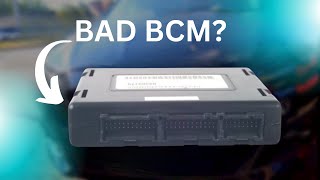
🎬 Watch: A breakdown of the top 7 bad BCM symptoms- Erratic Electrical Functions: This is the most common sign. You may experience lights (headlights, taillights, or interior lights) flickering, staying on, or not working at all. Power windows, door locks, and windshield wipers may operate intermittently or stop responding completely.
- Instrument Cluster Issues: The dashboard may light up with multiple warning lights at once, sometimes described as looking like a Christmas tree. Gauges might behave erratically, or the entire cluster could go blank.
- Starting and Security Problems: A bad BCM can prevent the vehicle from starting. It may fail to recognize the transponder chip in your key, disrupting the Passive Anti-Theft System (PATS) and immobilizing the engine.
- Parasitic Battery Drain: One of the most frustrating symptoms is a battery that repeatedly dies overnight. A faulty BCM can fail to shut down certain electrical circuits when the car is off, causing a continuous power draw that drains the battery.
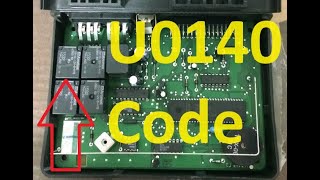
- Diagnostic Trouble Codes (DTCs): A primary code indicating a BCM communication failure is U0140 (Lost Communication With Body Control Module). This code often appears alongside other communication codes (like U0155) because other modules on the vehicle can no longer talk to the BCM. You may also find specific circuit fault codes depending on which function has failed. 🎬 See this guide on diagnosing U0140 communication codes
Known Issues, TSBs, and Recalls

Technical Service Bulletin SSM 47703: No Power After BCM Replacement
Ford issued a critical technical service bulletin for the 2014-2019 Escape, 2014-2018 Focus, and 2014-2018 Transit Connect. It notes that after installing a new service BCM, the vehicle may have no power or be impossible to program. The cause is often a missing fuse in a location that was unused on the original module.
Pro Tip: If you replace the BCM and the vehicle is dead, inspect fuse location F88 in the BCM (interior fuse panel). If it is empty, install a 25-amp fuse. This is a required step for many superseded replacement modules to function correctly.
Ford Focus: Washer Fluid Contamination
On the 2014 Ford Focus, there is a known issue where the windshield washer fluid pump or its connector can leak. Due to the wiring harness routing, the fluid can travel down the wires and directly into the BCM, which is located in the passenger footwell. This water (and methanol) intrusion causes corrosion on the circuit board, leading to module failure. If you have a Focus, it's wise to inspect the BCM connectors for any signs of blue or white crusty residue, which indicates fluid damage.
Related Recalls
While there isn't a direct recall for this specific BCM on all 2014 models, Ford did issue recall 14S17 for some 2013-2014 Escapes and Focus STs due to faulty wiring harness splices that could cause incorrect signals to the Powertrain Control Module (PCM), potentially leading to stalling. Another recall (15V406000) was issued for some 2014-2015 Escape and Transit Connect vehicles for a software issue that could cause the instrument cluster to go blank. A 2015 recall (15S16) addressed a BCM issue on some Escapes that could allow the engine to continue running after shut-off. While your specific vehicle may not be covered, these recalls highlight known electrical vulnerabilities in these platforms.
Replacement and Programming Requirements

Replacing this Body Control Module is not a simple plug-and-play job. Programming is mandatory for the vehicle to start and function correctly.
Warning: This module is linked to the vehicle's immobilizer system (PATS). Failure to program it correctly will result in a no-start condition. You MUST have at least two working, programmed keys to complete the security relearn procedure.
Programming Procedure Overview:
- Save As-Built Data: If the original BCM is still communicating, a technician will use Ford's diagnostic software (IDS or FDRS) or an advanced tool like FORScan to save the vehicle's "As-Built" data. This file contains all the specific configuration settings for your car's options.
- Install New Module: The BCM is located in the passenger footwell on the Escape and Focus and under the steering wheel on the Transit Connect. The old module is removed and the replacement is installed.
- Programmable Module Installation (PMI): The technician initiates the PMI process, which writes the vehicle's VIN and the saved As-Built data to the new module. If the original module was dead, this data can sometimes be retrieved from Ford's online database using the VIN.
- PATS Parameter Reset: This is the crucial security step. The process triggers a mandatory 10-minute security lockout to prevent theft.
- Key Relearn: After the 10-minute wait, the software will prompt the technician to cycle the ignition with the first programmed key, then the second. This completes the security handshake between the BCM, PCM, and keys.
- BMS Reset: Finally, a Battery Management System (BMS) reset should be performed. This tells the new BCM to recalibrate its charging strategy for the existing battery's age and health.
Who Can Program the BCM?
- Ford Dealership: The most reliable, albeit most expensive, option. They have the required tools and access to Ford's systems.
- Qualified Independent Shop: A well-equipped independent shop with dealer-level tools (like Ford IDS or a high-end Autel scanner) and experience with Ford module programming can perform the job. Many smaller shops cannot.
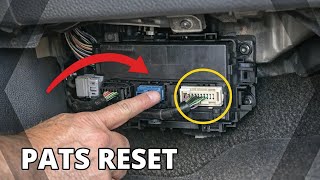
- DIY with FORScan: Advanced DIY mechanics with a FORScan license and a compatible OBD-II adapter can potentially perform the replacement, but it is complex and carries the risk of locking modules if done incorrectly. 🎬 Watch: Step-by-step BCM programming and PATS reset using FORScan
Buying a Used Body Control Module
A used OEM Body Control Module is a cost-effective alternative to a new part, but there are important considerations. Since programming is required, you are not just buying a part, but also paying for a complex service.
- Verify the Part Number: Before purchasing, ensure the ID number on the used module falls within the compatible range. The primary part number is often a service number like DV6T-14A073-Jx (where 'x' is a letter from A to G). The Ford sales part number is DV6Z-14A068-JG. While an exact match is best, a module from the same vehicle platform and year range is often programmable.
- Physical Inspection: When you receive the used module, inspect all connectors for bent, corroded, or pushed-out pins. Check for any signs of water damage, especially on units from a Ford Focus.
- Programming is Still Required: A used BCM is not plug-and-play. It must be programmed to your vehicle's VIN and security system. Be aware that some Ford dealers are reluctant to program used parts they did not sell. It is wise to confirm with your chosen installer that they are willing and able to program a customer-supplied used module before you buy it.
- Cloning Services: Some specialized companies offer a BCM cloning service. You send them your original module and a compatible used replacement. They transfer the programming and security data from your old module to the replacement, making it a true plug-and-play solution. This can be an excellent option if your original module is still partially readable.
Cost Comparison
The total cost of repair involves the part itself and the labor for installation and programming, which can be significant.
| Item | Estimated Cost |
|---|---|
| New OEM Module | $450 - $900 |
| New Aftermarket Module | Not commonly available |
| Used OEM Module | $50 - $200 |
| Remanufactured / Cloned Module | $250 - $450 |
| Shop Labor (Installation & Programming) | $250 - $800+ |
Note: Labor costs can vary widely based on shop rates and the complexity of the diagnosis and programming. Some dealers may charge several hours for the programming procedure alone.
Frequently Asked Questions (FAQ)
Can I drive my car with a bad BCM?
It depends on the symptoms. If the only issues are with convenience features like power windows or the radio, it may be drivable. However, if the BCM failure affects the headlights, wipers, turn signals, or causes a no-start condition or parasitic battery drain, the vehicle should be considered unsafe or unreliable to drive.
Do I really need two keys to replace the BCM?
Yes. The security relearn process (PATS Parameter Reset) requires two separate, already-programmed keys to be cycled in the ignition to prove ownership and complete the security handshake. Attempting the procedure with only one key will fail and can lock the new module.
Why did my new BCM not work and the car has no power?
This is a known issue addressed by Ford TSB SSM 47703. Your replacement BCM likely requires a 25-amp fuse to be installed in the F88 slot of the BCM's fuse panel. Many superseded parts require this fuse even though the original module did not have one there.
Can a locksmith program a new BCM?
Some automotive locksmiths with advanced diagnostic tools and subscriptions to services like NASTF may be able to program a BCM. However, this is more than just key programming; it requires module configuration (PMI). You must verify with the locksmith that they have the specific capability for a Ford BCM replacement, not just key cutting.
Helpful Videos

Technical Specifications
OEM Part Numbers: DV6T-14A073-GE DV6T-14A073-JA DV6T-14A073-JB DV6T-14A073-JC DV6T-14A073-JD DV6T-14A073-JE DV6T-14A073-JF DV6T-14A073-JG DV6Z14A068JG
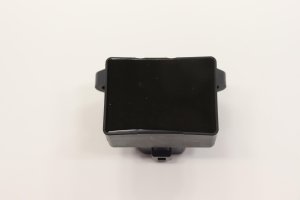
Integrated interior fuse panel and electronic control module assembly.
We Have This Part in Stock





The information in this article is provided for general reference and educational purposes only. Vehicle specifications, procedures, and part compatibility can vary by production date, trim level, and region. Always consult your vehicle's factory service manual and verify part numbers before purchasing or performing repairs. Safety-critical components such as airbags, seat belts, and braking systems should be installed by a qualified professional.
- Ford Escape:
- Ford Focus:
- Ford Transit Connect:
- 🎬 Helpful Videos
- 🛍️ Shop This Part
- Symptoms of a Failing BCM
- Known Issues, TSBs, and Recalls
- Technical Service Bulletin SSM 47703: No Power After BCM Replacement
- Ford Focus: Washer Fluid Contamination
- Related Recalls
- Replacement and Programming Requirements
- Programming Procedure Overview:
- Who Can Program the BCM?
- Buying a Used Body Control Module
- Cost Comparison
- Frequently Asked Questions (FAQ)
- 🎟️ Get 5% Off