

2002-2004 GM Body Control Module Failure: A Guide for Trailblazer, DeVille, Montana & More
Diagnosing the confusing electrical problems caused by a failed BCM and understanding the critical programming requirements for replacement.
- A replacement BCM is NOT plug-and-play. It must be programmed to your vehicle's VIN or cloned from your original module to function.
- Do not buy a standard used BCM from a junkyard without a plan for cloning. It is VIN-locked and cannot be reprogrammed by a dealer.
- The most common symptoms of failure are widespread, erratic electrical problems, parasitic battery drain, and no-start issues with the security light on.
- After installation, a 30-minute security relearn procedure is often required to allow the engine to start, which can be performed by the owner.
Symptoms of a Failing Body Control Module


A bad BCM often creates bizarre electrical issues that can make a vehicle seem possessed. Because the module controls so many different functions, you will likely experience multiple symptoms at once. 🎬 Watch: A breakdown of common BCM failure symptoms Before condemning the BCM, it's critical to first check all related fuses, ensure the battery is fully charged and healthy, and inspect for bad ground connections, as these can mimic BCM failure.
- Erratic Electrical Accessories: This is the most common sign. Power windows may not work, power locks might cycle on their own, the horn could honk randomly, or interior lights may stay on or not turn on at all.
- Instrument Cluster Malfunctions: Gauges may behave erratically or not work at all. Warning lights for various systems (ABS, Airbag, Security) may illuminate randomly or all at once, sometimes described as lighting up like a "Christmas tree".
- Parasitic Battery Drain: A faulty BCM can fail to shut down certain circuits when the vehicle is off, leading to a dead battery overnight or after a few days. This is one of the most frequently reported complaints.
- No-Start or Security Problems: The BCM is a key part of the vehicle's anti-theft system (Passkey III). A failure can prevent the BCM from recognizing the key's transponder, leading to a no-crank or start-and-stall condition. The security light will often be illuminated on the dash.
- Communication Lost Codes: A professional scan tool may show Diagnostic Trouble Codes (DTCs) like U0140 (Lost Communication With Body Control Module) or other "U" codes, indicating a network problem.
Known Issues, Recalls, and Vehicle-Specific Information

While the BCM itself has not been the subject of a direct recall on these vehicles, several related electrical issues have been noted.
- Pontiac Aztek, Buick Rendezvous, Pontiac Montana: These models are known to be particularly susceptible to BCM failure, exhibiting a wide range of electrical gremlins. Some owners have also reported water leaks that can lead to corrosion in electrical connectors, causing symptoms similar to BCM failure. A corroded connector block under the driver's seat is a known trouble spot on the Aztek.
- Chevrolet Trailblazer, GMC Envoy, Oldsmobile Bravada: A recall (NHTSA #05044) was issued for intermittent turn signal operation, but this was traced to the flasher module, not the BCM. Another recall (NHTSA #03V494000) addressed faulty windshield wiper modules that could fail due to water intrusion.
- Cadillac DeVille & Seville: A recall (NHTSA #04V199000) was issued for a software issue in the ABS/Traction Control module that required reprogramming, but this did not involve the BCM.
CRITICAL: Programming is Required. A replacement Body Control Module is NOT a plug-and-play part. It must be programmed to your vehicle's specific Vehicle Identification Number (VIN) and option content (RPOs). Failure to program the module will result in a no-start condition and/or malfunctioning accessories.
Buying a Used Body Control Module
This is the most important section for anyone considering a used BCM. Due to the anti-theft integration, you cannot simply take a BCM from a junkyard vehicle and install it in your own. The module is electronically locked to the original vehicle's VIN.
The Problem with Standard Used BCMs:
A used BCM pulled directly from a donor car is VIN-locked. A GM dealer or typical independent shop cannot reprogram a used BCM to match a new vehicle. If you install it, the anti-theft system will activate, preventing the engine from starting. While some accessories might work if the donor and recipient vehicles have identical options, it is not a reliable repair method.
Your Options for a Used BCM:
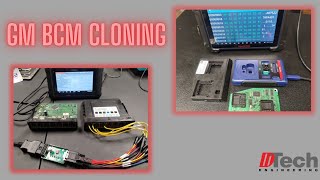
- Cloning Service (Recommended): This is the best option for using a recycled part. You send your original BCM and a compatible, used replacement BCM (with a matching part number) to a specialized service. They will copy all the critical data—VIN, key information, mileage, and option programming—from your old module to the replacement one. The cloned module is then returned to you as a plug-and-play part, often with no further programming needed, though a security relearn may still be required. This service typically costs between $120 and $200. This only works if your original module is still able to communicate.
- Pre-Programmed Modules: Some online retailers sell used or remanufactured BCMs that they will program to your vehicle's VIN before shipping. You provide your VIN at the time of purchase, and they handle the initial programming. This is another excellent DIY-friendly option.
Replacement and Programming Guide

The physical replacement difficulty varies by vehicle, but the electronic programming steps are universal.
BCM Location by Vehicle
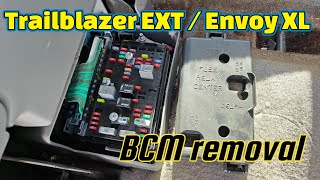
- 2003 Chevrolet Trailblazer, GMC Envoy, Oldsmobile Bravada: The BCM is part of the rear fuse block, located under the second-row seat on the driver's side. On standard wheelbase models, you can access it by folding the seat forward. On extended models (Trailblazer EXT, Envoy XL), the entire seat must be unbolted and removed for access. 🎬 See this walkthrough for removing a Trailblazer or Envoy BCM
- 2002-2004 Cadillac DeVille & Seville: The BCM is located in the passenger cabin, behind the kick panel in the front passenger's footwell.
- 2003-2004 Pontiac Montana & 2003 Buick Rendezvous: The BCM is located under the center console between the front seats. The console must be partially or fully removed to access it.
- 2003 Pontiac Aztek: The BCM is located under the center console.
Step 1: Install the BCM
Disconnect the negative battery terminal before starting. Carefully remove the panels required to access the BCM for your specific vehicle. Disconnect the electrical connectors, release the module from its mounting bracket, and install the replacement unit. Reconnect the connectors and the battery.
Step 2: Security Relearn Procedure (30-Minute Relearn)
If you installed a newly programmed or cloned BCM, the vehicle's anti-theft system needs to synchronize with it. This procedure is required if the car won't start and the security light is on.
- Turn the ignition key to the "ON" position (do not start the engine). The "Security" light on the instrument cluster should be on or flashing.
- Leave the key in the "ON" position for approximately 10-11 minutes, or until the "Security" light turns off.
- Turn the ignition key to "OFF" for 10 seconds.
- Repeat steps 1-3 two more times, for a total of three 10-minute cycles.
- After the third cycle, turn the key to "OFF". The vehicle has now learned the new BCM's password. The engine should now start and run. 🎬 Watch: A visual guide to the 30-minute security relearn procedure
Pro Tip: Make sure your vehicle's battery is fully charged or connected to a battery charger during the 30-minute relearn procedure. A drop in voltage can interrupt the process and cause it to fail.
Cost of Replacing a Body Control Module
Prices can vary significantly based on the part source and labor rates.
| Part/Service | Estimated Cost | Notes |
|---|---|---|
| New OEM BCM | $350 - $600+ | Part only. Must be programmed by a dealer or qualified shop. |
| Remanufactured BCM | $175 - $300 | A good alternative to new. Must be programmed. |
| Used (Recycled) OEM BCM | $50 - $150 | Part only. Requires a cloning service or pre-programming to function. |
| Dealer/Shop Programming | $150 - $250 | Labor to program a new or remanufactured module to your VIN. |
| Cloning Service | $120 - $200 | Mail-in service to make a used part plug-and-play. |
| Shop Labor (Installation) | $100 - $300 | Depends on BCM location. Trailblazer EXT/Envoy XL will be on the higher end. |
Frequently Asked Questions (FAQ)
Can I drive my car with a bad BCM?
Maybe, but it is not recommended. If the failure affects essential systems like headlights, brake lights, or wipers, the vehicle is unsafe to drive. If the BCM is causing a no-start condition or random stalling, the vehicle is unreliable. Driving with a faulty BCM can leave you stranded.
Do I have to go to the dealer to replace my BCM?
Not necessarily. While a dealer can always perform the repair, you have other options. An independent shop with the proper GM diagnostic tools (Tech 2 or a J2534 device with an ACDelco TDS subscription) can program a new module. For a DIY repair, the best option is to use a mail-in cloning service with a used part or purchase a pre-programmed module.
Will a used BCM from the exact same model work without programming?
No. Even if the donor vehicle is the same year, make, model, and trim, the BCM is electronically locked to the original vehicle's VIN. It will not work correctly and will likely prevent your car from starting due to the anti-theft system. It must be cloned or programmed.
My mechanic says my BCM is bad, but there are no codes. Is that possible?
Yes. It is possible for a BCM to fail or cause significant electrical problems without setting a specific trouble code. The module might be partially functional or failing in a way that doesn't trigger a self-diagnostic fault. Diagnosis in these cases relies on observing the symptoms and systematically ruling out other causes like fuses, wiring, and grounds.
Helpful Videos
Technical Specifications
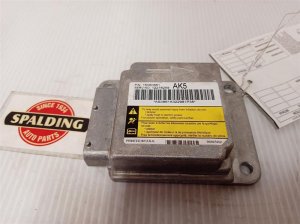
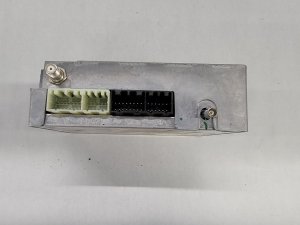
OEM Part Numbers: 12451210 15181835 25737700 25740426 25742967 25751433 25765618 25772965 15114669 15191621
This module is for vehicles equipped with the OnStar system (RPO code UE1). For Cadillac DeVille and Seville models, it fits vehicles without the mobile telephone provision.
We Have This Part in Stock




The information in this article is provided for general reference and educational purposes only. Vehicle specifications, procedures, and part compatibility can vary by production date, trim level, and region. Always consult your vehicle's factory service manual and verify part numbers before purchasing or performing repairs. Safety-critical components such as airbags, seat belts, and braking systems should be installed by a qualified professional.
- Chevrolet Trailblazer:
- Cadillac DeVille:
- GMC Envoy:
- Pontiac Montana:
- Cadillac Seville:
- Oldsmobile Bravada:
- Chevrolet Trailblazer EXT:
- GMC Envoy XL:
- Buick Rendezvous:
- Pontiac Aztek:
- Saturn Ion:
- 🎬 Helpful Videos
- 🛍️ Shop This Part
- Symptoms of a Failing Body Control Module
- Known Issues, Recalls, and Vehicle-Specific Information
- Buying a Used Body Control Module
- Replacement and Programming Guide
- BCM Location by Vehicle
- Step 1: Install the BCM
- Step 2: Security Relearn Procedure (30-Minute Relearn)
- Cost of Replacing a Body Control Module
- Frequently Asked Questions (FAQ)
- 🎟️ Get 5% Off