

GM OnStar Module (VCIM) Failure: 2002-2006 TrailBlazer, Envoy, SRX & More
This guide explains common issues with the OnStar Vehicle Communication Interface Module (VCIM), often mistaken for the BCM, in many 2002-2006 GM trucks and SUVs.
- This part is the OnStar Vehicle Communication Interface Module (VCIM), not the main Body Control Module (BCM).
- The most common failure is a parasitic battery drain because the obsolete module is constantly searching for a defunct cellular network.
- For battery drain issues, the best and cheapest solution is often to simply disconnect the module or pull its fuse.
- A replacement module, new or used, MUST be programmed to the vehicle's VIN by a dealer or specialist, or the vehicle will not start.
Understanding the OnStar VCIM vs. the BCM

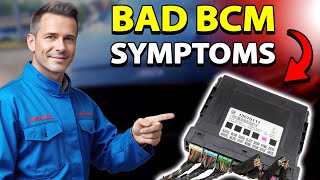
Many owners experiencing strange electrical problems may suspect a failure of the Body Control Module (BCM), which manages features like power windows, locks, and lights. However, in the listed GM vehicles, the part that frequently causes issues is the separate OnStar module, officially called the Vehicle Communication Interface Module (VCIM). While a failing BCM can cause widespread electrical chaos, a failing VCIM has its own unique set of symptoms, often related to communication network errors and parasitic battery drain. Because all modules are connected on a data network, a problem with the VCIM can sometimes cause symptoms that appear to be BCM-related.
Symptoms of a Failing OnStar VCIM


When this module fails, it can cause several distinct issues. Look for these signs of a hardware or communication failure:
- Parasitic Battery Drain: A very common symptom is a dead battery after the vehicle sits for a few hours or overnight. The obsolete module can get stuck searching for a cellular network that no longer exists, preventing it from entering a low-power sleep mode and draining the battery.
- "Unknown Driver" Message: On the GMT360 platform (TrailBlazer, Envoy, etc.), a failing VCIM can lead to an "Unknown Driver" message in the Driver Information Center (DIC).
- Inoperative Features: You may experience intermittent or total loss of function for features that communicate through the data bus, such as the radio, key fob, power locks, or even the rear wiper.
- Communication Loss with Scan Tools: A technician may find they cannot communicate with various modules in the vehicle. A failing VCIM can broadcast junk data on the network, disrupting communication between all modules. This can generate a host of 'U' codes, like U0140 (Lost Communication with Body Control Module).
- No Crank / No Start: In severe cases, if the VCIM's failure disrupts communication with the Powertrain Control Module (PCM) or the anti-theft system, the vehicle may refuse to crank or start.
Known Issues, Recalls, and Technical Service Bulletins (TSBs)

While this specific OnStar module doesn't have many direct recalls, the vehicles it fits have had several related electrical issues. It's important to rule these out during diagnosis.
- NHTSA Recall 05044 (Turn Signals): Certain 2003-2004 TrailBlazer, Envoy, Bravada, and 2004 Rainier models were recalled for a faulty flasher relay module that could cause turn signals to work incorrectly. This is a separate issue from the VCIM/BCM but involves vehicle electronics.
- Driver's Door Module Corrosion: Many of these GM SUVs, including the Buick Rainier, were subject to recalls and TSBs for water intrusion into the driver's door master window switch, which could cause shorts, overheating, and strange electrical behavior.
- Grounding Issues: TSB #040525002 for the Buick Rainier notes that a bad ground for the Electronic Brake Control Module (EBCM) could cause ABS lights and communication DTCs. Poor grounds are a common source of electrical gremlins on these vehicles and should always be checked.
Pro Tip: Before replacing any module, thoroughly check all relevant fuses and have the battery and charging system tested. A weak battery or poor connections can mimic module failure. Also, inspect for common problem areas like water leaks near the module or damaged wiring harnesses.
Buying a Used OnStar VCIM
Given that the OnStar service for these modules is obsolete, replacing a failed one is often not recommended. The most common and effective solution is to simply disconnect the faulty module. However, if a replacement is necessary to restore network communication, here's what to look for:
- Verify the Part Number: Match the part number from your original module exactly. While many of these modules look similar, they are not always interchangeable.
- Physical Inspection: Check the used module for any signs of water damage, corrosion on the pins, or cracks in the casing. Do not buy a module that shows signs of environmental damage.
- Programming Is Required: This is the biggest challenge. A used VCIM is locked to the VIN of the vehicle it came from. It cannot simply be swapped into your vehicle. It must be programmed by a dealer or a specialized shop with the proper tools like a GM Tech 2 and access to GM's Service Programming System (SPS). Some services can "clone" your old module's data to a used one, but this requires sending both units to them.
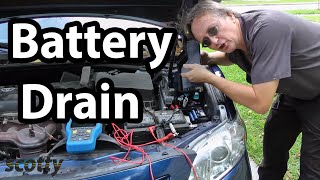
- The "Disconnect" Option: For many owners, the best fix for a parasitic drain caused by a faulty VCIM is to simply unplug it or pull its dedicated fuse. This permanently solves the battery drain issue with no cost. 🎬 Watch how to safely disconnect your vehicle's OnStar system The only downside is the loss of OnStar functions, which are already defunct on these older units.
Programming and Installation
Warning: This module requires programming to your vehicle's VIN. A used module cannot be installed without being reprogrammed by a dealer or a specialist with a GM Tech 2 or equivalent J2534 pass-thru device and an active subscription to GM's programming services. Attempting to install a non-programmed module will likely result in a no-start condition and communication errors.
If you install a replacement module (new or reprogrammed used), several relearn procedures may be necessary:
- Vehicle Anti-Theft Relearn: This is often called the "30-minute relearn." It involves cycling the key in the ignition multiple times over a 30-minute period to sync the new module with the vehicle's immobilizer system.
- SDM Key Setup: After replacing a BCM or VCIM, the airbag light may stay on, and a B1001 code may be set. This requires a scan tool to perform the "Setup SDM Primary Key in BCM" function 🎬 See how to perform a 30-minute relearn and SDM setup to re-establish communication between the modules.
- Crankshaft Position Variation Learn: On some models like the Cadillac XLR, replacing a major control module can trigger a code that requires a crankshaft position sensor relearn procedure to be performed with a scan tool.
Cost to Replace the OnStar VCIM
| Item | Estimated Cost |
|---|---|
| New OEM Module | $350 - $800+ (often discontinued) |
| Used OEM Module | $40 - $150 |
| Shop Labor (Diagnosis & Installation) | $115 - $250 |
| Dealer Programming | $150 - $250 |
| Disconnecting the Module | $0 (DIY) - $130 (1 hour of shop labor) |
Frequently Asked Questions (FAQ)
Can I just unplug this module?
Yes. If the primary symptom is a parasitic battery drain, unplugging the module (or its fuse) is the most common and effective fix. This will not affect the vehicle's ability to run, and since the OnStar services are obsolete anyway, there is no loss of functionality.
Is this the same as the Body Control Module (BCM)?
No. This is the Vehicle Communication Interface Module (VCIM) for the OnStar system. The main BCM is a separate part. On the TrailBlazer/Envoy platform, the BCM is located under the rear driver's-side passenger seat, often attached to the fuse block.
Can an independent mechanic or locksmith program a used module?
Some can, but not all. They must have a compatible J2534 pass-thru device (like a GM MDI 2 or a VCX Nano) and a paid subscription to GM's online programming service (ACDelco TDS). It's essential to call and confirm they have this specific capability before bringing the vehicle to them. Many shops will only program new modules they supply.
Why do my windows, locks, and radio not work? Is that this module?
It could be. While those are classic BCM symptoms, a faulty VCIM can disrupt the data network that all the modules use to communicate. When the network is down, the BCM can't receive commands from switches, causing those functions to fail. Diagnosing the data network with a proper scan tool is necessary to pinpoint the faulty module.
Helpful Videos




Technical Specifications
OEM Part Numbers: 10394074 10396911 12451209 12451437 15098277 15795953 15812977 15952361 19115461 19115774 22705039 89047017
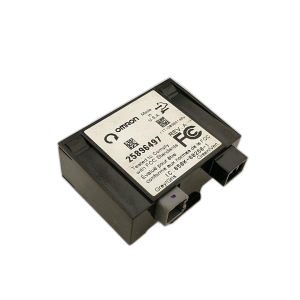
OnStar Vehicle Communication Interface Module (VCIM) with RPO Code UE1. Operates on the GM Class 2 data bus network. Utilizes obsolete 2G analog cellular technology.
We Have This Part in Stock





The information in this article is provided for general reference and educational purposes only. Vehicle specifications, procedures, and part compatibility can vary by production date, trim level, and region. Always consult your vehicle's factory service manual and verify part numbers before purchasing or performing repairs. Safety-critical components such as airbags, seat belts, and braking systems should be installed by a qualified professional.
- Cadillac SRX:
- Chevrolet TrailBlazer:
- Cadillac DeVille:
- GMC Envoy:
- Cadillac XLR:
- Pontiac Montana:
- Oldsmobile Bravada:
- Buick Rainier:
- Chevrolet TrailBlazer EXT:
- GMC Envoy XL:
- Buick Rendezvous:
- Chevrolet Uplander:
- Buick Terraza:
- Pontiac Aztek:
- GMC Envoy XUV:
- Saturn Ion:
- Saturn Relay:
- Saturn L-Series:
- 🎬 Helpful Videos
- 🛍️ Shop This Part
- Understanding the OnStar VCIM vs. the BCM
- Symptoms of a Failing OnStar VCIM
- Known Issues, Recalls, and Technical Service Bulletins (TSBs)
- Buying a Used OnStar VCIM
- Programming and Installation
- Cost to Replace the OnStar VCIM
- Frequently Asked Questions (FAQ)
- 🎟️ Get 5% Off