

Bentley Continental & Flying Spur BCM Bracket: Preventing Costly Electrical Failure (2012-2019)
This simple bracket secures your Bentley's expensive Body Control Module in a water-prone area, making its condition critical for avoiding thousands in repair bills.
- The BCM is located in the passenger footwell, a high-risk area for water damage; the bracket is essential for keeping it secure and dry.
- A failed bracket can cause vibration that leads to intermittent electrical faults and eventually destroys the expensive BCM.
- When buying a used bracket, inspect it carefully for cracks, corrosion, and straightness. It's a cheap part that protects an expensive one.
- Symptoms of a bad bracket include rattling from the passenger dash and the same electrical glitches caused by a failing BCM.
The Critical Role of the BCM Bracket
On the 2012-2018 Bentley Continental and 2014-2019 Bentley Flying Spur, the Body Control Module (BCM) — the central computer for most of the car's comfort and convenience features — is located in the passenger-side footwell, near the firewall. This area is notoriously vulnerable to water intrusion from clogged plenum drains or windshield seals. A failure of the BCM can cause widespread, baffling electrical problems and render the vehicle inoperable. The BCM bracket is the unsung hero that holds this expensive module in place, protecting it from the two things that kill electronics: vibration and moisture. A cracked, corroded, or missing bracket can lead directly to the failure of a BCM that costs thousands to replace.
Warning: The BCM and its related relays are housed in a box in the passenger footwell. If this box is not securely fastened by a healthy bracket, it can shift, allowing water to seep in and destroy the expensive electronics inside.
Symptoms of a Failing Body Control Module Bracket
A failing bracket won't set a check engine light. Instead, it creates physical problems that can lead to electronic symptoms. Be suspicious of the bracket if you notice:
- Rattling or Clunking Noises: A distinct rattling, buzzing, or clunking sound coming from the passenger side dashboard or footwell area, especially when driving over rough roads. This could be the sound of the loose BCM assembly vibrating against the chassis or other components.
- Intermittent Electrical Gremlins: As the BCM and its connectors vibrate, you may experience flickering lights, windows that stop working, erratic alarm behavior, or random warning lights on the dash. These are classic symptoms of a failing BCM, but they can be caused by a loose connection from a broken bracket long before the module itself fails.
- Visible Corrosion or Damage: If you have recently dealt with a water leak in the passenger footwell, it is critical to inspect the BCM bracket for rust or corrosion. A corroded bracket can weaken and fail, leaving the BCM unsecured.
Buying a Used Body Control Module Bracket
This is an ideal part to source from a used or recycled OEM supplier. There is no functional difference between a new bracket and a used one in good condition, but the cost savings can be significant. Here’s what to look for:
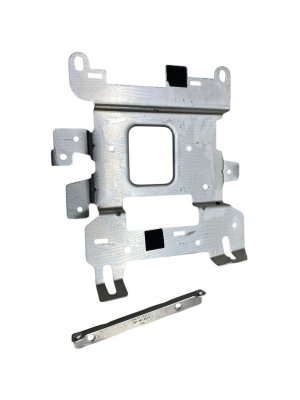
- Check for Cracks: Carefully inspect the entire bracket, especially around the mounting holes and any bends in the metal or plastic. Look for hairline cracks that indicate stress. A compromised bracket will not hold the BCM securely.
- Inspect for Corrosion: Surface rust on a steel bracket is often cosmetic, but heavy, flaking rust is a major red flag. If the bracket is aluminum, look for any white, chalky oxidation. A corroded bracket should be avoided, as it may have lost its structural integrity.
- Verify All Mounting Points: Ensure all tabs, holes, and clips are present and intact. Compare the used part to photos of a new one or the one currently in your vehicle. A missing mounting point will make a secure installation impossible.
- Straightness: Lay the bracket on a flat surface. It should sit flush without any significant rocking or warping. A bent bracket, likely from a vehicle in a collision, will not align properly with the mounting points on the chassis and the BCM.
Pro Tip: When buying a used bracket, consider it a piece of cheap insurance. You are spending a small amount of money to protect a BCM that can cost over a thousand dollars. Don't cut corners; choose a part that is in excellent physical condition.
Installation and Replacement
Replacing the BCM bracket requires accessing the Body Control Module in the passenger footwell. This typically involves:
- Disconnecting the vehicle's battery to prevent electrical shorts.
- Removing the passenger-side floor mat and carpeting.
- Removing trim panels and the glove box to gain access to the BCM's protective case.
- Unscrewing the BCM case cover (reportedly held by 5 screws) to expose the module and its bracket.
- Carefully unplugging the BCM wiring harnesses.
- Unbolting the old bracket from the chassis and the BCM.
- Swapping the bracket and reinstalling in reverse order.
While not mechanically complex, the number of trim pieces to remove can make the job tedious. No special programming is required to replace just the bracket.
| Cost Comparison | |
|---|---|
| New OEM Bracket | $75 - $150 (estimate) |
| Used OEM Bracket | $25 - $60 |
| Shop Labor to Install | $150 - $300 |
| Cost of BCM (for comparison) | $800 - $2,000+ (new or used) |
Frequently Asked Questions (FAQ)
Why should I replace a simple piece of metal or plastic?
Because that simple part is responsible for protecting one of the most expensive and complex electronic modules in your vehicle. A failed bracket can lead to a failed BCM due to vibration or water damage, turning a $50 problem into a $2,500+ repair bill when factoring in parts, labor, and programming for a new module.
Where is the BCM bracket located on my Bentley Continental or Flying Spur?
It is located in the front passenger footwell, attached to the chassis, and holds the Body Control Module inside its protective case, up against the firewall.
Can a bad bracket cause my car not to start?
Indirectly, yes. If the bracket allows the BCM or its wiring to become damaged, it can lead to a no-start condition. The BCM is often involved in the vehicle's security and immobilizer system.
Do I need to program my car after replacing the bracket?
No. The bracket itself is a simple structural part with no electronics. Programming is only required if you replace the Body Control Module itself.
Technical Specifications
OEM Part Numbers: 3W7907324C (Note: Often misidentified; this number may correspond to an air quality sensor) 3W7907509A (Note: Verification is difficult; visual match is recommended)
Material: Typically stamped steel or high-strength molded plastic. Function: Secures the Body Control Module to the vehicle chassis in the passenger footwell.
We Have This Part in Stock

The information in this article is provided for general reference and educational purposes only. Vehicle specifications, procedures, and part compatibility can vary by production date, trim level, and region. Always consult your vehicle's factory service manual and verify part numbers before purchasing or performing repairs. Safety-critical components such as airbags, seat belts, and braking systems should be installed by a qualified professional.
- Bentley Continental:
- Bentley Flying Spur: