

2022-2025 BMW Body Domain Controller (BDC) Issues: X3, X5, iX, 7 Series & More
This guide covers the widespread electrical problems caused by a failing Body Domain Controller (BDC) in modern BMWs and explains the critical programming required for replacement.
- A replacement Body Domain Controller (BDC) MUST be programmed. It is not a plug-and-play part due to its integrated anti-theft functions.
- The most cost-effective repair is to buy a used BDC with a matching part number and pay a mail-in service to 'clone' your original module's data onto it.
- The most common cause of BDC failure is water damage, as the module is located in the vulnerable front passenger footwell area.
- Symptoms of a bad BDC are widespread and confusing, often including a no-start condition, random electrical faults, and severe battery drain.
Understanding the Body Domain Controller (BDC) in Late-Model BMWs
The Body Domain Controller (BDC) is the master computer for nearly all non-engine-related functions in many 2022-2025 BMWs, including the 2024-2025 BMW X5, 2025 BMW X3, 2024-2025 BMW 740i, 2022-2025 BMW X6, 2024-2025 BMW 530i, 2024-2025 BMW 540i, 2022-2025 BMW X7, 2022-2025 BMW iX, 2024-2025 BMW i5, and 2024-2025 BMW i7. It consolidates the roles of multiple older modules into one central unit, managing everything from your headlights and wipers to keyless entry and starting the car. Due to its central role, a BDC failure can be crippling, leading to a variety of strange electrical symptoms that can be difficult to diagnose.
Important: The information regarding crash data in the initial prompt appears to be a common point of confusion. While the BDC is a central safety-related component, significant crash data is typically stored in the dedicated Advanced Crash Safety Module (ACSM) or SRS module. However, a faulty BDC can absolutely prevent safety systems from operating correctly.
Symptoms of a Failing Body Domain Controller
A failing BDC rarely causes a single, isolated issue. Instead, owners typically experience a cascade of seemingly unrelated electrical problems. These symptoms can appear progressively or all at once.
- No-Start Condition / Key Not Recognized: This is one of the most common and severe symptoms. The BDC is a core part of the anti-theft system, and if it fails, it can no longer validate the key, preventing the engine from cranking.
- Widespread Electrical Failures: You may notice a random loss of functions. This includes power windows that won't open or close, central locks failing, windshield wipers activating on their own or not working at all, and erratic lighting behavior.
- iDrive, Audio, and Dashboard Malfunctions: The BDC can cause the main iDrive screen to go blank, loss of audio, and a cluster of unrelated warning lights to appear on the dashboard simultaneously (like ABS, traction control, and check engine lights).
- Severe Parasitic Battery Drain: A well-known issue is a faulty BDC preventing the vehicle from entering its low-power "sleep mode." This causes a significant current draw that can drain a healthy battery overnight.
- Communication Faults: When a technician scans the vehicle with a diagnostic tool, a bad BDC will often show a loss of communication with numerous other control modules. A common code is U0140 (Lost Communication With Body Control Module).
Common Causes of Failure
- Water Intrusion: The leading cause of BDC failure is water damage. The module is often located in the front passenger footwell, making it vulnerable to water from clogged sunroof drains, leaking windshield seals, or other body leaks. Always check for damp carpets in this area if you suspect a BDC issue.
- Software Corruption: Failed programming or coding attempts with aftermarket tools can corrupt the BDC's software, rendering it inoperable.
- Internal Hardware Failure: Though less common on newer vehicles, internal components like capacitors can fail. 🎬 Watch: Inside look at common BDC hardware failures An earlier recall (NHTSA 18V-652) for some 2019 X5 models was due to faulty capacitors within the BDC that could short-circuit and pose a fire risk.
Buying a Used Body Control Module: What You MUST Know
Purchasing a used BDC is a viable way to save money, but it is not a simple plug-and-play repair. Failure to follow the correct procedure will result in a vehicle that does not start.
Critical Warning: You cannot simply install a used BDC from another vehicle. The BDC is a security component locked to the original car's Vehicle Identification Number (VIN), immobilizer data (ISN), and keys. Installing a non-programmed module will activate the anti-theft system and prevent the car from starting.
The Cloning Process
The only way to use a recycled BDC is through a process called 'cloning'. This involves transferring the critical security data from your original (faulty) BDC to a compatible used (donor) BDC.
- Purchase a Compatible Donor Module: You must find a used BDC with a part number that exactly matches your original module. Do not rely on visual similarity.
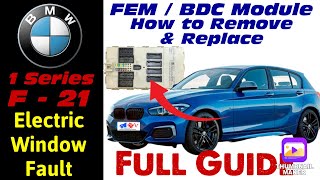
- Send Modules to a Specialist: You will need to send your original BDC, the donor BDC, and at least one of your vehicle's keys 🎬 See this walkthrough on removing and reprogramming the module to a reputable mail-in cloning service. Some services may also require the engine computer (DME).
- Data Transfer: The specialist uses specific tools to read the VIN, key data, and immobilizer information from your original module and write it onto the donor module. This makes the donor an exact electronic copy of the original.
- Installation: Once you receive the cloned module back, it can be installed in the vehicle, and it will function without any further programming required from a dealer.
Inspecting a Used BDC
- Verify the Part Number: This is the most critical step. The part number on the label must match your original module.
- Check for Water Damage: Carefully inspect the casing and connector pins for any signs of white or green corrosion, water marks, or rust. Reject any module that shows evidence of past water exposure.
- Buy from a Reputable Source: Purchase from an established recycled parts retailer that offers a warranty and clear photos of the part you are buying.
Programming and Replacement Requirements
Replacing a BDC is a complex task that requires specialized knowledge and tools.
- New BDC from Dealer: If you purchase a brand-new BDC from a BMW dealer, it arrives as a 'virgin' module. It MUST be installed and then programmed to your vehicle using BMW's ISTA software. This is a lengthy and expensive process that can only be performed by a dealer or a highly specialized independent shop.
- Used (Cloned) BDC: As described above, a cloned BDC is the most cost-effective solution for the DIYer or independent shop. No dealer visit is required after installation.
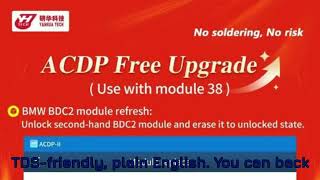
- Independent Specialists: Some independent shops and mail-in services have advanced tools (like Autohex II or Yanhua ACDP2 🎬 Watch: Professional guide to reflashing a G-Series BDC) that can unlock, erase, and reprogram used BDC modules, making them like new. This is what enables the cloning process.
Pro Tip: Even if your original BDC is non-communicative due to water damage, a professional cloning service can often still extract the necessary data from it. Do not throw away your original module until the cloning process is complete.
Cost Comparison for BDC Replacement
| Item or Service | Estimated Cost | Notes |
|---|---|---|
| New OEM BDC (Part Only) | $1,200 - $1,500 | Price from a BMW dealership parts department. |
| Used OEM BDC (Part Only) | $150 - $400 | Price from online recycled parts retailers. |
| BDC Cloning Service (Mail-in) | $250 - $550 | Cost to transfer data from your old module to a donor. |
| Shop Labor (Physical Swap) | $200 - $400 | Labor to remove and replace the module. Does not include programming. |
| Total Dealer Replacement (New Part) | $2,000 - $3,300+ | Includes new part, installation, and dealer programming. |
| Total Used/Cloned Replacement | $600 - $1,350 | Includes used part, cloning service, and shop labor for installation. |
Known Issues, Recalls & Technical Service Bulletins (TSBs)
While these are newer vehicles, a few issues have been documented:
- NHTSA Recall 18V-652 / 19V-850: Affecting a small number of 2019 BMW X5 models, this recall was for BDCs manufactured with faulty capacitors that could short circuit and overheat, increasing fire risk. The remedy was to replace the BDC unit.
- TSB B610123: This TSB addresses a software issue on some 2023 models where the BDC fails to let the vehicle enter sleep mode, causing the 12-volt battery to drain. The fix is a software update (reprogramming) of the BDC.
- Other Recalls: While not directly for the BDC, other recalls exist for these models. For example, a recall for 2024-2025 X5s involves an incorrect tire information placard, and a recall for a small number of 2026 X5/X6/X7 models involves an instrument panel defect affecting airbag deployment. Always check the NHTSA website with your VIN for the latest recall information.
Frequently Asked Questions (FAQ)
Can I install a used BDC myself?
You can physically install it, but the car will not start or function correctly until it is programmed. The most practical approach is to buy a matching used BDC, send it with your original module to a cloning service, and then install the cloned module yourself.
Is a BDC the same as a FEM (Front Electronic Module)?
The BDC is the successor to the FEM. They perform very similar functions, but the BDC is used in the newer generation of BMWs (G-chassis and later) covered in this guide. The replacement and programming principles are nearly identical.
Does a new BDC have to be programmed by a BMW dealer?
Yes. A new, 'virgin' BDC must be programmed online by a BMW dealer or a specialist with dealer-level tools like ISTA/P. An independent shop without these specific tools cannot program a new module. This is why cloning a used module is often preferred.
Where is the BDC located?
The Body Domain Controller is typically located in the front passenger-side footwell area, often behind the kick panel or trim near the A-pillar. This location makes it particularly vulnerable to water damage from clogged drains or leaks.
Helpful Videos
Technical Specifications
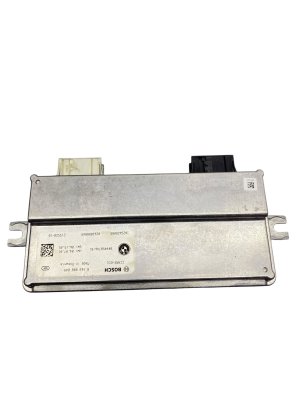
OEM Part Numbers: 5B5A0E5 65775B5A0E5 61359438729 61358733499 61358709210 61358707674 61358781415 61359868380 61356843893 61356824378 61355A0BB61
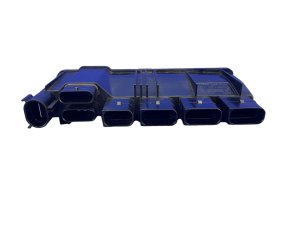
The Body Domain Controller (BDC) is the central computer for body electronics, integrating functions of the Car Access System (CAS), Footwell Module (FRM), Junction Box Electronics (JBE), and the central gateway (ZGM). It manages the immobilizer, lighting, comfort access, and communicates across the vehicle's data networks (e.g., FlexRay).
We Have This Part in Stock



The information in this article is provided for general reference and educational purposes only. Vehicle specifications, procedures, and part compatibility can vary by production date, trim level, and region. Always consult your vehicle's factory service manual and verify part numbers before purchasing or performing repairs. Safety-critical components such as airbags, seat belts, and braking systems should be installed by a qualified professional.
- BMW X5:
- BMW X3:
- BMW 740i:
- BMW X6:
- BMW 530i:
- BMW 540i:
- BMW X7:
- BMW iX:
- BMW i5:
- BMW i7:
- BMW 750e:
- 🎬 Helpful Videos
- 🛍️ Shop This Part
- Understanding the Body Domain Controller (BDC) in Late-Model BMWs
- Symptoms of a Failing Body Domain Controller
- Common Causes of Failure
- Buying a Used Body Control Module: What You MUST Know
- The Cloning Process
- Inspecting a Used BDC
- Programming and Replacement Requirements
- Cost Comparison for BDC Replacement
- Known Issues, Recalls & Technical Service Bulletins (TSBs)
- Frequently Asked Questions (FAQ)
- 🎟️ Get 5% Off