

2020-2025 Audi & VW Fuel Pump Control Module: Stalling, No-Start & Programming Guide
This guide covers the common failure symptoms, diagnosis, and critical programming requirements for the fuel pump control module (part #5wa906121) found in modern AWD Audi and Volkswagen models.
- This part is a Fuel Pump Control Module (FPCM), NOT a Body Control Module (BCM). It causes stalling and no-start issues.
- A replacement module (new or used) MUST be programmed to the vehicle by a dealer or specialist due to an anti-theft system called Component Protection.
- The most dangerous symptom is the engine stalling suddenly while driving. If you suspect a failure, do not drive the vehicle.
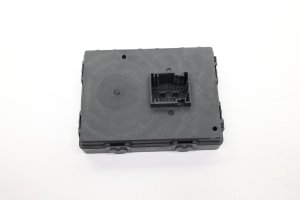
- The module is located under the rear seat cushion. When buying used, match part number 5wa906121 exactly and inspect for any signs of melting or corrosion.
Is This a Body Control Module (BCM)?

No. The initial information provided for this part was incorrect. The part number 5wa906121 is a Fuel Pump Control Module (FPCM), not a Body Control Module (BCM). The FPCM specifically manages the in-tank fuel pump, while the BCM handles body electronics like lights, windows, and locks. If your car is stalling, hesitating, or won't start, the FPCM is a potential cause, not the BCM.
Vehicle Fitment

This fuel pump control module is used on specific all-wheel-drive (AWD) models equipped with either a 2.0L or 2.5L turbocharged engine. Always verify compatibility by matching the part number from your original module before ordering.
- 2022-2024 Audi S3
- 2022-2024 Audi RS3
- 2022-2025 Volkswagen Golf R
- 2020-2022 Audi TT RS Quattro
Symptoms of a Failing Fuel Pump Control Module

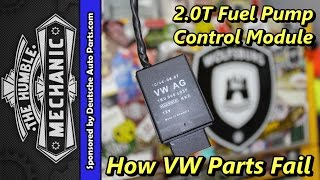
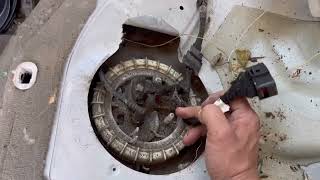
A failing FPCM can be difficult to diagnose because its symptoms often mimic a bad fuel pump. The module can fail from overheating, 🎬 See how a failing controller causes stalling and long cranks causing internal components on the circuit board to burn out. When it fails, it can no longer provide the correct voltage to the fuel pump, leading to fuel starvation.
- Engine Cranks but Will Not Start: The starter will turn the engine over, but it won't fire up because there is no fuel pressure.
- Sudden Engine Stalling: The most dangerous symptom. The engine may stall without warning while driving, including at highway speeds. The car may restart after it has cooled down, only to stall again later.
- Hesitation or Sputtering Under Acceleration: When you press the gas, the car may stumble or lose power because the fuel pump can't keep up with the engine's demand.
- Check Engine Light: A failing module will often trigger a Check Engine Light. A common fault code is P025A - Fuel Pump Module Control Circuit/Open, which indicates the main computer has lost communication with or detected a fault in the FPCM's circuit.
- Module is Hot to the Touch: On many of these vehicles, the module is located under the rear seat. If you can access it after the car has been running, a module that is extremely hot is a strong sign of internal failure.
Pro Tip: Before assuming the module is bad, check all related fuses and ensure the vehicle's battery is fully charged and in good health. Low system voltage on modern Audis and Volkswagens can cause various electronic modules to behave erratically.
Known Issues, TSBs, and Recalls
As of early 2026, there are no active safety recalls on the NHTSA database specifically for the fuel pump control module (5wa906121) on the 2020-2025 vehicles listed in this guide. Searches for the 2022 Audi S3, 2023 VW Golf R, and other models show recalls for other components like seatbelts, rearview cameras, and radiator mounts, but not the FPCM.
Replacement and Programming Requirements


Module Location
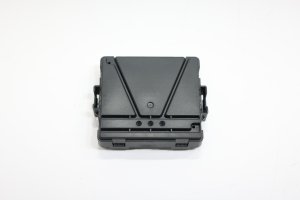
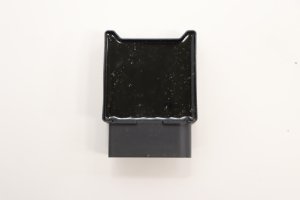
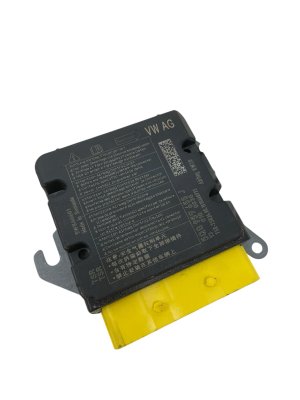
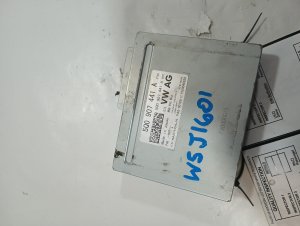
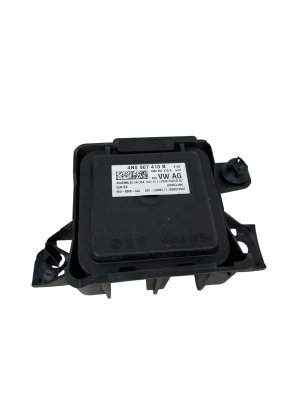
On most of these Audi and VW models, the fuel pump control module is located under the rear seat cushion, typically on the passenger side. You will need to remove the rear seat bench to access a plastic or metal cover. The module is a small black box mounted near or on this cover. On some models, it may be tucked between the floorpan and the fuel tank, requiring you to feel for the wiring harness to locate it.
The #1 Buyer Question: Does It Need Programming?
Warning: Yes, a replacement Fuel Pump Control Module—whether new or used—MUST be programmed to the vehicle. It will not work correctly by simply plugging it in.
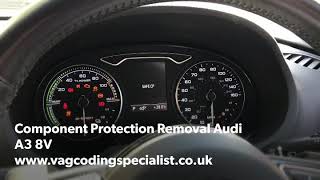
Modern Volkswagen and Audi vehicles use a sophisticated anti-theft system called Component Protection (CP). This system links critical electronic modules, including the FPCM, to the car's unique Vehicle Identification Number (VIN). When you install a module from another vehicle, the system detects the mismatch and activates Component Protection, disabling the part's function.
To remove Component Protection, the module must be adapted to your vehicle using a dealer-level diagnostic tool (like ODIS) with a live connection to VW/Audi's factory servers. This procedure can only be performed by:
- A VW or Audi dealership service center.
- A qualified independent specialist shop that subscribes to the necessary online diagnostic systems.
The physical part replacement is simple for a DIYer, but the vehicle will not be drivable until the programming is completed. You must factor in the cost of towing and programming when considering a DIY installation.
Buying a Used Fuel Pump Control Module
Buying a used OEM fuel pump control module is a great way to save money, as the part itself has no moving components. However, there are critical things to consider:
- Match the Part Number Exactly: Ensure the part number on the used module (e.g., 5wa906121) is identical to your original. While there may be revised part numbers, sticking to the original is the safest bet.
- Inspect for Damage: Do not buy a module with any signs of a melted casing, corrosion on the pins, or physical damage. Overheating is a common failure mode, and a melted case is a dead giveaway.
- Budget for Programming: Remember that even a perfectly functional used module will not work until Component Protection is removed by a dealer or specialist. Factor this mandatory cost into your budget.
- Why Used OEM is a Good Choice: Aftermarket electronic modules for these vehicles can be unreliable. A used, genuine OEM module that has been tested is often a more dependable and affordable option than a new aftermarket part.
Cost to Replace Fuel Pump Control Module
| Part or Service | Estimated Cost |
|---|---|
| New OEM Module | $160 - $250 |
| Used OEM Module | $50 - $120 |
| Shop Labor (Physical Install) | $100 - $180 |
| Shop Labor (Programming) | $150 - $300 |
| Total Estimated Cost (Installed) | $300 - $730 |
(Prices are estimates as of 2026 and can vary by location and supplier.)
Frequently Asked Questions (FAQ)
Can I drive my car with a bad fuel pump control module?
No. It is not safe to drive. The module can fail completely at any time, causing the engine to stall. This can be extremely dangerous, especially at high speeds or in traffic. If you suspect the FPCM is failing, you should have the vehicle towed for repair.
Is Component Protection the same as the immobilizer?
They are both security systems, but they are different. The immobilizer prevents the engine from starting without a correctly programmed key. Component Protection prevents the swapping of electronic modules between different vehicles. A replacement FPCM requires Component Protection adaptation, which is a separate procedure from key programming.
How do I know if the fuel pump or the control module is bad?
It can be very difficult to tell without proper diagnostic tools. A technician can measure the voltage and command signals going to and from the module. If the module is receiving the correct command from the ECM but is not sending proper voltage to the pump, the module is likely faulty. If the module is sending correct voltage but there is no fuel pressure, the pump itself may have failed.
Can an independent mechanic program the new module?
Only if they are a specialist with the proper tools and online subscription. A standard independent shop will likely not have the ability to remove Component Protection. You must ask specifically if they have an ODIS (or equivalent) system with an online 'Geko' account for adapting new modules.
Helpful Videos
Technical Specifications
OEM Part Numbers: 5wa906121
Controls the low-pressure in-tank fuel pump on specific 2.0L and 2.5L AWD models. Requires online programming (Component Protection removal) upon installation.
We Have This Part in Stock

The information in this article is provided for general reference and educational purposes only. Vehicle specifications, procedures, and part compatibility can vary by production date, trim level, and region. Always consult your vehicle's factory service manual and verify part numbers before purchasing or performing repairs. Safety-critical components such as airbags, seat belts, and braking systems should be installed by a qualified professional.
- Audi S3:
- Audi RS3:
- Volkswagen Golf R:
- Audi TT RS Quattro:
- 🎬 Helpful Videos
- 🛍️ Shop This Part
- Is This a Body Control Module (BCM)?
- Vehicle Fitment
- Symptoms of a Failing Fuel Pump Control Module
- Known Issues, TSBs, and Recalls
- Replacement and Programming Requirements
- Module Location
- The #1 Buyer Question: Does It Need Programming?
- Buying a Used Fuel Pump Control Module
- Cost to Replace Fuel Pump Control Module
- Frequently Asked Questions (FAQ)
- 🎟️ Get 5% Off