

Audi & VW DRL Light Control Module (2011-2018): Symptoms, Issues, and Replacement Guide
This guide covers the common failures, replacement costs, and critical compatibility details for the Daytime Running Light (DRL) control module used in many 2011-2018 Audi, VW, and Skoda vehicles.
- This is a DRL Power Module for Xenon headlights, NOT a Body Control Module.
- It is plug-and-play; NO programming or dealer visit is required for replacement.
- Failure is common due to water intrusion and heat; symptoms include a dead/flickering DRL and a dash warning.
- To diagnose, swap the modules from left to right; if the problem moves, the module is bad.
- Match the OEM part number exactly when buying a replacement (e.g., 4G0907397D, 4G0907397R).
Symptoms of a Failing DRL Control Module


Failure of the DRL control module can present in several ways, often starting intermittently before becoming a permanent fault. Look for these key signs:
- One DRL is Out or Dim: The most common symptom is one of the daytime running lights failing to illuminate or appearing significantly dimmer than the other side. 🎬 See this video on how to fix dim Audi DRLs.
- Flickering or Intermittent Operation: The DRL may flicker, especially when the car is first started or after hitting a bump. It might work when cold but turn off as the engine bay heats up.
- Yellow or Discolored DRL: While often caused by the LED light tube itself overheating and melting, a faulty module can contribute to the heat issue that causes this discoloration.
- Dashboard Warning Lights: You will likely see a "Bulb Out" warning or a specific message like "Check front left/right sidelight" or "Daytime Running Light defective" on the instrument cluster.
- OBD-II Fault Codes: A scan with a proper tool may reveal fault codes stored in the Central Electrics Control Module (J519). Common codes include DTC 02895 (Supply for Left LED) and DTC 02897 (Supply for Right LED) with a symptom of "Electrical malfunction in circuit".
Pro Tip: To confirm the module is the problem, you can swap the modules between the left and right headlights. They are often electrically interchangeable for testing purposes. If the problem moves to the other side, the module is confirmed to be the faulty component. If the problem stays on the original side, the issue is likely with the headlight's internal wiring or the LED element itself.
Known Issues, TSBs, and Recalls

This DRL module and the associated headlight components are known for several common issues across the various Audi, VW, and Skoda platforms.
Common Failure Modes
- Water Intrusion: The module is typically located on the bottom or back of the headlight assembly, making it vulnerable to moisture. Degraded headlight seals or cracks in the housing can allow water to drip directly onto the module, causing corrosion and short circuits.
- Heat Damage: The high-power LEDs generate significant heat. Over time, this thermal stress can cause internal components of the DRL module to fail. This heat can also damage the acrylic light guides within the headlight, causing them to turn yellow.
Technical Service Bulletins (TSBs)
Audi has released several TSBs related to DRL failures. For example, TSB 2032184/1 for the 2013+ Audi Q5 details how to diagnose inoperative DRLs and points to either the control module or the LED unit itself. TSB 2027773/4 provides general diagnostic tips for LED DRLs across multiple models, including the A4, A5, A6, and Q5, and confirms that swapping modules is a valid diagnostic step. These documents indicate that this is a recognized issue by the manufacturer.
Recalls
While there are no direct recalls for this specific DRL module failing, there have been related software recalls. For instance, NHTSA recall 97CB for various 2015-2017 Audi models involved a software update because the side marker lights were inadvertently disabled. Another recall (NHTSA 941L) for 2022-2024 models also involved incorrect headlight control module software. These recalls do not address hardware failure of the DRL module but show that headlight control software is a point of attention for Audi.
Buying a Used DRL Control Module
Given the high cost of a new module from the dealer, a used OEM part is an excellent value. Here’s what you need to know:
- Verify Part Numbers: The most critical step is to match the part number exactly. The primary part numbers are 4G0907397D, 4G0907397P, 4G0907397R, and 4G0907697D. While they may supersede each other, it's safest to match the number on your original module.
- Physical Inspection: When buying a used module, inspect it for any signs of corrosion on the pins or casing, which indicates past water damage. Avoid any units with physical damage or swollen casings.
- No Programming Required: This is a significant advantage. This DRL control module is plug-and-play. It does not require any coding, programming, or dealer visit after installation. It is not tied to 🎬 Watch a simple module swap and clean-up walkthrough. the vehicle's anti-theft system or Component Protection.
- Compatibility Warning: This module is ONLY for vehicles factory-equipped with Xenon (HID) headlights. It will not work with base model halogen headlights or the upgraded full-LED headlight packages.
Warning: Be cautious of cheap, unbranded aftermarket modules from online marketplaces. While inexpensive, many are known to fail quickly, not communicate correctly with the vehicle's electrical system, or cause other lighting issues. A quality used OEM module is often a more reliable choice than a new, cheap aftermarket one.
Replacement Overview

Replacing the DRL module is a straightforward job for a DIYer with basic tools, but accessing it can be challenging.
- Location: The module is bolted directly to the headlight assembly, usually on the bottom or side.
- Access: On most of the listed vehicles (including the Audi A4, A5, A6, and Q5), the headlight assembly must be removed to access the module. This typically requires removing the front bumper cover. Some mechanics report being able to access it by removing the wheel and wheel arch liner, but this is a tighter squeeze.
- Procedure: Once the headlight is accessible, the module is simply held on by a few screws. Unplug the electrical connector, unscrew the old module, and bolt the new one in its place.
| Part Type | Estimated Cost |
|---|---|
| New OEM (Dealer) | $450 - $600 |
| New Aftermarket | $50 - $150 |
| Used OEM | $75 - $200 |
| Shop Labor for Replacement | $250 - $500 (dependent on bumper removal) |
Note: Prices are estimates as of late 2025 and can vary based on supplier and location. A full headlight assembly replacement at a dealer can cost over $1500 per side.
Frequently Asked Questions
Do I need to take my car to the dealer after installing a new DRL module?
No. This specific module does not require programming, coding, or adaptation. It is a plug-and-play component. You can replace it yourself or have an independent shop do it without needing special dealer software.
My DRL is yellow. Will replacing this module fix it?
Not necessarily. A yellow or brownish DRL is usually caused by the internal acrylic light tube inside the headlight being burned or melted by the heat from the LED. While a failing module can contribute to overheating, if the tube is already discolored, replacing the module alone won't fix the color. In these cases, the headlight itself often needs to be replaced or professionally repaired by opening the lens.
The left and right DRL modules have different part numbers. Can I still swap them for testing?
Often, yes. While they may have different mounting brackets or slight physical differences, the electrical connectors are usually the same. For diagnostic purposes, you can typically plug the left-side module into the right-side harness (and vice-versa) to see if the fault follows the module. Do not attempt to permanently install a module on the wrong side if it does not physically fit correctly.
Will a used DRL module from a VW Touareg work on my Audi A6?
Yes, as long as the part number is an exact match from the verified list (4G0907397D, 4G0907397P, etc.). These modules were used across a wide range of Volkswagen Auto Group (VAG) vehicles, and the compatibility is determined by the part number, not the vehicle it came from.
Helpful Videos
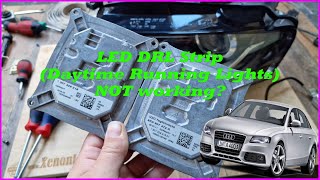
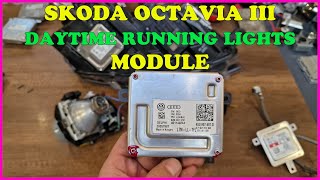
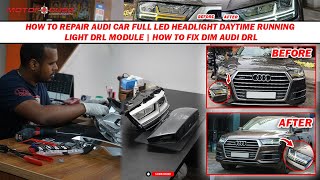
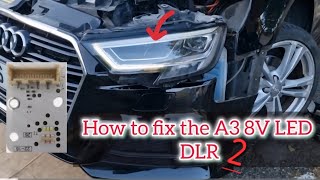
Technical Specifications
OEM Part Numbers: 4G0907397D 4G0907397P 4G0907397R 4G0907697D
Powers the LED Daytime Running Lights on vehicles equipped with Xenon/HID headlamps.
We Have This Part in Stock



The information in this article is provided for general reference and educational purposes only. Vehicle specifications, procedures, and part compatibility can vary by production date, trim level, and region. Always consult your vehicle's factory service manual and verify part numbers before purchasing or performing repairs. Safety-critical components such as airbags, seat belts, and braking systems should be installed by a qualified professional.
- Audi A6:
- Audi Q5:
- Audi A4:
- Audi A5:
- Audi A8:
- Audi A3:
- Audi Q3:
- Volkswagen Touareg:
- Skoda Octavia:
- Skoda Yeti:
- Audi A1:
- Audi RS Q3: