

Audi & Lamborghini ABS Module Failure: Decoding the ABS/ESP Lights on A4, S4, R8, Gallardo & More (2002-2015)
This guide covers the common symptoms, diagnostic codes, and critical programming steps required when replacing the ABS control module on select 2002-2015 Audi and Lamborghini models.
- Programming is NOT optional. Any replacement module (new or used) must be coded to your vehicle's VIN and options with a tool like VCDS.
- The most common symptoms are ABS/ESP warning lights on the dash and a non-functional speedometer.
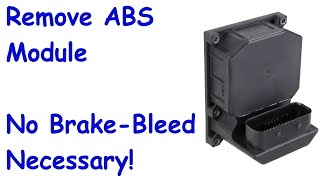
- You can often replace just the electronic module without opening brake lines, saving time and avoiding the need to bleed the brakes.
- Buying a used OEM module is a great value, but you must match the part number exactly, including any suffix letters.
Symptoms of a Failing ABS Control Module


When the ABS control module begins to fail, it typically gives clear warnings. The failure is often internal, caused by broken solder joints or component failure from years of heat and vibration. You will likely see a combination of dashboard warning lights and noticeable changes in vehicle behavior.
- Dashboard Warning Lights: The most common symptom is the illumination of the ABS, ESP (Electronic Stability Program), or traction control (often a skidding car icon) warning lights on your instrument cluster. A red 'BRAKE' light may also appear.
- Disabled Safety Systems: The anti-lock braking, traction control, and stability control systems will be disabled. This means your wheels can lock up during a panic stop, increasing stopping distances and causing a loss of steering control.
- Speedometer Malfunction: In many cases, the speedometer will stop working or behave erratically. This is because the ABS module is responsible for processing wheel speed data, which is then sent to the instrument cluster.
- Unresponsive or Spongy Brake Pedal: You might notice a change in how the brake pedal feels, such as it being harder or softer to press than usual.
- Audible Chimes or Beeps: The instrument cluster will often sound an alarm or chime when the warning lights first appear.
Common Diagnostic Trouble Codes (DTCs)
A professional scan tool that can read Audi-specific codes (like VCDS by Ross-Tech) is essential for proper diagnosis. Common codes pointing to a faulty ABS module include:
| Code | Description |
|---|---|
| U1013 / 01042 | Control Module Not Coded |
| U0121 | Lost Communication With ABS Control Module |
| U0415 | Implausible Signal from ABS Control Module |
| 01130 | ABS Operation - Implausible Signal |
| 01435 | Brake Pressure Sensor 1 (G201) |
| C0545 | VIN Not Stored or Incompatible |
| 00493 | ESP-Sensor Unit (G419) - No or Incorrect Basic Setting / Adaptation |
Vehicle-Specific Information and Known Issues

While this ABS module is shared across several platforms, there are some vehicle-specific details to be aware of.
2002-2008 Audi A4, S4, and RS4 (B6/B7 Platform)
This is the most common application for this part. The ABS module is located in the engine compartment on the driver's side, mounted to the hydraulic pump assembly. It is positioned between the coolant expansion tank and the windshield washer fluid reservoir. Access can be tight, and often requires removing the washer fluid reservoir.
🎬 Watch: Step-by-step B6/B7 ABS module removal DIY2007-2015 Audi R8 & 2004-2014 Lamborghini Gallardo
On these mid-engine supercars, the ABS module and pump assembly are typically located in the front trunk ('frunk') area. Due to the compact packaging, accessing the module may require removing trim panels or other components. The fundamental replacement and coding process remains the same. The Audi R8 utilizes a more advanced FlexRay data bus for communication with the ABS module.
Known Issues & Technical Bulletins
While no specific recalls target the exact vehicles in this guide, a closely related recall (NHTSA 16V-913, Audi Campaign 45F5) for 2009 Audi A3 models highlights a known failure pattern. The recall addresses an internal fault that can cause the module to fail during ABS/ESC activation due to a poor ground connection. The fix involves a software update to better diagnose the issue, and module replacement if necessary. This indicates a sensitivity to electrical issues in this generation of Audi ABS modules.
Additionally, Audi TSB 2072305 warns technicians that improperly disconnecting the main electrical connector on the ABS module (e.g., pulling it while the key is on) can cause a voltage spike that damages the separate vacuum pump, leading to a blown fuse and a hard brake pedal.
Warning: The electronic module can often be separated from the hydraulic pump assembly. This allows you to send the module for repair or replace only the electronic part without opening the hydraulic brake lines 🎬 See: How to replace and program the ABS module, which avoids the need to bleed the entire brake system. The module is typically held on by six Torx screws.
Programming and Calibration: A Required Step

This is the most critical part of the replacement process. You cannot simply swap this module and expect it to work. The replacement module, whether new or used, must be electronically coded to your vehicle's specific VIN and equipment.
- Coding: The module needs to be programmed with a 'long code' that tells it about your car's specific features, such as the engine, transmission type (manual or automatic), brake system, and installed options. This is done using a diagnostic tool like VCDS (VAG-COM). 🎬 Watch: Coding Bosch 5.3 and 5.7 ABS modules The coding from the old module should be saved and transferred to the new one if possible.
- Basic Settings / Adaptation: After coding, you must perform several basic setting procedures. The most important is the calibration of the Steering Angle Sensor (G85). This is done by starting the engine, turning the wheel fully to one side, then fully to the other, and finally returning it to center. Other adaptations for the brake pressure and acceleration sensors may also be required.
- Who can program it? An Audi/Lamborghini dealer can always perform the programming. However, most independent European auto repair shops and many advanced DIY mechanics with a Ross-Tech VCDS tool can also successfully code and adapt a replacement module. There is no 'component protection' or immobilizer link that forces a dealer visit.
Buying a Used ABS Control Module
A used OEM module is an excellent, cost-effective alternative to an expensive new unit, especially since remanufacturing services are also common. Here's what to look for:
- Match the Part Number EXACTLY: This is non-negotiable. The OEM part number on the replacement module must be identical to your original, including any suffix letters (e.g., 'A', 'B', etc.). Different letters can signify different software or hardware versions that are not compatible.
- Physical Inspection: Check the electrical connector pins for any signs of corrosion, which indicates water damage. Ensure the plastic casing is not cracked or shows signs of being pried open, which could indicate a failed previous repair attempt.
- Source Vehicle Information: If possible, get the VIN of the vehicle the used module came from. This can sometimes help in the coding process if your original module is completely dead and its coding cannot be retrieved.
- Why Used OEM is a Good Choice: Original equipment modules were designed specifically for the vehicle and are often more reliable than cheap aftermarket alternatives. Since these modules can be fully recoded, a used OEM unit from a reputable recycler offers the best balance of value and reliability.
Replacement Cost Breakdown
The cost to replace an ABS module can vary dramatically depending on the source of the part.
| Part Source | Estimated Part Cost | Notes |
|---|---|---|
| New OEM | $2,000 - $2,800 | Highest cost, typically sourced from a dealer. |
| Remanufactured/Rebuilt | $100 - $400 | A popular option where you send your original module to be repaired. |
| Used OEM | $75 - $250 | Excellent value. Price depends on condition and supplier. |
| Shop Labor | $250 - $400 | Includes installation, coding, and bleeding the brakes if the hydraulic unit is also replaced. |
Frequently Asked Questions (FAQ)
Can I still drive my car with a bad ABS module?
Yes, but with extreme caution. Your standard hydraulic brakes will still function, but you will NOT have anti-lock brakes (ABS), traction control, or stability control (ESP). This means your wheels can lock up and skid during a panic stop, and the car will not assist you in a slide. It is highly recommended to get the module replaced as soon as possible to restore these critical safety features.
Does a used ABS module need to be programmed?
Yes, absolutely. Any replacement ABS module, whether it is brand new or used, must be coded to your car's specific VIN and options using a compatible diagnostic tool like VCDS. It will not work correctly without this step.
Can I replace just the electronic part of the ABS module?
Yes. In most cases, the electronic control module is held to the metal hydraulic pump by six Torx screws. You can carefully remove just the electronic portion for repair or replacement. This avoids opening the hydraulic brake lines and the subsequent need to bleed the brake system, saving time and effort.
What is the difference between an ABS module and a Yaw Rate Sensor?
The ABS module is the main computer for the braking and stability systems. The Yaw Rate Sensor (sometimes called a combination sensor) is a smaller, separate sensor that measures the car's rotation and acceleration. It sends this data *to* the ABS module. While the part number 8E0907637A is sometimes associated with the yaw sensor, the common failure symptoms like dashboard warning lights and speedometer failure almost always point to a problem with the main ABS control module itself.
Helpful Videos

Technical Specifications
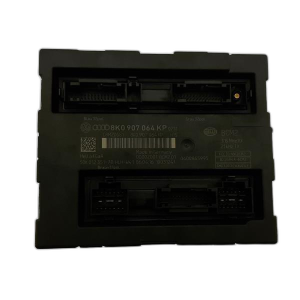
OEM Part Numbers: 8E0907637A 8E0907637
This is an electronic control module for the Bosch ABS/ESP system, typically version 5.7 or 8.0 for these model years.
We Have This Part in Stock




The information in this article is provided for general reference and educational purposes only. Vehicle specifications, procedures, and part compatibility can vary by production date, trim level, and region. Always consult your vehicle's factory service manual and verify part numbers before purchasing or performing repairs. Safety-critical components such as airbags, seat belts, and braking systems should be installed by a qualified professional.
- Audi A4:
- Audi S4:
- Audi R8:
- Audi RS4:
- Lamborghini Gallardo:
- 🎬 Helpful Videos
- 🛍️ Shop This Part
- Symptoms of a Failing ABS Control Module
- Common Diagnostic Trouble Codes (DTCs)
- Vehicle-Specific Information and Known Issues
- 2002-2008 Audi A4, S4, and RS4 (B6/B7 Platform)
- 2007-2015 Audi R8 & 2004-2014 Lamborghini Gallardo
- Known Issues & Technical Bulletins
- Programming and Calibration: A Required Step
- Buying a Used ABS Control Module
- Replacement Cost Breakdown
- Frequently Asked Questions (FAQ)
- 🎟️ Get 5% Off