

2018-2020 Toyota Camry Blind Spot Sensor: Fixing the 'BSM Unavailable' Warning
This guide covers the common failures, replacement costs, and mandatory calibration requirements for the blind spot monitor sensor in the 2018-2020 Toyota Camry.
- System calibration is mandatory after replacing a sensor; it is not a plug-and-play part. This requires special tools and must be done by a dealer or qualified shop.
- The correct OEM part number is 88162-06050, which fits both the left and right sides of the 2018-2020 Camry.
- Failure is often caused by minor rear bumper impacts that knock the sensor out of alignment or damage it internally, even with no visible bumper damage.
- Before assuming a sensor is broken, thoroughly clean the rear bumper corners, as dirt or snow can temporarily disable the system.
Symptoms of a Failing Blind Spot Sensor

When a blind spot sensor on a 2018-2020 Toyota Camry begins to fail, the symptoms are usually very clear. Because the system performs a self-check, you will likely see a specific warning message on the multi-information display (MID) between your gauges.
- "Blind Spot Monitor Unavailable" Message: This is the most common symptom. This message indicates the system has detected a fault and has been disabled.
- "Check Blind Spot Monitor System" Warning: A similar message that points to a system malfunction.
- RCTA System Disabled: Because the Blind Spot Monitor and Rear Cross-Traffic Alert (RCTA) use the same sensors, a fault in the BSM system will also disable the RCTA.
- BSM Warning Light On: A steady or flashing BSM indicator light on the dashboard or in the mirrors may appear, even with no vehicles nearby.
- Intermittent Operation: The system may work sporadically, with the warning message appearing and disappearing across multiple drives. This can sometimes be related to weather, debris, or a developing internal fault.
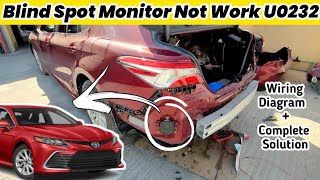
- Diagnostic Trouble Codes (DTCs): A professional scan tool may reveal specific fault codes. Common codes related to this system can include U0232 (Lost Communication With Blind Spot Monitor Sensor 'A') and U0233 (Lost Communication With Blind Spot Monitor Sensor 'B'), 🎬 Watch this step-by-step video on diagnosing and fixing code U0232. which point to communication or sensor failures.
Pro Tip: Before assuming the sensor is bad, thoroughly wash the rear corners of your bumper. Heavy mud, snow, ice, or road grime can temporarily block the radar signal and trigger an 'unavailable' message. Sometimes, a simple cleaning and restarting the car is all that's needed to restore function.
Known Issues, Recalls, and TSBs for 2018-2020 Camry

As of this writing, there are no specific safety recalls from the National Highway Traffic Safety Administration (NHTSA) for the blind spot monitoring sensors on the 2018-2020 Toyota Camry. Searches for recalls on these models show issues related to the occupant classification system or the brake vacuum pump, not the BSM sensors.
However, the primary known issue with these sensors is their sensitivity and vulnerability to physical impact. Due to their location inside the corners of the rear bumper, even a minor parking lot bump, a light scrape, or backing into a stationary object can knock the sensor out of alignment or damage it internally. Forum discussions among owners frequently link a sudden BSM failure to a minor rear-end incident that may have left little to no visible damage on the bumper itself.
Additionally, improper body repairs can cause problems. The radar signals must pass cleanly through the plastic bumper cover. If a repair involves excessive body filler or too many layers of paint (especially metallic paint), it can block or distort the signal, causing the system to fail.
Buying a Used Blind Spot Detection System Warning Sensor

Given the high cost of a new OEM sensor, a used, recycled OEM part is an excellent value. However, it's crucial to inspect the part carefully and verify compatibility.
- Verify the Part Number: The only way to guarantee compatibility is to match the part number. For the 2018-2020 Toyota Camry, the correct OEM part number is 88162-06050. This single part number fits both the left (driver) and right (passenger) side. Do not install a sensor with a different number, even if it looks identical.
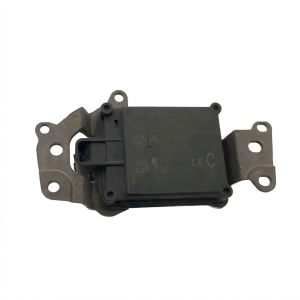
- Inspect for Physical Damage: Carefully examine the used sensor. Look for any cracks in the black plastic housing, especially around the seams. Any breach in the casing could have allowed moisture inside, which will lead to failure. Check that the mounting tabs and brackets are intact and not bent or broken.
- Check the Connector: Look inside the electrical connector pins. They should be clean, straight, and free of any green or white corrosion. Corroded pins indicate water damage and the sensor should be rejected.
- Ask About the Donor Vehicle: If possible, find out if the donor vehicle had a front-end or side collision, rather than a direct, hard hit to the rear corner where the sensor was located. A sensor from a vehicle with a minor rear impact is still a risk.
- Why Used OEM is a Smart Choice: A genuine used Toyota sensor is designed to communicate perfectly with your car's computer systems. Cheap aftermarket sensors often have issues with software compatibility, leading to persistent error codes or failure to calibrate. A reliable used OEM part that has been properly inspected is often a safer bet than a new, unproven aftermarket alternative.
Replacement & Calibration Overview

Replacing the sensor itself is a moderately difficult job, but the process is complicated by a mandatory, final step: calibration.
Installation Steps:
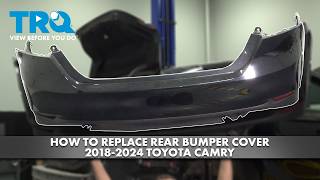
- The sensor is located behind the rear bumper cover. To access it, the entire bumper cover must be removed. 🎬 See how to safely remove the rear bumper cover. This involves removing clips in the trunk area, screws in the wheel wells, and fasteners along the bottom edge.
- Once the bumper is off, the sensor is easily visible, bolted to a bracket on the vehicle's body in the corner.
- Unplug the electrical connector, unbolt the old sensor, and bolt the new one in its place.
Warning: Calibration is Not Optional. The Blind Spot Monitoring system will not function until it is properly calibrated. This procedure tells the sensor its exact position and angle relative to the car so it can accurately detect other vehicles. Calibration is required anytime a sensor is replaced, removed and reinstalled, or has been subjected to an impact.
🎬 Watch how a Toyota blind spot monitor is calibrated using specialized ADAS equipment.Calibration Process:
This is not a DIY-friendly procedure for most home mechanics. It requires specialized equipment, including a Toyota-specific radar reflector target and a diagnostic scan tool running software like Toyota Techstream. The vehicle is placed in a specific position, and the scan tool initiates the calibration mode while the reflector is placed at a precise distance and angle behind the vehicle. For this reason, after physically installing the sensor, the vehicle must be taken to a dealership or a qualified independent shop with the proper ADAS (Advanced Driver-Assistance Systems) calibration equipment to complete the job.
Cost of Replacement for 2018-2020 Toyota Camry Blind Spot Sensor
| Part Type | Estimated Cost |
|---|---|
| New OEM (Dealer) | $715 - $1,085 |
| Used OEM | $100 - $250 |
| New Aftermarket | $250 - $500 (Kits, direct-fit may vary) |
| Shop Labor (Installation) | $150 - $300 (1-2 hours) |
| Shop Labor (Calibration) | $200 - $400 (Requires special equipment) |
Frequently Asked Questions (FAQ)
Can I drive my Camry with a bad blind spot sensor?
Yes, it is generally safe to drive. A faulty sensor will disable the Blind Spot Monitor and Rear Cross-Traffic Alert, but it does not affect the car's primary functions like the engine, transmission, or brakes. You will need to rely on manually checking your mirrors and blind spots before changing lanes or reversing, just as you would in a car without these features.
Does a used blind spot sensor need to be programmed or calibrated?
Yes. Any time a sensor is installed—whether it is new or used—it must be calibrated. The calibration process aligns the sensor with the vehicle's geometry. It is not 'plug-and-play'. Without calibration, the system will remain disabled and continue to show a warning message.
Why did my blind spot monitor fail after a minor bumper scrape?
The sensors are precisely aimed radar units. Even a small impact that doesn't visibly damage the bumper can be enough to knock the sensor out of its alignment, break a mounting bracket, or damage the sensitive electronics inside the sensor housing. The system is designed to shut down if it cannot guarantee an accurate reading.
Can I replace just one sensor, or do they need to be replaced in pairs?
You only need to replace the sensor that has failed. The left and right sensors operate independently, though they use the same part number (88162-06050). You can buy and replace just one. However, you will need to know which side is faulty, which can be determined by reading the specific Diagnostic Trouble Codes (DTCs).
Helpful Videos

Technical Specifications
OEM Part Numbers: 88162-06050 8816206050
Type: Millimeter-wave Radar Sensor Location: Rear Bumper Cover, Left or Right Side
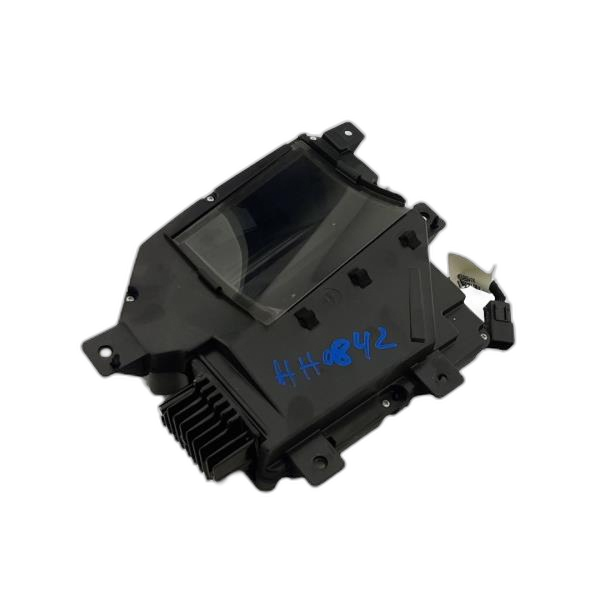
We Have This Part in Stock




The information in this article is provided for general reference and educational purposes only. Vehicle specifications, procedures, and part compatibility can vary by production date, trim level, and region. Always consult your vehicle's factory service manual and verify part numbers before purchasing or performing repairs. Safety-critical components such as airbags, seat belts, and braking systems should be installed by a qualified professional.
- Toyota Camry:
- 🎬 Helpful Videos
- 🛍️ Shop This Part
- Symptoms of a Failing Blind Spot Sensor
- Known Issues, Recalls, and TSBs for 2018-2020 Camry
- Buying a Used Blind Spot Detection System Warning Sensor
- Replacement & Calibration Overview
- Cost of Replacement for 2018-2020 Toyota Camry Blind Spot Sensor
- Frequently Asked Questions (FAQ)
- 🎟️ Get 5% Off