

2021-2024 Genesis GV80 Blind Spot Sensor: Why Calibration is Non-Negotiable
Replacing the rear blind spot radar on your GV80 is more than a simple swap; this guide covers the mandatory programming, costs, and symptoms of failure.
- Replacing this sensor is NOT a DIY job. It requires mandatory calibration (variant coding) with a dealer-level scan tool to function.
- A used OEM sensor is a cost-effective option, but you must budget for the professional calibration, which can cost $250-$450.
- The sensor is located behind the rear bumper cover, so replacement involves significant labor to remove and reinstall the bumper.
- Always match the OEM part number exactly (99140-T6000 or 99140-T6100).
Symptoms of a Failing GV80 Blind Spot Sensor


When the rear corner radar fails, your vehicle will typically alert you immediately with messages on the instrument cluster. You won't have to guess if there's a problem.
- "Check Blind-Spot Safety system" Warning: This is the most common message, indicating a fault has been detected within the system.
- "Blind-Spot Safety system disabled. Radar blocked" Warning: You may see this message temporarily in heavy rain, snow, or if the bumper is dirty. However, if it persists after cleaning the bumper and restarting the car, it can indicate a permanent sensor fault.
- Warning Light on Dash: A master warning light will often illuminate on the instrument cluster along with the text message.
- System Inoperative: The blind spot and rear cross-traffic alert functions will cease to work. The warning lights in the side mirrors will not illuminate when cars are in your blind spot.
A professional scan tool may reveal Diagnostic Trouble Codes (DTCs). While codes can vary, a fault in the blind spot system could trigger codes related to sensor communication or alignment, such as C1620 (Alignment Failed) or CAN bus timeout errors.
The #1 Thing to Know: Calibration is Mandatory

Replacing a blind spot sensor on a Genesis GV80 is not a plug-and-play repair. The new module must be electronically married to the vehicle through a process called calibration or variant coding.
Warning: A new or used sensor will not function until it has been calibrated. The vehicle must be told that a new sensor is installed so it can learn its precise angle and position. Failure to calibrate the sensor will result in a persistent "Check Blind-Spot Safety system" warning.
This procedure requires a dealer-level diagnostic tool, like the Genesis GDS, or a high-end professional scan tool from a brand like Autel. A Genesis Technical Service Bulletin (TSB) for the related G80 model specifies using the GDS to perform "Variant Coding" on the "Corner Radar" module after replacement. This process writes the vehicle's specifications to the new sensor and initiates a self-alignment routine. While some independent shops specializing in ADAS can perform this service, your Genesis dealer is the most certain option.
Known Issues, TSBs, and Recalls

As of this writing, there are no specific recalls for the blind spot detection sensors on the 2021-2024 Genesis GV80. The most common issues reported by owners are related to system behavior and faults.
- Temporary Blockage: The owner's manual repeatedly notes that foreign materials like snow, heavy rain, or dirt on the rear bumper can temporarily disable the system. This is normal operation and usually resolves itself after the bumper is cleaned and the car is restarted.
- TSB for Related Models: Genesis issued TSB 22-01-037G for the 2022 G80, detailing the procedure for "Rear Corner Radar Variant Coding" to resolve certain issues. While not for the GV80 specifically, it confirms the official procedure for these types of sensors.
- Physical Damage: The sensors are located in a vulnerable position in the corners of the rear bumper. Even a minor parking lot impact can damage the sensor or its mounting bracket, knocking it out of alignment and causing a system fault.
Buying a Used Blind Spot Sensor for Your Genesis GV80
Given the high cost of a new OEM sensor, a used unit from a reputable recycler is an excellent value. However, there are important factors to consider.
Part Number Compatibility
Always match the part number from your original sensor exactly. The two known OEM part numbers for the rear left (driver's side) sensor are:
- 99140-T6000
- 99140-T6100
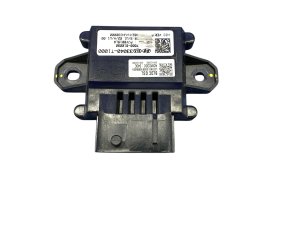
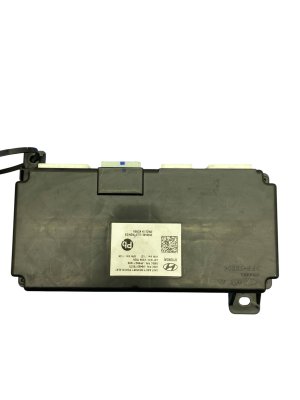
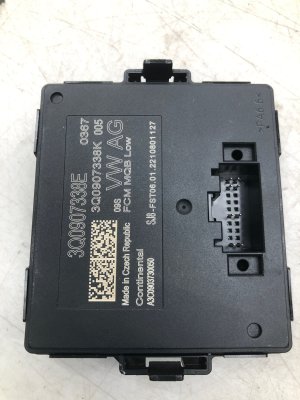
One may be a newer, updated version of the other. Do not install a sensor with a different part number, as it may not be compatible with your vehicle's software. The part number is printed on a label on the sensor's housing.
Physical Inspection
When buying a used sensor, inspect it carefully:
- Check for Cracks: Look for any cracks in the black plastic housing.
- Inspect the Connector: Ensure the electrical connector pins are straight, clean, and free of corrosion.
- Examine Mounting Points: Check that the mounting tabs are intact and not broken. A sensor from a vehicle with heavy rear-end damage should be avoided.
Budget for Calibration
Remember to factor the cost of professional calibration into the total repair cost. A used sensor that saves you hundreds of dollars is only a good deal if you complete the final, mandatory programming step.
Replacement Overview
The physical replacement of the sensor is straightforward for a mechanic or experienced DIYer, but it requires careful disassembly.
- Remove the Rear Bumper Cover: This is the most labor-intensive step. It involves removing screws, clips, and taillights to carefully detach the bumper cover from the vehicle body.
- Access the Sensor: The radar sensor is bolted to a bracket on the corner of the vehicle's body.
- Unplug and Unbolt: Disconnect the electrical harness and remove the bolts holding the old sensor to its bracket.
- Install the New Sensor: Bolt the replacement sensor in place and reconnect the harness.
- Reinstall Bumper: Carefully reinstall the rear bumper cover.
- Perform Calibration: Take the vehicle to a Genesis dealer or qualified ADAS repair shop to have the new sensor calibrated.
Cost Comparison
The cost of this repair is driven by the high price of the part and the need for specialized labor for calibration.
| Part/Service | Estimated Cost |
|---|---|
| New OEM Sensor | $1,200 - $1,750 |
| Used OEM Sensor | $300 - $700 |
| Shop Labor (Bumper R&R & Installation) | $230 - $350 |
| Shop Labor (Calibration) | $250 - $450 |
Pro Tip: To save money, you could perform the physical installation of the sensor yourself and then drive the vehicle to a shop for the final calibration. This could save you a few hundred dollars in labor for the bumper removal and installation.
Frequently Asked Questions (FAQ)
Can I replace the GV80 blind spot sensor myself?
You can perform the physical swap if you are comfortable removing the rear bumper cover. However, you cannot complete the job yourself, as the sensor requires professional calibration with a specialized diagnostic tool to function.
Does the blind spot sensor have to be programmed?
Yes, absolutely. The process is called calibration or variant coding. A new or used sensor will not work until this step is performed by a Genesis dealer or a qualified ADAS service center.
What causes the blind spot sensor to fail?
The most common causes of failure are physical impact from a collision (even a minor one) that damages the sensor or its bracket, and internal electronic failure. Water intrusion can also damage the electronics over time, though this is less common on newer vehicles.
Is it safe to drive with a bad blind spot sensor?
Yes, the vehicle is safe to drive from a mechanical standpoint. However, the Blind-Spot Collision-Avoidance Assist and Rear Cross-Traffic Collision-Avoidance Assist features will be disabled. You must rely solely on your mirrors and physically checking your blind spots when changing lanes or backing up.
Technical Specifications
OEM Part Numbers: 99140-T6000 99140-T6100 99140T6000 99140T6100
Rear Left (Driver's Side) Corner Radar Unit
We Have This Part in Stock




The information in this article is provided for general reference and educational purposes only. Vehicle specifications, procedures, and part compatibility can vary by production date, trim level, and region. Always consult your vehicle's factory service manual and verify part numbers before purchasing or performing repairs. Safety-critical components such as airbags, seat belts, and braking systems should be installed by a qualified professional.
- Genesis GV80:
- 🛍️ Shop This Part
- Symptoms of a Failing GV80 Blind Spot Sensor
- The #1 Thing to Know: Calibration is Mandatory
- Known Issues, TSBs, and Recalls
- Buying a Used Blind Spot Sensor for Your Genesis GV80
- Part Number Compatibility
- Physical Inspection
- Budget for Calibration
- Replacement Overview
- Cost Comparison
- Frequently Asked Questions (FAQ)
- 🎟️ Get 5% Off