

2013-2019 Ford Edge, Flex & Lincoln MKX Blind Spot Sensor Failure: A Buyer's and DIY Guide
Diagnosing the common 'Blind Spot System Fault' message and understanding the mandatory programming required for replacement on these shared-platform vehicles.
- Programming is mandatory. A replacement sensor must be programmed to your vehicle's VIN with a Ford-specific scan tool (IDS or FORScan). A simple swap will not work.
- Water intrusion is the #1 cause of failure. Inspect any used part for corrosion on the connector pins before buying.
- A faulty module can cause widespread, unrelated electrical problems like window and radio failures.
- The left (driver) and right (passenger) side sensors are different parts and are not interchangeable.
Symptoms of a Failing Blind Spot Sensor

When a blind spot sensor fails on a Ford Edge, Flex, or Lincoln MKX, the symptoms are usually very clear, but can sometimes be confusingly widespread.
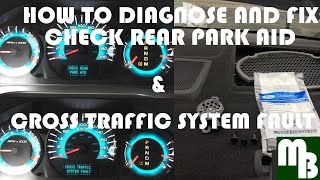
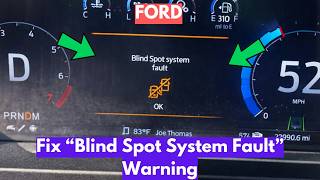
- Dashboard Warning Messages: The most common symptom is a "Blind Spot System Fault" and/or "Cross Traffic System Fault" 🎬 Watch this diagnostic guide for Ford rear park aid and cross traffic faults message appearing on the instrument cluster display every time you start the vehicle.
- Inoperative Warning Lights: The amber warning lights in your side mirrors will not illuminate, even when a car is in your blind spot. The system is completely disabled.
- Bizarre Electrical Problems: In cases of severe failure, usually from water damage, a shorted blind spot module can disrupt the vehicle's entire communication network (CAN-Bus). This can cause seemingly unrelated systems to fail, such as power windows, radio/HVAC controls, and power seat memory. Many owners chase these issues, suspecting a bad Body Control Module (BCM), when the root cause is a faulty blind spot sensor.
- Diagnostic Trouble Codes (DTCs): A professional scan tool will often find specific codes stored in the Side Obstacle Detection Module Left (SODL) or Right (SODR). The most common code is U3000:49, which indicates an internal electronic failure of the module itself.
Common Causes of Failure

These sensors live in a harsh environment behind the rear bumper, making them susceptible to a few common problems.
1. Water Intrusion and Corrosion
By far the most common cause of failure is moisture getting into the sensor or its electrical connector. The location behind the rear bumper corners exposes the modules to constant water spray from the tires. Over time, the seals on the module can fail, or moisture can wick into the connector, causing corrosion on the pins and leading to a short circuit or loss of communication. In some cases, mud and wet debris can pack in between the bumper and the sensor, trapping moisture against the unit.
2. Physical Damage
Even a minor bumper impact in a parking lot can crack the sensor's housing or break its mounting bracket. A misaligned sensor cannot read its environment correctly and will set a fault code. The damage may not be visible from the outside, as it's hidden behind the bumper cover.
3. Wiring Issues
The wiring harness leading to the sensor can become chafed, damaged, or loose over time due to vibrations. This can cause an intermittent or total loss of power and communication, triggering a fault message.
Compatibility Warning: The Left (Driver Side) and Right (Passenger Side) sensors have different part numbers and are NOT interchangeable. This applies to all three vehicles, including the Ford Flex. You must order the correct sensor for the side you are replacing. The primary OEM part number for the Left side is DA8Z-14C689-C. Always verify the part number on your original sensor before ordering a replacement.
Buying a Used Blind Spot Detection System Warning Sensor

Given the high cost of a new OEM sensor, a quality used OEM part is an excellent value. However, because these parts are sensitive electronics, careful inspection is key.
- Inspect the Connector Pins: This is the most critical check. Look inside the electrical connector on the sensor. The pins should be clean, straight, and shiny. Avoid any sensor that shows signs of white or green corrosion, as this indicates water damage and the unit is likely failed or will fail soon.
- Check the Housing for Cracks: Carefully inspect the black plastic housing of the sensor. Look for any cracks, especially around the seams and mounting points. A cracked housing is a guaranteed path for future water intrusion.
- Verify the Part Number: Double-check that the part number on the used sensor matches the one you are replacing. While the primary part number for the left side is DA8Z-14C689-C, there may be other compatible numbers. The safest bet is an exact match.
- Why Used OEM is a Smart Choice: For complex electronics like this, a tested, corrosion-free used OEM module is often more reliable than a cheap new aftermarket part. Aftermarket sensors may have compatibility issues with the vehicle's software and may not program correctly. A genuine Ford part is designed to communicate perfectly with the vehicle's other systems.
Replacement and Programming Guide

Replacing the sensor is a moderately difficult job, mainly because it requires removing the rear bumper cover. The programming step after installation is mandatory and requires special tools.
- Difficulty: 3 out of 5
- Estimated Time: 1.5 - 2.5 hours
- Tools Needed: Socket set, trim removal tools, diagnostic scan tool (FORScan with extended license or Ford IDS).
Replacement Steps (General Overview)
- Disconnect the Battery: As a safety precaution, disconnect the negative battery terminal.
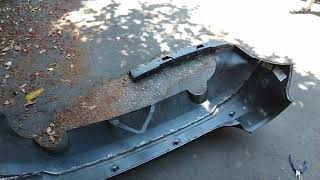
- Remove the Rear Bumper Cover: 🎬 Watch a step-by-step video on removing a Ford Edge rear bumper cover This is the most involved step. It typically involves removing screws inside the wheel wells, plastic clips underneath, and bolts inside the trunk or cargo area. Once all fasteners are removed, the cover will unsnap from clips along the sides.
- Locate and Unbolt the Sensor: The sensor is a black box bolted to a bracket at the corner of the vehicle's body.
- Disconnect and Replace: Unplug the electrical connector and unbolt the old sensor. Bolt the new sensor in its place and securely plug in the connector.
- Reinstall Bumper and Reconnect Battery: Reassemble in the reverse order of removal.
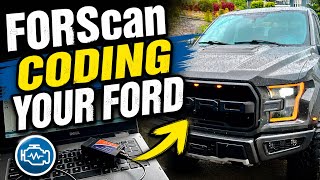
Mandatory Programming Required: You cannot simply swap this part. The new (or used) sensor must be programmed to your vehicle's specific configuration. This procedure, often called a Programmable Module Installation (PMI), requires a dealer-level scan tool like the Ford IDS or an advanced diagnostic tool like FORScan with an extended license. 🎬 See how to use FORScan to code and adjust Ford vehicle software Without this step, the module will not communicate with the vehicle, and you will still have a fault message.
Cost to Replace a Blind Spot Sensor
The cost can vary dramatically between DIY with a used part versus having a dealer install a new one.
| Part/Service | Estimated Cost |
|---|---|
| New OEM Sensor | $860 - $1,325 |
| New Aftermarket Sensor | $250 - $960+ |
| Used OEM Sensor | $75 - $250 |
| Shop Labor (Replacement & Programming) | $250 - $500 |
Frequently Asked Questions (FAQ)
Can I drive my car with a "Blind Spot System Fault"?
Yes, the vehicle is mechanically safe to drive. The fault only disables the blind spot and cross-traffic alert safety features. You will need to rely solely on your mirrors and shoulder checks when changing lanes or backing up.
Why does a replacement sensor need to be programmed?
The sensor module is a small computer that is part of the vehicle's network. The programming process loads your vehicle's specific VIN and configuration data into the module, allowing it to communicate correctly with the other control units in the car. Without this step, the system sees a mismatched part and keeps the fault active.
Is the left sensor the same as the right sensor on the Ford Flex?
No. Despite some conflicting information, the left (driver) and right (passenger) side sensors use different part numbers and are not interchangeable on the Ford Flex, Ford Edge, or Lincoln MKX. You must use the correct part for the specific side.
I replaced the sensor but the fault is still there. What's wrong?
The most likely reason is that the replacement module was not programmed to the vehicle. This is a mandatory step. Other possibilities include a wiring issue that was not resolved, or the replacement sensor itself is faulty.
Helpful Videos
Technical Specifications
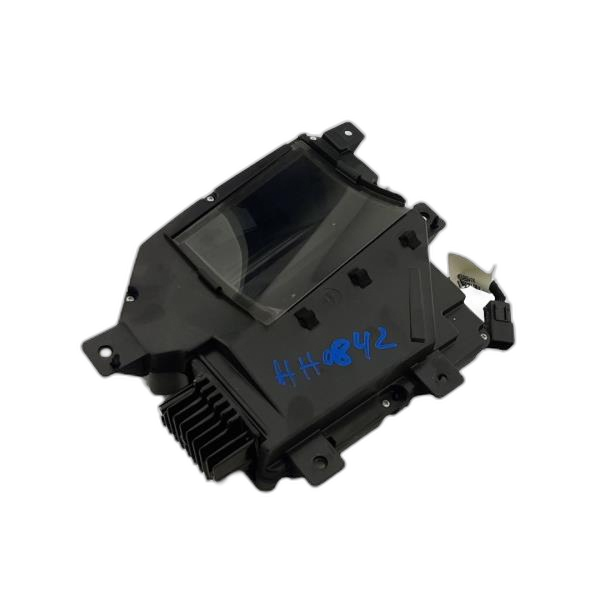
OEM Part Numbers: DA8Z-14C689-C DA8Z14C689C DA8T-14C689-DA DA8T14C689DA
This is the Left (Driver Side) Side Obstacle Detection Module (SODL). It operates on a radar frequency to detect objects in the vehicle's blind spot.
We Have This Part in Stock




The information in this article is provided for general reference and educational purposes only. Vehicle specifications, procedures, and part compatibility can vary by production date, trim level, and region. Always consult your vehicle's factory service manual and verify part numbers before purchasing or performing repairs. Safety-critical components such as airbags, seat belts, and braking systems should be installed by a qualified professional.
- Ford Edge:
- Lincoln MKX:
- Ford Flex:
- 🎬 Helpful Videos
- 🛍️ Shop This Part
- Symptoms of a Failing Blind Spot Sensor
- Common Causes of Failure
- 1. Water Intrusion and Corrosion
- 2. Physical Damage
- 3. Wiring Issues
- Buying a Used Blind Spot Detection System Warning Sensor
- Replacement and Programming Guide
- Replacement Steps (General Overview)
- Cost to Replace a Blind Spot Sensor
- Frequently Asked Questions (FAQ)
- 🎟️ Get 5% Off