

2021-2024 Genesis GV80 Blind Spot & Corner Radar: A Guide to Replacement and Calibration
This in-depth guide covers the common failures, part numbers, and mandatory calibration requirements for the GV80's advanced corner radar modules.
- Replacement REQUIRES professional programming and calibration. It is not a plug-and-play part.
- The GV80 has four unique corner radar modules (front/rear, left/right) with different part numbers that are not interchangeable.
- Failure is often caused by minor physical impacts or water intrusion, as the sensors are located behind the bumper covers.
- Buying a used OEM module can save over $1,000 on the part, but the mandatory calibration cost (estimated $400-$800) must be factored into the total repair budget.
Symptoms of Failure

When a blind spot radar module fails on a Genesis GV80, the vehicle will typically display clear warning messages on the instrument cluster. You will not just lose the warning light in the mirror; the entire related safety system will be disabled.
- Warning Messages: The most common symptom is a message on the dashboard, such as "Check blind spot safety system," "Check Rear Cross-Traffic Safety," or similar warnings for other ADAS functions.
- Disabled Safety Features: Features like Blind-Spot View Monitor, Lane Change Assist, and Rear Cross-Traffic Alert will become inoperable. The options for these systems may be grayed out in the vehicle's infotainment settings.
- No Mirror Indicators: The amber warning lights in the side-view mirrors will no longer illuminate when a vehicle is in your blind spot.
- Diagnostic Trouble Codes (DTCs): A professional scan tool will find stored fault codes. Common codes point to a loss of communication with the specific radar unit (e.g., "local canbass off," "local can time out") or configuration errors like "variant coding missing" and "missing calibration" after a new part is installed.
Pro Tip: Before assuming the module has failed, thoroughly clean the front and rear bumper corners. Dirt, mud, snow, or even heavy rain can temporarily obstruct the radar's view and cause a warning message. If the warning disappears after cleaning and driving, the module is likely fine.
Known Issues, TSBs, and Recalls

As of mid-2026, there are no specific recalls or widespread Technical Service Bulletins (TSBs) issued by Genesis for the failure of the corner radar modules on the 2021-2024 GV80. Most failures are isolated incidents, often resulting from:
- Minor Collisions: A small bump in a parking lot or a minor rear-end impact can be enough to damage the sensor or, more commonly, crack its mounting bracket, throwing off the precise alignment.
- Water Intrusion: The modules are located in a vulnerable area behind the bumper covers. While sealed, damage to the casing or connectors can allow moisture to enter, leading to corrosion and electrical failure. Some owners have reported unrelated water leak issues (like from clogged sunroof drains) causing various electrical problems, highlighting the sensitivity of the vehicle's electronics.
- Electrical Faults: Issues with wiring harnesses or connectors can cause a module to lose power or communication with the rest of the vehicle's network.
Warning: This part is a critical safety component. After any replacement, the system requires professional calibration to function correctly. Failure to calibrate the module will result in continued warning messages and a non-functional safety system.
Buying a Used Blind Spot Detection System Warning Control Module

Purchasing a used OEM radar module is a cost-effective way to repair your GV80, but careful verification is essential. Given the complexity and safety-critical nature of this part, cheap aftermarket copies are not available and should be avoided if they ever appear on the market.
1. Identify the Correct Part Number
The GV80 has four distinct corner radar modules, and they are not interchangeable. You must match the part number exactly for your vehicle's specific corner. Using the wrong part will not work.
| Position | Part Number(s) |
|---|---|
| Front Left (Driver Side) | 99120-T6000, 99120T6000 |
| Front Right (Passenger Side) | 99130-T6000, 99130T6000 |
| Rear Left (Driver Side) | 99140-T6000, 99140T6000 |
| Rear Right (Passenger Side) | 99150-T6100, 99150T6100 (for 2022-2024 models) |
Always confirm the part number with the seller or by using your vehicle's VIN at a dealership parts counter before purchasing.
2. Physical Inspection
When buying a used module, inspect it for:
- Cracks or Damage: Check the plastic housing for any cracks or signs of impact.
- Connector Pins: Ensure the electrical connector pins are straight, clean, and free of any green or white corrosion.
- Intact Mounting Points: The mounting brackets and tabs must be intact. A broken bracket means the sensor cannot be aimed correctly, rendering it useless.
3. Factor in Calibration Costs
Remember that the price of the used part is not your total cost. You MUST have the module professionally calibrated after installation, which can add several hundred dollars to the repair bill.
Programming and Calibration Requirements

This is the most critical part of the replacement process. A corner radar module will not work by simply plugging it in.
After the new or used module is physically installed, it must be electronically configured to the vehicle. This involves two main steps performed by a dealer or a qualified ADAS calibration specialist:
- Variant Coding: The vehicle's main computer must be told what kind of part has been installed. This programming step ensures the module is recognized by the ADAS network.
- Radar Calibration (Aiming): The sensor's angle must be precisely aimed relative to the vehicle's centerline. This is done using specialized tools like targets, reflectors, and a diagnostic computer. The procedure ensures the radar is looking in the correct direction to accurately detect other vehicles. I-CAR, an industry authority on collision repair, specifies that calibration is mandatory whenever the sensor is replaced or if the bumper area has been impacted.
This is not a DIY procedure. Standard OBD-II code readers cannot perform these functions. Even some professional-grade scan tools may fail to complete the calibration, as seen in forum discussions. The process requires specific Hyundai/Genesis diagnostic software (GDS) and physical calibration equipment.
Cost Breakdown
The cost to replace a GV80 corner radar module is significant, primarily due to the high price of the part and the required calibration labor.
| Item | Estimated Cost |
|---|---|
| New OEM Module | $1,200 - $1,900 |
| Used OEM Module | $150 - $400 |
| New Aftermarket | Not Available |
| Remanufactured | Not Available |
| Shop Labor (Physical Replacement) | $150 - $300 (approx. 1.5-2.0 hours) |
| Shop Labor (Programming & Calibration) | $400 - $800 |
| Total Estimated Cost (Used Part) | $700 - $1,500 |
| Total Estimated Cost (New Part) | $1,750 - $3,000+ |
Frequently Asked Questions (FAQ)
Can I replace a blind spot module myself?
While you can physically replace the module yourself if you are comfortable removing the bumper cover, you cannot complete the job. The vehicle will be inoperable in terms of its safety systems until the module is professionally programmed and calibrated by a Genesis dealer or an ADAS specialist shop.
Why is my blind spot warning on after a minor bumper repair?
The radar modules are mounted with very precise alignment. Even if the bumper cover was just removed and reinstalled, the sensor's angle may have shifted slightly. Any change in angle requires a recalibration to ensure the system works correctly and safely.
Is the left side module the same as the right side?
No. The front left, front right, rear left, and rear right modules all have unique part numbers and are not interchangeable. You must install the exact part number for the specific corner you are replacing.
Can a locksmith or regular mechanic program the new module?
It is unlikely. This task requires proprietary Genesis diagnostic software (GDS) and expensive, specialized ADAS calibration hardware (targets and stands). Only dealers and dedicated ADAS calibration centers typically have this equipment.
Technical Specifications
OEM Part Numbers: 99120-T6000 99120T6000 99130-T6000 99130T6000 99140-T6000 99140T6000 99150-T6100 99150T6100
System consists of four corner radar modules integrated with the vehicle's ADAS and CAN bus network.
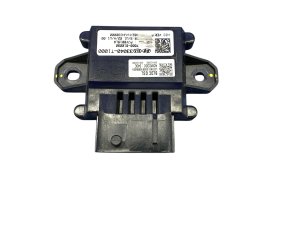
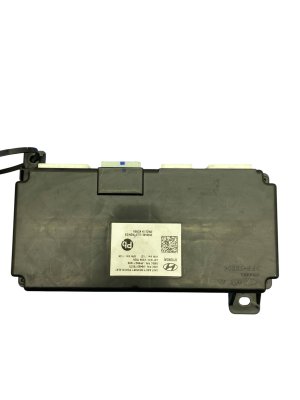
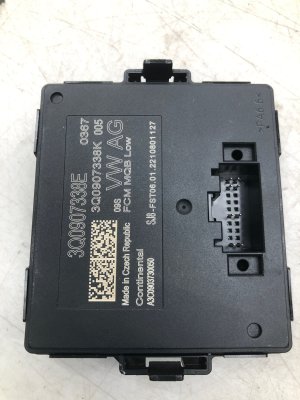
We Have This Part in Stock




The information in this article is provided for general reference and educational purposes only. Vehicle specifications, procedures, and part compatibility can vary by production date, trim level, and region. Always consult your vehicle's factory service manual and verify part numbers before purchasing or performing repairs. Safety-critical components such as airbags, seat belts, and braking systems should be installed by a qualified professional.
- Genesis GV80:
- 🛍️ Shop This Part
- Symptoms of Failure
- Known Issues, TSBs, and Recalls
- Buying a Used Blind Spot Detection System Warning Control Module
- 1. Identify the Correct Part Number
- 2. Physical Inspection
- 3. Factor in Calibration Costs
- Programming and Calibration Requirements
- Cost Breakdown
- Frequently Asked Questions (FAQ)
- 🎟️ Get 5% Off