

2014-2020 BMW i8 High-Voltage Cables: Diagnosing Failures and Replacement Risks
This guide covers the critical high-voltage battery cables in the BMW i8, explaining common failure symptoms like 'Drivetrain Malfunction' and the extreme dangers of replacement.
- Replacement is extremely dangerous due to lethal high voltage and MUST be done by a certified professional.
- The most common symptom of failure is a 'Drivetrain Malfunction' or 'High voltage system deactivated' warning, often resulting in a no-start condition or loss of power.
- When buying a used cable, any damage to the orange insulation or connectors, including minor cuts or corrosion, makes the part unsafe and unusable.
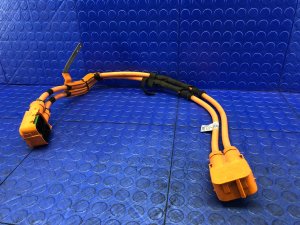
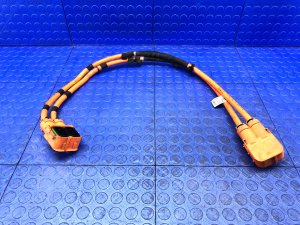
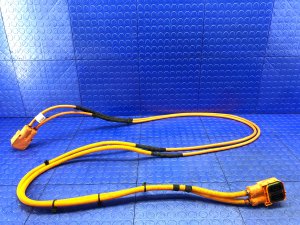
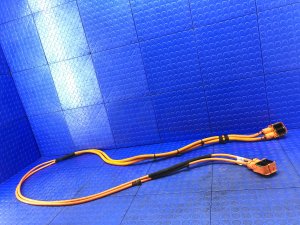
- OEM part number 9338404 is a known high-voltage harness, and it fits all 2014-2020 BMW i8 models, including both Coupe and Roadster styles.
Symptoms of a Failing High-Voltage Cable
Failure of a high-voltage cable in a BMW i8 is a serious issue that will not go unnoticed. The symptoms are typically severe and will immediately impact the vehicle's ability to operate. Unlike a simple 12-volt electrical issue, a fault in the HV system often results in the car protecting itself by shutting down the hybrid powertrain.
- "Drivetrain Malfunction" Warning: This is one of the most common messages to appear on the iDrive screen. It indicates the engine control unit (ECU) has detected a serious fault and has likely put the car into a reduced-power mode.
- "High voltage system deactivated" Message: This specific warning points directly to a problem within the hybrid powertrain's electrical system. It can be triggered by a faulty cable, a failing battery module, or other related components.
- Complete Loss of Propulsion: The vehicle may suddenly lose all electric and/or gasoline power, or it may fail to start altogether. This happens when the car's safety systems detect a dangerous fault, such as an insulation failure, and shut down the high-voltage contactors (switches) inside the battery.
- Inability to Charge: If the vehicle does not charge when plugged in, or if charging starts and then stops, it can indicate a fault in the high-voltage system. The car may display a message like "Unable to charge."
- Diagnostic Trouble Codes (DTCs): A professional scan tool may reveal specific codes. One known code associated with a potential cable issue is 22280F, which indicates an insulation fault in the high-voltage battery system. Other codes may point to the Electric Motor Electronics (EME) module or the battery management system.
Known Issues, Recalls, and Technical Service Bulletins (TSBs)
While there are no recalls specifically for the main high-voltage wiring harness itself, several related campaigns address similar symptoms and components in the HV system.
- NHTSA Recall 19V-599: This recall was issued for some 2019 BMW i8 models due to a faulty Electric Motor Electronics (EME) module. A defect on a circuit board could cause the module to shut down high-voltage power, resulting in a sudden loss of propulsion. The symptoms are identical to a cable failure.
- NHTSA Recall 14V-674: Affecting a small number of early 2014 models, this recall addressed a fuel tank ground cable bolt that had an improper weld, which could lead to a fuel leak.
- TSB B612515 (NHTSA ID 10147719): This Technical Service Bulletin specifically mentions "Retrofitting High-Voltage Battery Ground Cables," indicating that BMW has identified a need for updates or repairs to certain HV ground connections.
- Warranty Extension for Temperature Sensors: BMW extended the warranty on the high-voltage battery's internal temperature sensors to 15 years or 150,000 miles. A failure of these sensors can also trigger HV system warnings.
Warning: The symptoms of a failing high-voltage cable are very similar to those of a failing EME module or an internal battery fault. Proper diagnosis with BMW-specific tools is essential before ordering parts.
Buying a Used 2014-2020 BMW i8 High-Voltage Cable
Given the extremely high cost of new OEM high-voltage cables, a used cable from a reputable recycler is a practical option. However, inspection is absolutely critical. This is not a part where you can afford to take risks.
Physical Inspection Checklist:
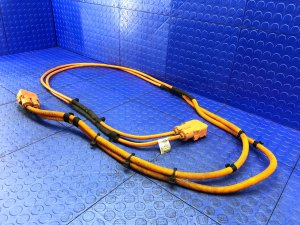
- Inspect the Orange Sheathing: Meticulously examine the entire length of the bright orange outer insulation. Look for any signs of damage: cuts, deep scrapes, crushed sections, kinks, or evidence of melting or burning. Even a small nick in the sheathing can compromise its insulating properties and is grounds for immediate rejection.
- Check the Connectors: The large, complex connectors at each end must be in perfect condition. Look for cracked plastic, broken locking tabs, and bent or corroded pins. A damaged connector can cause high resistance, generating heat and leading to a fire or another failure.
- Verify No Corrosion: Any sign of white or green powder-like corrosion on the metal contacts of the connectors is a major red flag. This indicates moisture intrusion, which is deadly for high-voltage components.
- Confirm the Source Vehicle: Whenever possible, choose a cable from a low-mileage vehicle that was not involved in a major collision, fire, or flood. Damage to these cables often occurs during accidents.
Why Used OEM is the Only Sensible Choice
There are no reputable aftermarket manufacturers for these specific, safety-critical high-voltage cables. The engineering, materials, and quality control required are immense. A cheap, uncertified aftermarket cable would pose an extreme risk of fire and electric shock. A properly inspected, undamaged used OEM cable is a far safer and more reliable choice than a non-existent or unproven aftermarket part.
Replacement Cost & Difficulty
Replacing a high-voltage cable on a BMW i8 is one of the most difficult and dangerous repairs possible on the vehicle. It should only be performed by technicians who are certified and trained to work on high-voltage hybrid systems.
Lethal Danger: The high-voltage system in the BMW i8 can be fatal if handled improperly. The system must be fully de-energized using a specific, multi-step procedure before any work begins. This is not a DIY job.
- Installation Difficulty: 5 out of 5 (Professional-Only)
- DIY Feasible: No
- Estimated Labor Time: While no flat-rate time is published for just the cable, replacing the nearby EME module can take up to 20 hours because it may require removing the rear subframe and drivetrain components. A cable replacement would likely fall into a similar range, depending on which cable is being replaced.
| Part/Service | Estimated Cost |
|---|---|
| New OEM High-Voltage Cable | $2,000 - $10,000+ (Varies by specific cable) |
| New Aftermarket High-Voltage Cable | Not Available |
| Used OEM High-Voltage Cable | $50 - $500 |
| Shop Labor Cost | $3,000 - $5,000+ |
Frequently Asked Questions (FAQ)
Can I drive my BMW i8 with a "Drivetrain Malfunction" warning?
No. While the car may still move in a reduced power mode, a fault in the high-voltage system is a serious safety risk. There is a potential for a complete loss of power or an electrical fire. You should not drive the vehicle and should have it towed to a qualified service center.
Is the high-voltage cable the same as the normal 12V battery cable?
No, they are completely different. The i8 has a standard 12V battery (located under the front hood) to power lights, computers, and accessories. The high-voltage cables are much larger, are always orange, and carry lethal amounts of electricity to power the electric motor.
What causes the high-voltage cables to fail?
Failure is rare and is almost always caused by external factors. The most common causes are physical damage from a collision, improper service procedures, or rodent damage. Corrosion at the connectors can also cause failure over time if seals are compromised.
Does the car need to be reprogrammed after replacing a high-voltage cable?
While the cable itself does not require programming, the vehicle's fault memory must be cleared using a BMW-specific diagnostic tool. The technician will also need to perform system checks to ensure the high-voltage interlock loop (HVIL) is functioning correctly and there are no new insulation faults before re-energizing the system.
Technical Specifications
OEM Part Numbers: 9338404 764013505A
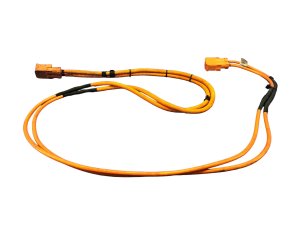
Heavy-gauge electrical cable with distinctive orange insulation, designed for high-voltage DC applications.
We Have This Part in Stock

The information in this article is provided for general reference and educational purposes only. Vehicle specifications, procedures, and part compatibility can vary by production date, trim level, and region. Always consult your vehicle's factory service manual and verify part numbers before purchasing or performing repairs. Safety-critical components such as airbags, seat belts, and braking systems should be installed by a qualified professional.
- BMW i8:
- 🛍️ Shop This Part
- Symptoms of a Failing High-Voltage Cable
- Known Issues, Recalls, and Technical Service Bulletins (TSBs)
- Buying a Used 2014-2020 BMW i8 High-Voltage Cable
- Physical Inspection Checklist:
- Why Used OEM is the Only Sensible Choice
- Replacement Cost & Difficulty
- Frequently Asked Questions (FAQ)
- 🎟️ Get 5% Off