

2017-2019 Genesis G90 Battery Terminal Fuse: No-Start Diagnosis and Recall Info
Your guide to diagnosing a complete power loss, understanding related fire recalls, and replacing the main battery fusible link on your G90.
- Failure of this part causes a complete and total loss of vehicle electrical power; the car will be dead and will not start.
- This part does NOT require any programming or dealer calibration; it is a direct-fit replacement.
- A critical safety recall (NHTSA 24V107) exists for a fire risk related to the starter solenoid; all owners should ensure this repair has been done.
- When buying a used part, visually inspect it for any signs of melting, arcing, or cracks, as this indicates it has been stressed.
Known Issues, Recalls, and TSBs for 2017-2019 Genesis G90
While there are no specific recalls or Technical Service Bulletins (TSBs) for the battery terminal fuse itself, a major safety recall is crucial for all 2017-2019 G90 owners to be aware of, as its symptoms can involve electrical shorts and fire risk.
Safety Recall NHTSA 24V107 (Genesis Campaign 018G): This recall addresses an issue where water can enter the starter solenoid, potentially causing an electrical short. This can lead to an engine compartment fire, either while driving or while the vehicle is parked. Genesis has advised owners to park their vehicles outside and away from structures until the recall repair is performed. The fix involves a dealer installing a remedy relay kit in the engine junction box, free of charge. While this recall does not directly involve the battery terminal fuse, a major electrical short in the starter circuit could potentially cause the main fuse to blow as a protective measure.
Symptoms of a Failing Battery Terminal Fuse
A failing battery terminal fuse is typically not subtle. Because it's the gateway for almost all electrical power, failure usually results in immediate and total power loss.
- Complete Loss of Electrical Power: The most common symptom. The interior lights, dashboard, radio, and power locks will not work at all. The car will seem completely dead.
- Engine Will Not Crank or Start: When you turn the key or press the start button, nothing will happen. You won't hear a click from the starter or any attempt from the engine to turn over, as no power is reaching the ignition or starter systems.
- Visible Damage or Burning Smell: A severe electrical event powerful enough to blow this main fuse can generate significant heat. You may see melted plastic on the fuse housing, black scorch marks, or smell a distinct electrical burning odor coming from the battery area.
- Intermittent Power to Multiple Systems: In very rare cases, a cracked or failing fusible link might cause intermittent connection issues, leading to flickering lights or multiple unrelated electrical systems failing at once before the connection breaks completely.
How to Diagnose the Problem
If your G90 is completely dead, the battery terminal fuse is a prime suspect, along with a dead battery or loose battery cables.
- Check the Battery Terminals: Ensure the main positive and negative battery clamps are tight and free of corrosion. A loose connection can mimic a dead battery.
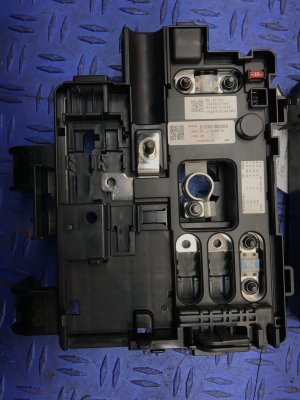
- Visually Inspect the Fuse Block: Remove the plastic cover from the positive battery terminal. Look closely at the fusible link block (part 91950-D2450). Check for any signs of melting, cracks in the plastic housing, or discoloration. The clear windows on top of the fuses may show a broken metal link inside.
- Test with a Multimeter: For a definitive test, set a multimeter to continuity mode (the setting that beeps). Disconnect the negative battery terminal for safety. Test each fusible link by placing one probe on the input stud and the other probe on the corresponding output terminal. A good fuse will have continuity (it will beep). A blown fuse will not.
Pro Tip: A car that makes a rapid clicking sound but won't start usually has a dead battery, not a blown main fuse. A car that makes a single, loud click might have a bad starter. A completely silent, dead car points more strongly toward the battery terminal fuse or a completely discharged battery.
Programming and Calibration Requirements
The 2017-2019 Genesis G90 battery terminal fuse is a straightforward electrical component. It does not require any programming, flashing, or calibration after installation. It is a direct-fit replacement that functions as soon as it is correctly installed. No dealer visit is necessary for this specific part replacement.
Buying a Used Battery Terminal Fuse
For a simple and robust part like this, a used OEM component is an excellent, cost-effective option. Aftermarket versions are not common, and their quality can be uncertain for such a critical high-current application.
- Physical Inspection is Key: When buying a used unit, the physical condition is everything. Do not purchase a part with any signs of melting, charring, arcing, or hairline cracks. Even minor heat damage indicates it was stressed and could fail prematurely.
- Check Terminals and Hardware: Ensure all the threaded studs and nuts are intact and not stripped. Corroded hardware can cause poor connections and high resistance, leading to future problems.
- Verify Part Numbers: The primary OEM part number is 91950-D2450. An alternate part number, 91950-D2466, has also been seen on used listings and should be compatible. Always match the part number from your original unit if possible.
Cost Comparison
Replacing the battery terminal fuse is a relatively inexpensive repair, especially when using a recycled OEM part.
| Part Type | Estimated Cost |
|---|---|
| New OEM | $100 - $130 |
| New Aftermarket | Not commonly available |
| Used OEM | $50 - $75 |
| Shop Labor | $45 - $75 |
Note: The G90 uses a specialized AGM battery that can be very expensive to replace (upwards of $600), and may require registration to the vehicle's computer system. Always diagnose the electrical system properly before replacing the battery.
Frequently Asked Questions (FAQ)
Does the 2017-2019 G90 battery terminal fuse need to be programmed?
No. This is a simple fusible link block. It does not contain any electronics and requires no programming or calibration. It is a plug-and-play part.
Is a blown battery fuse related to the Genesis G90 fire recall?
Not directly. The recall (NHTSA 24V107) is for water intrusion into the starter solenoid, which can cause a short circuit and fire. While a severe short circuit could theoretically blow the main battery fuse, the recall remedy itself involves installing a relay kit, not replacing this fuse. However, all owners should have the recall service performed immediately for safety.
Can I drive my G90 with a bad battery terminal fuse?
No. A completely blown battery terminal fuse will cut all power to the vehicle's essential systems. The car will not start or run.
Why would a battery terminal fuse fail?
These fuses are designed to be the last line of defense and typically only fail due to a significant external event. Common causes include an attempted jump-start with the cables reversed, a major downstream short circuit (like a damaged alternator wire grounding out), or a severe accident that causes wiring damage.
Technical Specifications
OEM Part Numbers: 91950-D2450 91950-D2466
Mounts directly to the positive battery terminal. Contains multiple high-amperage fusible links for main vehicle circuits.
We Have This Part in Stock



The information in this article is provided for general reference and educational purposes only. Vehicle specifications, procedures, and part compatibility can vary by production date, trim level, and region. Always consult your vehicle's factory service manual and verify part numbers before purchasing or performing repairs. Safety-critical components such as airbags, seat belts, and braking systems should be installed by a qualified professional.
- Genesis G90: