

2017-2019 Genesis G90 Battery Distribution Box: Fire Recall and Electrical Fixes
A complete guide to the G90's battery-mounted fuse box, including recall 24V107, failure symptoms, and replacement.
- A critical fire risk recall (NHTSA 24V107) affects all 2017-2019 G90s; owners should park outside until the dealer installs a remedy relay kit in the engine junction box.
- This part, OEM #91950-D2450, is plug-and-play and does NOT require any programming or calibration after replacement.
- Failure often causes widespread, seemingly unrelated electrical problems, a no-start condition, or a completely dead vehicle.
- When buying a used unit, it is essential to inspect it for any signs of melting, corrosion, or physical damage to avoid safety risks.
Important Safety Recall: Starter Solenoid Fire Risk (NHTSA 24V107)
Warning: All 2017-2019 Genesis G90 models are affected by NHTSA recall 24V107. The issue is that water can enter the starter solenoid, potentially causing an electrical short. This can lead to an engine compartment fire, even while the vehicle is parked and turned off. Genesis has advised owners to park their vehicles outside and away from structures until the recall repair is completed. The official remedy involves dealers installing a special relay kit within the engine junction box, which is a separate fuse box in the engine bay. This new relay changes the circuit to only power the starter solenoid during engine startup, rather than continuously, preventing the short circuit condition. While this recall does not directly involve replacing the battery-mounted distribution box, it is a critical electrical system safety issue that all owners must be aware of.
Symptoms of a Failing Battery Power Distribution Box
A failing battery distribution box can create confusing electrical issues that may seem unrelated. Because it controls power to the entire vehicle, symptoms are often widespread and severe.
- Multiple Unrelated Electrical Failures: The most common sign is several electrical systems failing at once. This could include power windows, radio, dashboard lights, and heated seats all malfunctioning simultaneously.
- Engine Won't Start or Cranks Slowly: The box may prevent sufficient power from reaching the starter motor. You might hear a single click or nothing at all when you try to start the car, even with a known-good battery.
- Flickering Lights and Gauges: Unstable power delivery can cause dashboard lights, headlights, and interior lights to flicker, dim, or behave erratically.
- Complete Loss of Power: The vehicle may be completely dead with no electrical power whatsoever, as if the battery were disconnected. Wiggling the cables at the battery might temporarily restore power, pointing to a bad connection within the distribution box.
- Burning Smell or Visible Damage: A strong plastic or electrical burning smell from the trunk area is a serious red flag. Upon inspection, you may see melted plastic, scorch marks, or heavy corrosion on the box or its terminals.
- Parasitic Battery Drain: While less common, an internal short in the distribution box could cause a constant power draw that drains the battery when the car is off. Owners have reported issues with the 12V battery going flat after the car sits for a few days.
Diagnosing the Power Distribution Box
If you suspect the distribution box is faulty, diagnosis is straightforward:
- Visual Inspection: Open the trunk floor panel to access the battery. Carefully inspect the distribution box (the plastic assembly on the positive battery terminal) for any signs of melting, cracking, or corrosion. Check the main cable connections for tightness and signs of arcing (black soot).
- Voltage Drop Test: For technicians, a voltage drop test across the main fusible links can confirm internal resistance. With the vehicle's electrical system under load (e.g., trying to crank the engine), a significant voltage difference between the input and output side of a fuse indicates a problem.
- Check for Power at Outputs: Using a test light or multimeter, verify that power is present on the output studs of the distribution box that feed the rest of the car. If you have 12V at the battery terminal but not at one of the main outputs, a fusible link inside the box has likely blown.
Buying a Used Battery Power Distribution Box
Given the high cost of new electronic components, a used OEM part is a practical choice. However, careful inspection is key for this critical part.
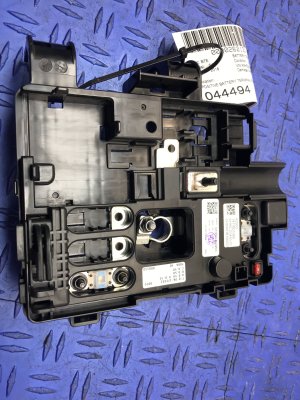
- Verify the Part Number: The primary OEM part number for the 2017-2019 Genesis G90 is 91950-D2450. Some sellers may also list 91950-D2466 as a compatible number. Always match the part number from your original unit to ensure compatibility.
- Physical Inspection is Crucial: When buying a used unit, demand clear photos. Look for:
- No Melted Plastic: Any sign of melting around the fuse windows or terminal posts means the part has been severely overloaded and is unsafe.
- No Corrosion: Avoid any units with white or green corrosion on the terminals, as this indicates water damage and will cause poor connections.
- Intact Housing: Ensure the plastic housing is not cracked or broken, as this can allow moisture and dirt to enter.
- Why Used OEM is a Good Choice: The materials used in high-current electrical parts are critical for safety. A genuine OEM part, even used, is manufactured to strict standards for conductivity and heat resistance. Cheap aftermarket copies may use inferior plastics or metals that can't handle the electrical load, posing a significant fire risk.
Replacement and Programming
Replacing the battery power distribution box is a simple process that can be done with basic hand tools.
Pro Tip: Always disconnect the negative battery terminal first before working on any part of the positive side of the electrical system. This prevents accidental shorts.
- Disconnect the negative battery terminal (10mm nut).
- Unplug the small wire harness connectors from the side of the distribution box.
- Loosen the 10mm nut on the clamp that holds the box to the positive battery post.
- Remove the nuts holding the main power feed cables to the front of the box.
- Lift the entire assembly off the battery post.
- Installation is the reverse of removal. Connect the positive side completely, then reconnect the negative battery terminal last.
Programming Requirements
The battery power distribution box is a non-intelligent part; it is a set of fuses and conductors. It does not require any programming, flashing, or calibration after installation. It is a plug-and-play component.
Cost Comparison
| Part Type | Estimated Cost |
|---|---|
| New OEM | $150 - $250 (estimate) |
| New Aftermarket | Not commonly available |
| Used OEM | $40 - $80 |
| Shop Labor | $50 - $100 |
Frequently Asked Questions (FAQ)
Does the 2017-2019 G90 battery distribution box need to be programmed?
No. This part is a simple electrical distribution hub containing fuses and does not have any software or logic. It is a direct replacement part that does not require programming or a dealer visit for installation.
Where is the battery power distribution box located?
It is located in the trunk, mounted directly on top of the positive terminal of the vehicle's 12V battery. The battery is under the trunk floor panel.
Is a bad distribution box related to the G90 fire recall?
No, they are separate issues, but both involve the car's primary electrical system. The recall (NHTSA 24V107) is for a fault in the starter solenoid that can cause a fire. The fix for the recall involves installing a relay kit in the engine bay fuse box, not replacing the battery-mounted box in the trunk.
Can I just replace a single blown fuse in the box?
The main fuses in this distribution box are typically high-amperage fusible links that are bolted or riveted in place. They are not designed to be easily replaced like standard blade fuses. In most cases, if a main link blows, the entire distribution box assembly must be replaced.
Technical Specifications
OEM Part Numbers: 91950-D2450 91950-D2466
Mounts on the positive battery terminal. Contains multiple high-amperage fusible links for main vehicle circuits.
We Have This Part in Stock

The information in this article is provided for general reference and educational purposes only. Vehicle specifications, procedures, and part compatibility can vary by production date, trim level, and region. Always consult your vehicle's factory service manual and verify part numbers before purchasing or performing repairs. Safety-critical components such as airbags, seat belts, and braking systems should be installed by a qualified professional.
- Genesis G90:
- 🛍️ Shop This Part
- Important Safety Recall: Starter Solenoid Fire Risk (NHTSA 24V107)
- Symptoms of a Failing Battery Power Distribution Box
- Diagnosing the Power Distribution Box
- Buying a Used Battery Power Distribution Box
- Replacement and Programming
- Programming Requirements
- Cost Comparison
- Frequently Asked Questions (FAQ)
- 🎟️ Get 5% Off