

2019 Nissan Rogue Hybrid Battery: Failure Symptoms, High-Voltage Risks, and Replacement Costs
This guide covers the critical details of the high-voltage lithium-ion battery for the 2019 Nissan Rogue Hybrid, focusing on diagnosis, replacement costs, and how to safely buy a used unit.
- This is a high-voltage part that requires professional installation due to a serious risk of fatal electric shock. Do not attempt a DIY replacement.
- When buying a used battery, a professional diagnostic report showing the State of Health (SOH) is essential. Do not buy a used battery without this test.
- Symptoms of failure include a hybrid system warning light, poor fuel economy, and sluggish performance.
- There are important safety recalls for the 2019 Rogue Hybrid's brake booster and engine harness that owners should be aware of.
Understanding the 2019 Rogue Hybrid Battery: High-Voltage vs. 12-Volt

Before diagnosing any issue, it's crucial to understand that the 2019 Nissan Rogue Hybrid has two different batteries. This guide focuses on the main high-voltage (HV) lithium-ion battery pack, which powers the hybrid drivetrain. The vehicle also has a conventional 12-volt lead-acid battery, located in the rear cargo area, which powers standard electronics like lights, the radio, and the ignition system. If your car is completely dead with no lights, you may have a simple 12-volt battery issue. If you see specific hybrid warning lights on the dash, the engine is running more than usual, or fuel economy has dropped, the problem likely lies with the high-voltage battery pack.
Warning: The hybrid battery pack is a high-voltage component, storing approximately 202 volts DC. It can cause serious injury or death if handled improperly. All diagnosis and replacement must be performed by a qualified technician with specific training for hybrid vehicles. Never attempt to open or service the high-voltage battery or touch any orange-colored cables.
Common Symptoms of a Failing Hybrid Battery

A failing HV battery usually provides several warning signs before it stops working completely. Recognizing them early can prevent you from being stranded.
- Hybrid System Warning Light: This is the most direct indicator. A solid or blinking light on your dashboard that says "Check Hybrid System" or shows a similar icon means the vehicle's computer has detected a fault in the hybrid system, often related to the battery. Nissan advises stopping the vehicle in a safe location immediately and contacting a dealer if the light is solid. A blinking light may indicate the battery charge is too low to continue driving.
- Decreased Fuel Economy: One of the first and most common symptoms is a noticeable drop in your miles per gallon (MPG). A weak battery can't provide as much assistance to the gasoline engine, forcing it to work harder and burn more fuel.
- Reduced Power and Sluggish Acceleration: If the Rogue feels slow or hesitant when you accelerate, the battery may not be delivering enough power to the electric motor.
- Gasoline Engine Runs More Frequently: A healthy hybrid system will often shut off the gasoline engine at stops or during low-speed driving. If you notice the engine is running constantly, it's a sign the battery can't hold enough charge to power the vehicle on its own.
- Erratic Battery Gauge Behavior: The battery charge level on your dashboard display may fluctuate wildly, dropping from full to empty very quickly or never showing a full charge.
- Strange Noises: You might hear the battery's cooling fan running more often or at higher speeds than usual, which can sound like a loud hum or whirring from the cargo area. This indicates the failing battery is generating excess heat. Clicks or pops can also be a sign of trouble.
Buying a Used 2019 Rogue Hybrid Battery

Given that a new OEM hybrid battery can cost over $6,000, a used OEM unit is an excellent value. However, buying a used high-voltage battery requires more care than any other part. Its remaining lifespan is critical.
Key Inspection Steps Before Purchase
- Demand a Professional Diagnostic Report: This is non-negotiable. Before buying, the battery must be tested by a qualified hybrid technician using specialized diagnostic tools. A simple OBD-II code reader is not enough. The report should include the State of Health (SOH), which is a percentage of its original capacity. A SOH above 80% is considered healthy. Anything below 70% is a major red flag.
- Check Individual Cell Voltages: The diagnostic report should also show the voltage of each individual cell block within the pack. A healthy pack has cells with very similar voltage readings. If some cells are significantly lower than others, the pack is imbalanced and likely failing.
- Review Vehicle History and Mileage: Ask for the VIN of the vehicle the battery came from. Check its service history for any battery-related repairs. Mileage is a key factor; a battery from a 50,000-mile vehicle is far preferable to one from a 150,000-mile vehicle. Most hybrid batteries are designed to last 8-10 years or 100,000-150,000 miles.
- Physical Inspection: Look for any signs of physical damage, corrosion on the terminals or case, or evidence of fluid leakage from the battery or its cooling system. The case should be clean and free of dents or warping.
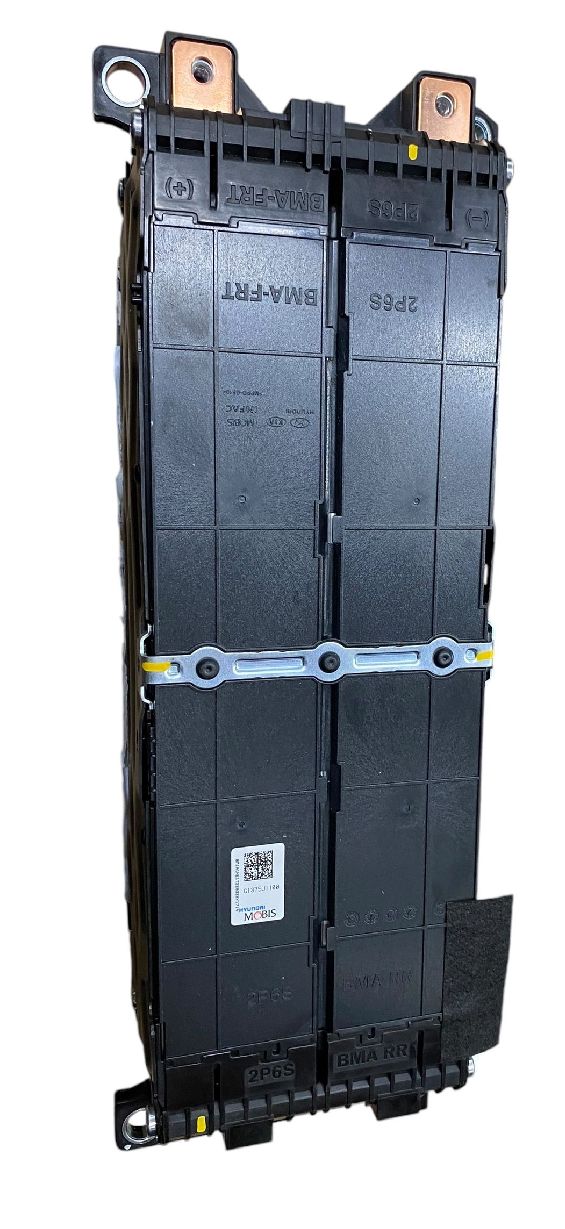
- Verify Part Numbers: Ensure the part number on the used battery matches the required OEM numbers for your vehicle, such as 295B0-4BC4A or 295B0-4BC2A.
Pro Tip: A pre-purchase inspection from a hybrid-savvy shop might cost $100-$200, but it can save you from buying a used battery worth thousands that is near the end of its life. This is the single most important step in buying a used hybrid battery.
Known Issues, Recalls, and Service Bulletins
As of mid-2024, there are no direct recalls for the high-voltage battery itself on the 2019 Nissan Rogue Hybrid. However, there are several important recalls and service campaigns for related systems:
- NHTSA Recall 20V379000: The hydraulic brake booster may overheat internally, leading to a loss of power brake assist. This can increase stopping distances and the risk of a crash. Dealers will replace the hydraulic brake booster assembly.
- NHTSA Recall 20V177000: The engine harness may be damaged by contact with the Electronic Control Module (ECM) bracket, which could cause a blown fuse and a stall while driving.
- NHTSA Recall 19V654000: A software issue with the backup camera display could cause the rearview image to not appear. This is part of a wider recall affecting many Nissan models.
- Voluntary Service Campaign R1911: Nissan issued a campaign to update the software for the AV Control Unit (infotainment system) to resolve potential glitches.
Cost Comparison for Replacement
Replacing the hybrid battery is a significant expense, which makes understanding the value of a quality used part essential.
| Part Type | Estimated Cost |
|---|---|
| New OEM (Dealer) | $5,500 - $8,700 (Part only) |
| Used OEM | $1,500 - $2,500 (Part only) |
| Shop Labor | $250 - $500 |
Installation and Replacement

Due to the extreme danger of high voltage, this is not a DIY job. Replacement has an installation difficulty of 5 out of 5.
- Difficulty: 5/5 (Professional Only)
- Feasibility: Not feasible for DIY mechanics.
- Estimated Time: 2-4 hours by a trained technician.
Warning: Replacement requires de-energizing the high-voltage system using a specific procedure and safety equipment. The battery pack itself is also very heavy, weighing nearly 90 pounds. Attempting this repair without proper training and tools can be fatal.
Frequently Asked Questions (FAQ)
Can I replace the 2019 Rogue Hybrid battery myself?
No. This is a high-voltage component that poses a serious risk of electric shock and death if handled incorrectly. Replacement must be done by a professional with specialized training and equipment for hybrid vehicles.
What is the difference between the hybrid battery and the 12V battery?
The high-voltage hybrid battery powers the electric motor to help propel the car. The 12V battery is a standard car battery that powers lights, the radio, and other electronics, and it is charged by the high-voltage system via a converter. If you have no power at all, the 12V battery is the likely culprit. If you have a "Check Hybrid System" light, the high-voltage battery is the likely issue.
How long should the Rogue Hybrid battery last?
Most hybrid batteries have a life expectancy of 8 to 10 years, or between 100,000 and 150,000 miles. Lifespan can be affected by climate, driving habits, and maintenance.
What is a State of Health (SOH) report and why do I need it for a used battery?
A State of Health (SOH) report is a diagnostic readout that shows the battery's current energy storage capacity compared to when it was new. It's the best way to know the true condition and remaining life of a used hybrid battery. A battery with a low SOH will provide poor fuel economy and will need to be replaced much sooner.
Technical Specifications
OEM Part Numbers: 295B0-4BC2A 295B0-4BC4A 295B0-4BC0A 295B0-4BC1A
Type: Lithium-Ion Battery Pack Voltage: Approximately 202 Volts DC Weight: Approximately 89.3 lbs Location: In the cargo area, under the floor
We Have This Part in Stock

The information in this article is provided for general reference and educational purposes only. Vehicle specifications, procedures, and part compatibility can vary by production date, trim level, and region. Always consult your vehicle's factory service manual and verify part numbers before purchasing or performing repairs. Safety-critical components such as airbags, seat belts, and braking systems should be installed by a qualified professional.
- Nissan Rogue:
- 🛍️ Shop This Part
- Understanding the 2019 Rogue Hybrid Battery: High-Voltage vs. 12-Volt
- Common Symptoms of a Failing Hybrid Battery
- Buying a Used 2019 Rogue Hybrid Battery
- Key Inspection Steps Before Purchase
- Known Issues, Recalls, and Service Bulletins
- Cost Comparison for Replacement
- Installation and Replacement
- Frequently Asked Questions (FAQ)
- 🎟️ Get 5% Off