

2025 Kia K5 Battery Ground Cable: Your Guide to Solving Electrical Gremlins
Learn to spot the subtle electrical issues caused by a faulty ground connection before they leave you stranded or lead to expensive misdiagnoses.
- A bad ground cable causes a wide range of electrical problems, including dim/flickering lights, slow starting, and random warning lights—not just a no-start.
- The most reliable way to diagnose a bad ground is with a voltage drop test using a multimeter; a reading over 0.5V while cranking indicates a problem.
- When replacing the cable, thoroughly cleaning the connection points on the battery and chassis with a wire brush is the most critical step for a lasting repair.
- New OEM ground cables for the 2025 K5 are inexpensive (under $50), making them a better choice than used parts in most cases.
Symptoms of a Failing 2025 Kia K5 Battery Ground Cable
A bad ground cable rarely fails suddenly. It usually degrades over time, causing intermittent and frustrating electrical problems that can be mistaken for a bad battery, alternator, or starter. Watch for these common warning signs.
1. Dim or Flickering Lights
One of the most common symptoms is headlights and interior lights that dim or flicker. This is often more noticeable when you turn on a high-draw accessory like the air conditioning or power windows, or during engine cranking. The unstable ground connection can't handle the sudden change in electrical load, causing a temporary voltage fluctuation that you see as flickering lights.
2. Slow or No-Start Condition
Your starter motor requires a massive amount of current to turn the engine over. A corroded or loose ground cable can't supply this current effectively. You may hear a slow, sluggish cranking sound, a single click, or nothing at all when you turn the key. This is often misdiagnosed as a dead battery, but if jump-starting the car doesn't consistently solve the problem, the ground cable is a likely suspect.
3. Random Warning Lights and Erratic Gauges
Modern vehicles like the 2025 K5 rely on dozens of sensors and computer modules. A poor ground can disrupt the sensitive electrical signals these components use to communicate. This can cause random warning lights—like the check engine light, battery light, or ABS light—to appear on the dashboard for no apparent reason and then disappear just as quickly. You might also see gauges on the instrument cluster behave erratically.
4. Unexplained Battery Drain
While not as common, a poor ground can contribute to battery issues. The alternator, which recharges the battery while the engine is running, also needs a solid ground connection to work efficiently. If the ground is weak, the battery may not receive a full charge, leading to a gradual decline in its power and eventual starting problems. Some owners of K5 models have reported issues with battery drain, and while often linked to modules not entering sleep mode, a poor ground can worsen charging system performance.
Known Issues, Recalls, and TSBs for the 2025 Kia K5
As of mid-2026, there are no specific recalls or Technical Service Bulletins (TSBs) issued for the battery ground cable on the 2025 Kia K5.
However, the K5 platform has had some documented electrical sensitivities and recalls that owners should be aware of:
- General Electrical Complaints: Owners of 2021-2025 models have reported various electrical issues, including intermittent warning lights, battery drain, and infotainment system glitches. These symptoms can overlap with those of a bad ground, making the ground cable an important part to check during any electrical diagnosis.
- Unrelated Recalls: The 2025 K5 has been subject to recalls for issues like detaching exterior trim (NHTSA 25V494000), flickering parking lights (NHTSA 25V351000), and airbag control unit problems. These are not related to the main battery ground cable but show ongoing manufacturer updates.
Diagnosing a Bad Ground Connection
Before replacing parts, a simple test can confirm if the ground cable is the problem. You will need a digital multimeter.
Pro Tip: A visual inspection is a good first step. Look for obvious signs of corrosion (white or green powder), frayed wires, or loose connections at both the battery terminal and the chassis bolt. However, resistance can exist even on a clean-looking cable, so a voltage drop test is the only way to be certain.
How to Perform a Voltage Drop Test
This test measures the amount of voltage being lost across the ground cable while it's under load (during engine cranking). A significant voltage drop indicates high resistance.
- Set up your multimeter: Turn the dial to a low DC voltage setting, such as 2V or 20V.
- Disable the engine: You need to crank the engine without it starting. The easiest way is to use "clear flood mode": press the accelerator pedal all the way to the floor and hold it there before and during cranking. This tells the ECU not to fire the injectors. Alternatively, you can pull the fuel pump relay or fuse.
- Connect the multimeter leads:
- Connect the negative (black) lead directly to the negative post of the battery (not the cable clamp).
- Connect the positive (red) lead to a clean, metal part of the engine block or to the bolt where the ground strap connects to the chassis.
- Crank the engine: Have a helper turn the key to crank the engine for 5-10 seconds while you watch the multimeter.
- Read the results: A good ground connection should show a very low reading. Ideally, it should be less than 0.2 volts. A reading above 0.5 volts indicates excessive resistance, and the ground cable or its connections are faulty.
Buying a Used 2025 K5 Battery Ground Cable
For a vehicle as new as the 2025 K5, a "used" ground cable will almost certainly come from a very low-mileage salvage vehicle. Given the low cost of a new OEM cable, buying new is often the smarter choice. However, if you do opt for a used part, here is what to inspect:
- Check the Terminals: The metal ends are the most critical part. Reject any cable with visible corrosion, cracking, or physical damage. The battery terminal clamp should be perfectly round and not distorted.
- Inspect the Cable Itself: Flex the cable to feel for stiffness. An old, corroded cable will feel brittle. Check the insulation for any cuts, burns, or signs of melting, which could indicate a past electrical short.
- Verify the Part Number: Ensure the used cable matches the OEM part number for your vehicle to guarantee correct length and fitment. Using a cable that is too short can cause stress, while one that is too long can contact hot or moving parts.
- Why Used OEM is a Viable Option: A used OEM cable from a low-mileage, collision-damaged car is often a better choice than a cheap, new aftermarket part. OEM cables are made with high-quality copper and durable terminals designed specifically for the vehicle's electrical demands.
Cost Comparison for a 2025 Kia K5 Battery Ground Cable
Replacing the battery ground cable is an inexpensive repair. The primary cost is labor if you have a shop perform the work.
| Part Type | Estimated Cost |
|---|---|
| New OEM | $30 - $45 |
| New Aftermarket | Not widely available for this model year yet. |
| Used OEM | $20 - $35 |
| Shop Labor | $60 - $120 (0.5-1.0 hours) |
Replacement Overview (Difficulty: 1/5)
Replacing the battery ground cable is a simple job that most DIYers can complete in under 30 minutes with basic hand tools.
Warning: Always disconnect the negative battery cable first and reconnect it last. This prevents accidental short circuits if your wrench touches a metal part of the car while working on the positive terminal.
- Disconnect the battery: Use a 10mm wrench to loosen the nut on the negative battery terminal clamp. Remove the cable and secure it away from the battery.
- Remove the old cable: Follow the cable from the battery to where it bolts to the vehicle's chassis. Use a wrench (typically 10mm or 12mm) to remove this bolt. The entire cable is now free.
- Clean the connection points: This is the most important step. Use a wire brush or sandpaper to thoroughly clean the battery post and the chassis mounting point until they are shiny, bare metal. A clean connection is essential for good electrical flow.
- Install the new cable: Bolt the new cable to the chassis first, ensuring it's tight. Then, connect the terminal clamp to the negative battery post and tighten it securely.
- Apply protector (optional): A thin layer of anti-corrosion grease or spray on the terminal can help prevent future buildup.
Frequently Asked Questions (FAQ)
Is the battery ground cable the same as the negative battery cable?
Yes, these terms are used interchangeably. It is the cable that connects the negative (-) battery post to the vehicle's frame or engine.
What is the difference between the ground cable and the battery sensor (Part 37180L2500)?
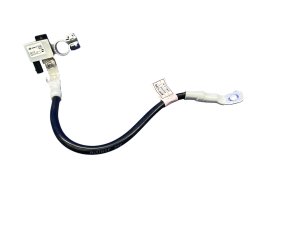
The main ground cable is a simple, heavy-gauge wire. Some Kia vehicles also have a more complex "Battery Sensor Assembly" (like part number 37180L2500) that clamps onto the negative post. This sensor monitors the battery's state of charge for the vehicle's charging management system. While it is part of the negative connection, it is a separate electronic component from the simple ground cable that bolts to the chassis.
Can I just clean my old cable instead of replacing it?
If the problem is just corrosion on the terminal ends and the cable itself is in good condition, a thorough cleaning might solve the issue. However, corrosion can also creep up inside the insulation where you can't see it, or the copper wires can become brittle and break internally. If a voltage drop test shows high resistance after cleaning, the cable must be replaced.
What tools do I need to replace the battery ground cable?
You typically only need a 10mm and/or 12mm wrench or socket set, a wire brush for cleaning, and safety glasses. It's one of the simplest repairs you can perform.
Technical Specifications
OEM Part Numbers: 91862-L2010 91861-L2530
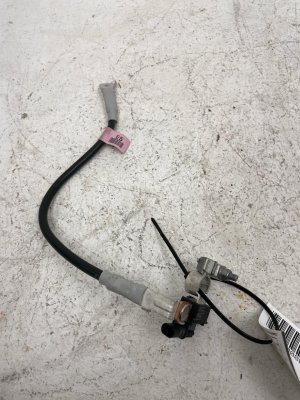
The primary battery ground cable connects the negative battery terminal to the vehicle chassis. It is a heavy-gauge, insulated copper cable with specific terminal ends for the battery post and a chassis bolt.
We Have This Part in Stock

The information in this article is provided for general reference and educational purposes only. Vehicle specifications, procedures, and part compatibility can vary by production date, trim level, and region. Always consult your vehicle's factory service manual and verify part numbers before purchasing or performing repairs. Safety-critical components such as airbags, seat belts, and braking systems should be installed by a qualified professional.
- Kia K5:
- 🛍️ Shop This Part
- Symptoms of a Failing 2025 Kia K5 Battery Ground Cable
- 1. Dim or Flickering Lights
- 2. Slow or No-Start Condition
- 3. Random Warning Lights and Erratic Gauges
- 4. Unexplained Battery Drain
- Known Issues, Recalls, and TSBs for the 2025 Kia K5
- Diagnosing a Bad Ground Connection
- How to Perform a Voltage Drop Test
- Buying a Used 2025 K5 Battery Ground Cable
- Cost Comparison for a 2025 Kia K5 Battery Ground Cable
- Replacement Overview (Difficulty: 1/5)
- Frequently Asked Questions (FAQ)
- 🎟️ Get 5% Off