

2011-2015 Sonata & 2011-2013 Optima Hybrid Battery Management System: A Buyer's Guide to Part 37513-4R000
This critical module manages your hybrid battery, and replacing it isn't a simple swap—here's what you need to know about symptoms, costs, and mandatory programming.
- This part is NOT plug-and-play. A replacement BMS must be professionally installed and programmed to the battery pack using a dealer-level scan tool.
- The BMS is located inside the high-voltage battery pack, making replacement a complex and dangerous job for trained technicians only.
- Symptoms like a 'Check Hybrid System' light often point to failing battery cells, not just a bad BMS. Proper diagnosis is essential.
- Buying a used OEM module is a viable way to save money, but you must factor in the mandatory cost of professional installation and programming.
Symptoms of a Failing Battery Management System


A problem with the BMS can cause a wide range of issues, from warning lights to a no-start condition. Often, a BMS fault code is the first sign of a problem with the high-voltage battery cells themselves, not just the module. Pay attention to these specific symptoms:
- "Check Hybrid System" Warning Light: This is the most common indicator. A message on the dash may instruct you to stop the vehicle and turn off the engine.
- Reduced Power or "Limp Mode": The vehicle may feel sluggish, with poor acceleration as the computer limits power to protect the hybrid components.
- Battery Charging Problems: You might notice the battery charge level on the dashboard never increases, or it drops very quickly. This indicates the BMS is not properly managing the charge and discharge cycles.
- Decreased Fuel Economy: If the electric motor isn't assisting the gasoline engine correctly, the engine will run more often, causing a noticeable drop in MPG.
- Vehicle Won't Start: In some cases, a BMS failure can prevent the vehicle from entering the "Ready" mode. The dashboard might display a "Hybrid Battery Low" message.
Common Diagnostic Trouble Codes (DTCs)
A professional scan tool can pull specific codes related to the BMS and hybrid battery system. Common codes include:
- P1B74 (High Voltage Battery Sensor Circuit): This code can appear if the vehicle has been stored for a long time, allowing the high-voltage battery to completely discharge.
- P1B70 (HEV Battery Voltage Too Low): A Technical Service Bulletin (TSB) was issued for both the Sonata Hybrid (TSB 19-HC-002H) and Kia Optima Hybrid (TSB ELE147) because a software glitch could cause this code to appear falsely. The fix is a dealer-installed software update for the BMS.
- P3000 (Hybrid Control System Malfunction): A general code indicating a fault within the hybrid powertrain.
- P0A0D (High Voltage System Interlock Circuit): Indicates a potential issue with the high-voltage safety connections.
Warning: The high-voltage battery system operates at a lethal 270 volts. All diagnostic and repair work should only be performed by qualified technicians with specific training in hybrid vehicles. Attempting to service these components without proper training and equipment can result in severe injury or death.
Known Issues, Recalls, and Technical Service Bulletins (TSBs)

While the BMS itself is fairly reliable, these vehicles have several important TSBs and safety recalls you should be aware of.
Vehicle-Specific Recalls
- Hyundai Sonata Hybrid (2011-2015) & Kia Optima Hybrid (2011-2013) - ABS Module Fire Risk: A major safety recall (NHTSA ID 23V651000 for Hyundai) was issued because the Anti-Lock Brake System (ABS) module can leak brake fluid internally, leading to an electrical short and a risk of engine compartment fire, even when the car is parked. Owners are advised to park their vehicles outside and away from structures until the recall repair (replacing a fuse) is completed.
- Hyundai Sonata Hybrid (2011-2015) - Seat Belt Linkage: Recall 17V617000 was issued for front seat belt linkages that could detach from the anchor pretensioners.
Relevant Technical Service Bulletins
- BMS Software Updates (Sonata & Optima): Both Hyundai and Kia have released TSBs (19-HC-002H and ELE147, respectively) to update the BMS software. This update corrects a logic error that could falsely trigger the P1B70 trouble code.
- BMS Update After Battery Replacement (Sonata & Optima): TSBs ELE151 and 18-HC-003 mandate that whenever the high-voltage battery pack is replaced, the BMS must be updated with new software using the dealer's diagnostic tool to match the logic to the new battery cells. This confirms that the BMS is not plug-and-play.
Replacement and Programming Requirements

Critical: This Module Requires Programming. A replacement Battery Management System, whether new or used, cannot be simply swapped into the vehicle. It must be programmed and calibrated to the specific high-voltage battery pack it is installed in. This procedure requires a dealer-level diagnostic tool (Hyundai GDS or Kia KDS). Without this step, the module will not function correctly, and you will continue to have warning lights and drivability problems. An independent shop is unlikely to have the required software; plan for a visit to a dealership or a highly specialized hybrid repair facility.
Replacement Procedure Overview
Replacing the BMS is a complex and dangerous job rated 5 out of 5 for difficulty. It is not feasible for a DIY mechanic.
- The high-voltage system must be de-energized by removing the safety plug.
- The entire high-voltage battery pack (weighing over 90 pounds) must be removed from the trunk.
- The battery pack's metal covers, cooling fan, and wiring harnesses must be carefully disassembled to access the internal components.
- The old BMS module is unbolted and its connectors are detached.
- The new module is installed, and the battery pack is reassembled and reinstalled in the vehicle.
- A dealer technician must then use a GDS/KDS scan tool to perform a "BMS Parameter Update" to calibrate the new module to the battery cells.
Buying a Used Battery Management System
Given the mandatory programming, buying a used BMS can be a cost-effective option, but only if you are prepared for the necessary professional installation and calibration. Here's what to look for:
- Match the Part Number Exactly: You must match OEM part number 37513-4R000. While other numbers may exist for later model years, this is the correct part for 2011-2015 Sonata Hybrids and 2011-2013 Optima Hybrids.
- Physical Inspection: Check the used module for any signs of physical damage, corrosion on the pins, or evidence of water intrusion. The casing should be clean and intact.
- Source Vehicle History: If possible, find out the mileage of the vehicle the part came from. A module from a lower-mileage vehicle is preferable, but the electronic nature of this part makes mileage less critical than its proper function. The key is that it was working when removed.
- Factor in Labor and Programming: The low price of a used BMS (often under $150) is appealing, but remember to budget for several hours of professional labor and the cost of dealer programming. Call local shops and the dealer for quotes beforehand.
- Why Used OEM is a Good Choice: There are no new aftermarket versions of this module available. A used OEM module is a reliable and affordable alternative to a new one from the dealer, provided it is installed and programmed correctly.
Cost Comparison
The biggest cost of this repair is the specialized labor, not the part itself if you buy used.
| Part or Service | Estimated Cost |
|---|---|
| New OEM Module | $520 - $740 |
| Used OEM Module | $100 - $150 |
| Shop Labor (Removal, Installation & Programming) | $370 - $540 |
| Total Cost (with Used Part) | $470 - $690 |
| Total Cost (with New OEM Part) | $890 - $1,280 |
Frequently Asked Questions
Can I replace just the BMS, or do I need a whole new battery?
You can replace just the BMS module. However, fault codes from the BMS often indicate that the battery cells themselves are failing. A thorough diagnosis by a hybrid specialist is needed to determine if the fault lies with the module or the battery pack. A Kia TSB notes that every high-voltage battery replacement requires a new BMS to be installed at the same time.
Does a used BMS need to be matched to my car's VIN?
No, it does not appear to be matched to the VIN. However, it absolutely must be programmed or calibrated to the battery pack it is being installed into using a dealer-level scan tool. This is a critical step for it to function.
Can I drive my car with a bad Battery Management System?
It is not recommended. Depending on the failure mode, you may experience a sudden loss of power, which is dangerous while driving. If you see a "Check Hybrid System" warning, you should have the vehicle inspected as soon as possible.
Why did my BMS fail?
The module itself is generally reliable. Most "failures" are actually the BMS correctly reporting a problem, such as degraded battery cells, an imbalanced charge, or a software glitch that can be fixed with an update. In rare cases, the internal electronics can fail, but it's less common than the battery pack itself having issues.
Technical Specifications
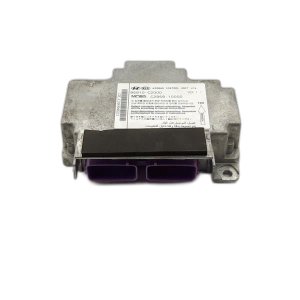
OEM Part Numbers: 37513-4R000 375134R000
Controls a 270-volt Lithium-ion Polymer high-voltage battery system.
We Have This Part in Stock




The information in this article is provided for general reference and educational purposes only. Vehicle specifications, procedures, and part compatibility can vary by production date, trim level, and region. Always consult your vehicle's factory service manual and verify part numbers before purchasing or performing repairs. Safety-critical components such as airbags, seat belts, and braking systems should be installed by a qualified professional.
- Hyundai Sonata:
- Kia Optima:
- 🛍️ Shop This Part
- Symptoms of a Failing Battery Management System
- Common Diagnostic Trouble Codes (DTCs)
- Known Issues, Recalls, and Technical Service Bulletins (TSBs)
- Vehicle-Specific Recalls
- Relevant Technical Service Bulletins
- Replacement and Programming Requirements
- Replacement Procedure Overview
- Buying a Used Battery Management System
- Cost Comparison
- Frequently Asked Questions
- 🎟️ Get 5% Off