

2023 Hyundai Elantra Hybrid Battery Control Module: Diagnosis and Programming Guide
This guide covers the essential diagnosis, replacement, and mandatory programming for the Battery Management System (BMS) in the 2023 Hyundai Elantra Hybrid.
- This part is ONLY for the 2023 Hyundai Elantra HYBRID model and manages the high-voltage battery, not the standard 12V battery.
- A replacement module (new or used) MUST be programmed to the vehicle by a Hyundai dealer or a specialized shop with Hyundai's GDS software.
- Extreme caution is required. Disabling the high-voltage system by removing the safety plug is a mandatory first step to prevent fatal electric shock.
- When buying used, match the part number 37513-BY000 exactly and have a plan for professional installation and programming before you purchase.
Symptoms of a Failing Battery Control Module
A failing Battery Control Module (BCM) or Battery Management System (BMS) in a 2023 Elantra Hybrid will trigger warnings and cause noticeable performance issues. The vehicle's computer system relies on the BMS for critical data about the high-voltage battery's status.
- Hybrid System Warning Lights: The most common symptom is the illumination of a dash warning light, such as "Check Hybrid System" or the Malfunction Indicator Lamp (Check Engine Light).
- Failure to Start or Enter 'Ready' Mode: The vehicle may not start or may fail to go into the "Ready" mode, which indicates the hybrid system is active.
- Problems Charging the Hybrid Battery: You may notice the high-voltage battery level on the dashboard display does not increase as expected during driving or regenerative braking.
- Reduced EV Mode and Fuel Economy: The car may be unable to run in its electric-only (EV) mode, or the gasoline engine may run more often than usual, leading to a noticeable drop in fuel efficiency.
- Sluggish Acceleration: Reduced power or sluggish performance can occur if the BMS is not allowing the hybrid battery to contribute power correctly.
Common Diagnostic Trouble Codes (DTCs)
A professional scan tool can read specific codes from the BMS. Codes pointing to a potential BMS failure include:
- P1BB20: 12V Battery Over Voltage Warning (specifically addressed by a BMS software update in TSB 25-01-010H).
- P1B76: High Voltage Relay Fault.
- P1B77: High Voltage Battery Pre-charging Fault.
- P0A1F: Battery Energy Control Module.
- P0A7F: Hybrid Battery Pack Deterioration.
- U0111: Lost Communication With Battery Energy Control Module “A”.
Pro Tip: The code C1241 for low battery voltage refers to the conventional 12V battery, not the high-voltage hybrid system. Always check the health of the 12V battery first, as a weak 12V battery can cause a wide range of electronic issues in modern cars.
Known Issues, TSBs, and Recalls
For the 2023 model year, there are important software updates and a recall that owners and technicians should be aware of. Note that these are distinct issues affecting different control units.
TSB 25-01-010H: BMS Software Update for DTC P1BB20
Hyundai released a Technical Service Bulletin to address an issue where the Battery Management System may detect a false 12V battery over-voltage condition, setting the code P1BB20. The fix is a simple software update for the BMS (part number 37513-BY000) performed by a Hyundai dealer using their GDS diagnostic tool. The labor time for this update is approximately 0.3 hours.
Recall 23V-589 (Hyundai Campaign 248): Unintended Acceleration
This important safety recall is for certain 2021-2023 Elantra Hybrid vehicles. The issue is caused by a software error in the Motor Control Unit (MCU), not the Battery Control Module. This error can cause slow, unintended acceleration after the brake pedal is released. The remedy is a free software update for the MCU performed by a Hyundai dealer. While this is not a BMS issue, it is critical information for anyone working on or owning one of these vehicles.
Diagnosis and Replacement
Warning: The hybrid system in the Elantra Hybrid uses extremely high voltage that can cause serious injury or death. This is not a repair for beginners. Only technicians trained in high-voltage safety procedures should attempt to diagnose or replace components like the Battery Control Module. Always follow the official manufacturer repair procedures.
High-Voltage System Disable Procedure
Before any work is done on or near high-voltage components (marked with orange cables), the system MUST be depowered.
- Turn the ignition OFF.
- Disconnect the negative terminal of the 12V battery, which is typically located in the trunk.
- Locate and remove the orange high-voltage safety plug (service disconnect).
- Wait at least 10 minutes for the high-voltage capacitors in the system to fully discharge before proceeding.
Replacement Steps
The Battery Control Module is located under the rear seat, near the main hybrid battery pack.
- Perform the high-voltage disable procedure described above.
- Remove the rear seat bottom cushion. It is typically held in by clips and can be removed by pulling up firmly on the front edge.
- Remove the rear seat back, which is secured by several 12mm bolts.
- With the seats removed, you will have access to the hybrid battery assembly cover. Remove the cover to expose the Battery Control Module.
- Carefully disconnect the electrical connectors from the module and remove the bolts securing it in place.
- Install the new module, reconnect the connectors, and reassemble the vehicle in reverse order.
Programming and Calibration Requirements
A replacement Battery Control Module must be programmed to the vehicle after installation. This is not an optional step. The new module needs to be initialized and paired with the vehicle's other control units, such as the Hybrid Powertrain Control Unit. Sellers of used modules consistently state that programming is required.
- Who can program it? This procedure requires the official Hyundai Global Diagnostic System (GDS) software. This means the programming must be done by a Hyundai dealership or a well-equipped independent repair shop that subscribes to Hyundai's diagnostic software. Some remote programming services may also be able to perform the coding online using a J2534 pass-thru device.
- Can I do it myself? No, this is not a DIY-level task. Without the proper tools and software, the vehicle will not operate correctly with a new or used BMS.
Buying a Used Battery Control Module
Given the high cost of a new module, a used OEM part is a viable and cost-effective option. However, there are critical factors to consider:
- Match the Part Number Exactly: The correct part number for the 2023 Hyundai Elantra Hybrid is 37513-BY000 (or 37513BY000). Do not use a module from a different model or year, even if it looks identical. Compatibility is key.
- Inspect for Damage: When the part arrives, check the connectors for any bent or corroded pins. Ensure the casing is not cracked or showing signs of water intrusion.
- Plan for Programming: The most important step is to have a plan for programming BEFORE you buy the part. Contact your local Hyundai dealer or a trusted independent hybrid specialist to confirm they are willing and able to program a customer-supplied used module. Be prepared for the associated labor costs.
- Why Used OEM is a Good Choice: For a complex electronic module like this, a genuine used OEM part is often more reliable than a non-existent or unproven aftermarket alternative. It was designed and manufactured by Hyundai to meet the exact specifications of the vehicle's sensitive hybrid system.
Cost Breakdown
The cost to replace the Battery Control Module can vary significantly based on the part source and labor rates.
| Item | Estimated Cost | Notes |
|---|---|---|
| New OEM Part | $415 - $605 | Price from online Hyundai dealers. MSRP is on the higher end of this range. |
| Used OEM Part | $200 - $250 | Typical price from online sellers like eBay. |
| New Aftermarket / Remanufactured | Not Available | As of late 2026, no aftermarket or remanufactured options were found. |
| Shop Labor (Replacement & Programming) | $250 - $500 | Estimated 2.0-3.0 hours of labor for physical replacement and computer programming. Dealer rates will be higher. |
| Total Estimated Cost (Used Part) | $450 - $750 | Using a recycled OEM part provides the best value. |
| Total Estimated Cost (New Part) | $665 - $1,105 | Using a new OEM part from a dealer. |
Frequently Asked Questions (FAQ)
Does a replacement Battery Control Module need to be programmed?
Yes, absolutely. A new or used module must be programmed to the vehicle using Hyundai's specific diagnostic software (GDS). The car will not function correctly without this step. You must factor in the cost of programming by a dealer or qualified shop.
Can I drive my Elantra Hybrid with a bad Battery Control Module?
It is not recommended. A failing BMS can lead to a no-start condition, leaving you stranded. It can also cause the vehicle to enter a reduced-power "limp mode" or, in some cases, fail to charge the high-voltage battery, potentially causing further issues with the hybrid system.
Is the Battery Control Module the same as the Body Control Module?
No, they are completely different parts. The Battery Control Module (or BMS) manages the high-voltage hybrid battery. The Body Control Module (BCM) manages general vehicle electronics like power windows, door locks, and interior lighting.
What is the high-voltage safety plug and why is it important?
The safety plug is a bright orange, removable connector that physically disconnects the high-voltage battery from the rest of the vehicle's electrical system. Removing it is the most critical safety step before working on any hybrid component. Failure to remove it and wait for the system to discharge can result in severe electrical shock and injury.
Technical Specifications
OEM Part Numbers: 37513-BY000 37513BY000
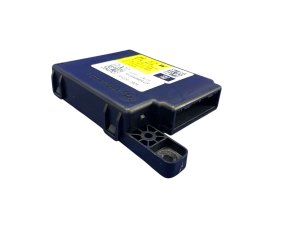
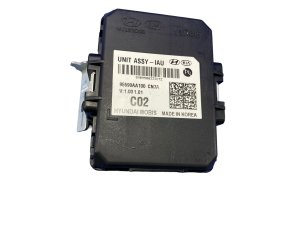
Also known as: Battery Management System (BMS), Controller, Battery Energy Control Module. Fits 2021-2023 Hyundai Elantra Hybrid models.
We Have This Part in Stock





The information in this article is provided for general reference and educational purposes only. Vehicle specifications, procedures, and part compatibility can vary by production date, trim level, and region. Always consult your vehicle's factory service manual and verify part numbers before purchasing or performing repairs. Safety-critical components such as airbags, seat belts, and braking systems should be installed by a qualified professional.
- Hyundai Elantra:
- 🛍️ Shop This Part
- Symptoms of a Failing Battery Control Module
- Common Diagnostic Trouble Codes (DTCs)
- Known Issues, TSBs, and Recalls
- TSB 25-01-010H: BMS Software Update for DTC P1BB20
- Recall 23V-589 (Hyundai Campaign 248): Unintended Acceleration
- Diagnosis and Replacement
- High-Voltage System Disable Procedure
- Replacement Steps
- Programming and Calibration Requirements
- Buying a Used Battery Control Module
- Cost Breakdown
- Frequently Asked Questions (FAQ)
- 🎟️ Get 5% Off