

2013-2015 Chevrolet Volt High-Voltage Battery: Diagnosis and Used Buying Guide
A deep dive into diagnosing failure, navigating common issues like the BECM, and safely purchasing a used high-voltage battery for your first-generation Volt.
- The "Service High Voltage Charging System" light is often caused by a cheap fix like low coolant or a software update, not a failed battery pack.
- Professional installation is mandatory due to extreme high-voltage danger and the need for specialized software to program the new battery to the car.
- For 2013 models, ensure safety recall 18V397 has been performed to fix a software bug that could cause the car to lose power while driving.
- When buying a used battery, prioritize units from low-mileage vehicles that were operated in mild climates to ensure the best possible remaining health.
Is Your Volt's High-Voltage Battery Really Failing? Common Symptoms


Many owners' first fear when a warning light appears is a multi-thousand dollar battery replacement. However, several less severe issues can mimic a battery failure. Understanding the specific symptoms is key to a correct diagnosis.
"Service High Voltage Charging System" Message
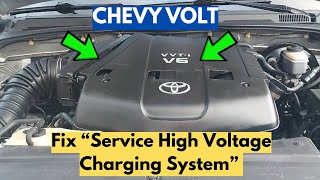
This is one of the most common warnings Volt owners encounter. While it sounds serious, it often does not mean the main battery has failed. The system triggers this message for a variety of reasons, often as a protective measure. Common causes include a low battery coolant level, a faulty coolant level sensor, or a software issue with one of the control modules, like the Battery Energy Control Module (BECM) or Hybrid Powertrain Control Module 2 (HPCM2). In many cases, topping off the coolant or reprogramming the modules resolves the issue without needing to touch the battery itself.
🎬 Watch this step-by-step fix for the high voltage charging warningReduced Electric Range
All batteries degrade over time, and the Volt's is no exception. A noticeable, consistent decrease in the number of miles you can drive on a full charge is a primary symptom of battery aging. For example, if your car that used to get 38 miles of range now only gets 25 under similar driving conditions, the battery's capacity has likely diminished. This is often caused by the natural aging of the internal cells. It's important to distinguish this from temporary range loss caused by extreme cold weather, which is normal.
Failure to Charge
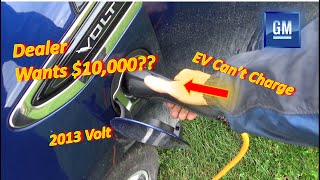
If you plug in your Volt and it refuses to charge, it could be a sign of a battery problem. The vehicle's internal safety systems can prevent charging if a fault is detected, such as an isolation fault (DTC P0AA6) or other internal battery issues. 🎬 See how to diagnose and clear the P0AA6 charging code However, this symptom can also be caused by problems with the charging equipment, the vehicle's charge port, or the aforementioned control module faults.
Sudden Loss of Power or "Reduced Propulsion Power" Message
A sudden shift to "Reduced Propulsion Power" mode can be alarming. This can happen if the battery management system detects an imbalance between cells or a low voltage condition in one or more cells. The car limits power to protect the battery from further damage. 🎬 Watch how to diagnose failing battery cells using GDS 2 In severe cases, the vehicle may lose propulsion entirely. This was the subject of a safety recall for some 2013 models where a software error prevented proper cell balancing.
Common Diagnostic Trouble Codes (DTCs)
A professional scan tool can reveal specific codes that point to the problem. Some common codes related to high-voltage battery issues include:
- P1E00 / P0AFA: These are general codes often indicating a hybrid powertrain issue that needs further diagnosis. They frequently appear alongside other, more specific codes.
- P0AA6: Indicates a Hybrid/EV Battery Voltage System Isolation Lost fault. This means there could be a short in the high-voltage system.
- P0C8B: Points to a fault with a battery temperature sensor.
Pro Tip: Before assuming the worst, check the battery coolant level in the dedicated reservoir. A low level is a frequent and inexpensive cause of the "Service High Voltage Charging System" message.
Known Issues, Recalls, and Bulletins for 2013-2015 Volt Batteries

Safety Recall 18V397 (GM #18215)
This critical recall affects certain 2013 Chevrolet Volt vehicles. A previous dealer-installed software update for the Hybrid Powertrain Control Module 2 (HPCM2) contained an error that disabled the battery's cell balancing function. This could lead to a low-voltage condition in some cells, triggering a reduced power mode and potentially a complete loss of propulsion. The fix is a software reprogram of the HPCM2, performed by a dealer free of charge.
Battery Energy Control Module (BECM) Failure
A well-known issue in the Volt community is the failure of the BECM. This module is the brain of the battery pack, and when it fails, it can cause a no-start condition, prevent charging, and trigger the "Service High Voltage Charging System" message. Often, this requires reprogramming or replacing the BECM, which is located inside the battery assembly but is a separate component from the battery cells themselves.
Buyer's Guide: What to Check Before Purchasing a Used 2013-2015 Volt Battery

Buying a used high-voltage battery can be a cost-effective solution, but it requires careful vetting to avoid purchasing a component that is near the end of its life or incompatible.
Physical Inspection
Once the battery is removed from the donor vehicle, inspect the outer case for any signs of physical damage, such as cracks, dents, or punctures. Check all connectors for corrosion or damage. Look for any evidence of fluid leaks, which could indicate a breach in the internal cooling system—a major red flag.
Verify Compatibility and History
It is essential to get the part number from the used battery and match it to your vehicle's requirements. The initial data provided lists several compatible OEM part numbers, including 22856838, 24044438, and 24044440. Also, ask the seller for the VIN of the donor car. This allows you to check its history, including mileage and whether it was operated in a hot climate like Arizona or a milder one. Batteries from cooler climates tend to have less degradation.
Warning: The initial buyer warnings mention verifying the module channel count (18, 24, or 30). While Gen 1 (2011-2015) and Gen 2 (2016+) batteries are different, within the 2013-2015 range, compatibility is generally good. However, always confirm the specific part number for the safest transaction. For example, part number 24044440 is described as a 30-channel module.
How to Estimate Battery Health
A simple voltage test is not sufficient for a high-voltage battery. The best real-world test is to check the usable capacity (kWh) from a full charge to depletion. Ask the recycler if they have a report on the battery's state of health (SOH) or its last known kWh usage from the donor car's display. A healthy 2013-2015 Volt battery should have originally provided around 10.2-11.2 kWh of usable energy. A used battery showing 8-9 kWh would still have significant life left, while one showing less than 7 kWh may not be a good value.
Shipping and Core Charges
These batteries are heavy (over 400 lbs) and contain hazardous materials. They must be shipped via freight, which adds significant cost. Most sellers will also require a "core charge" of several hundred to over a thousand dollars, which is refunded when you return your old battery.
Replacement Cost and Procedure

Cost Comparison
The cost of replacing a Volt battery varies dramatically based on the source of the part.
| Part Source | Estimated Price Range (Part Only) |
|---|---|
| New OEM (Dealer) | $8,600 - $10,200 |
| New Aftermarket | $7,999 |
| Remanufactured OEM | $2,950 - $5,900 |
| Used OEM (Recycled) | $2,000 - $3,500 |
Installation: Why Professional Help is Required
Installation Difficulty: 5 out of 5. This is not a DIY project. The battery pack weighs over 400 pounds and carries lethal voltage. Specialized equipment, including a vehicle lift and high-voltage safety gear, is required. After installation, the control modules must be programmed to the vehicle using GM's GDS 2 software for the car to function correctly.
Shop labor costs for this job are significant, typically estimated between $659 and $967, and can take several hours.
Frequently Asked Questions (FAQ)
Can I replace just one bad module inside the battery?
Yes, this is possible and can be a cost-effective repair. The Volt battery is made of several modules, and if a technician can identify a single faulty module, it can be swapped out. However, this requires specialized diagnostic tools to identify the weak module and the labor to disassemble the pack.
What is a BECM and is it part of the battery?
The BECM (Battery Energy Control Module) is the computer that controls the battery pack. It is physically located on or inside the battery assembly but is a distinct, replaceable part. A faulty BECM can cause many symptoms of a bad battery, and replacing it is much cheaper than replacing the entire pack.
How long should a 2013-2015 Volt battery last?
Many Volt batteries last 8 to 10 years, or even longer, often exceeding 100,000 to 150,000 miles. The car's excellent thermal management system helps preserve battery life. Longevity is heavily influenced by climate (heat is the enemy) and charging habits.
Will a newer (2016+) Volt battery fit in my 2014 Volt?
No, the battery packs from the second-generation Volt (2016-2019) are not directly compatible with first-generation (2011-2015) vehicles. They have a different physical shape, cell configuration, and capacity.
Technical Specifications
| Specification | Value |
|---|---|
| Vehicle Fitment | 2013-2015 Chevrolet Volt, 2014-2016 Cadillac ELR |
| OEM Part Numbers | 20955253, 20955254, 22856838, 22885655, 22885656, 22885657, 22911435, 24044438, 24044440 |
| Total Energy Capacity (New) | 16.5 - 17.1 kWh |
| Usable Energy Capacity (New) | ~10.2 - 11.2 kWh |
| Nominal Voltage | 360V |
| Weight | Approx. 435 lbs (196 kg) |
| Cell Configuration | 96 in series, 3 in parallel (288 cells total) |
Helpful Videos


Technical Specifications
OEM Part Numbers: 20955253 20955254 22856838 22885655 22885656 22885657 22911435 24044438 24044440
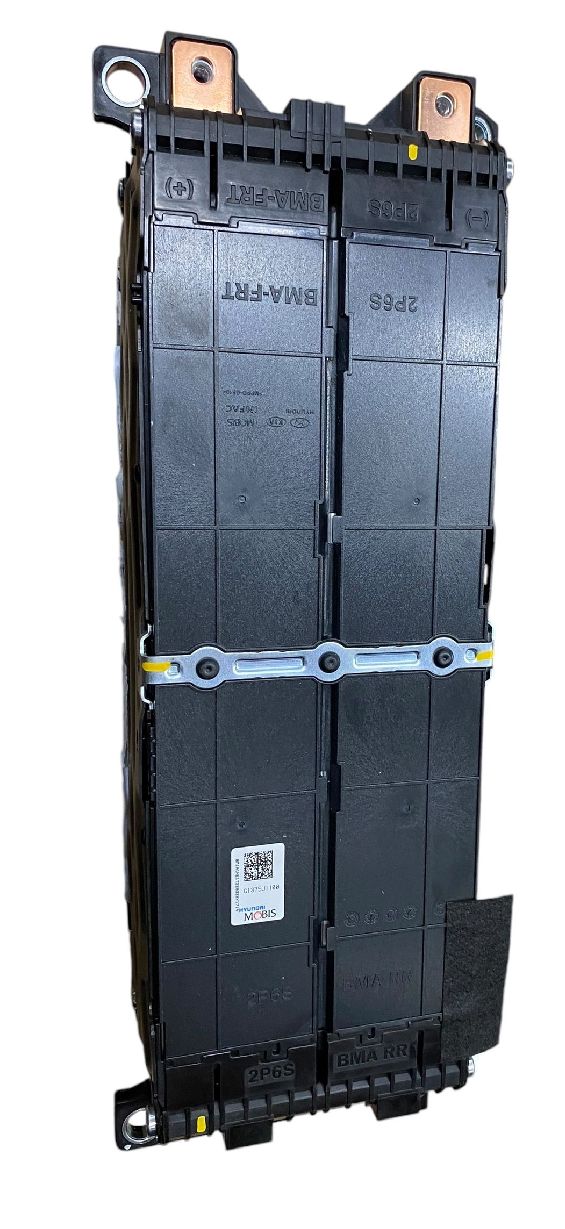
Total Capacity: 16.5-17.1 kWh. Usable Capacity: ~10.2-11.2 kWh. Nominal Voltage: 360V. Weight: Approx. 435 lbs.
We Have This Part in Stock


The information in this article is provided for general reference and educational purposes only. Vehicle specifications, procedures, and part compatibility can vary by production date, trim level, and region. Always consult your vehicle's factory service manual and verify part numbers before purchasing or performing repairs. Safety-critical components such as airbags, seat belts, and braking systems should be installed by a qualified professional.
- Chevrolet Volt:
- 🎬 Helpful Videos
- 🛍️ Shop This Part
- Is Your Volt's High-Voltage Battery Really Failing? Common Symptoms
- "Service High Voltage Charging System" Message
- Reduced Electric Range
- Failure to Charge
- Sudden Loss of Power or "Reduced Propulsion Power" Message
- Common Diagnostic Trouble Codes (DTCs)
- Known Issues, Recalls, and Bulletins for 2013-2015 Volt Batteries
- Safety Recall 18V397 (GM #18215)
- Battery Energy Control Module (BECM) Failure
- Buyer's Guide: What to Check Before Purchasing a Used 2013-2015 Volt Battery
- Physical Inspection
- Verify Compatibility and History
- How to Estimate Battery Health
- Shipping and Core Charges
- Replacement Cost and Procedure
- Cost Comparison
- Installation: Why Professional Help is Required
- Frequently Asked Questions (FAQ)
- Technical Specifications
- 🎟️ Get 5% Off