

2016 Cadillac ELR High-Voltage Battery: Failures, Replacement, and Used Buying Tips
This guide covers the critical details of the 2016 Cadillac ELR's main propulsion battery, from failure symptoms and TSBs to the complex replacement process.
- Replacement is NOT a DIY job. The 360-volt system is extremely dangerous and requires professional disabling, removal, and installation.
- The 2016 ELR battery is different from the 2014 model; they are not interchangeable. Verify the part number is 24290240.
- Mandatory programming is required after installation. The Battery Energy Control Module (BECM) and Hybrid Powertrain Control Module 2 (HPCM2) must be configured with GM-specific software.
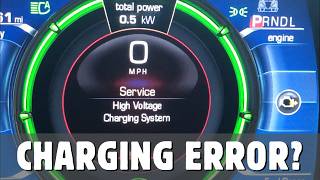
- A "Service High Voltage Charging System" message is a common symptom that can be caused by a faulty coolant level sensor, not just a failed battery pack.
Understanding the 2016 Cadillac ELR High-Voltage Battery

The 2016 Cadillac ELR uses a 17.1 kWh lithium-ion battery pack, an upgrade from the 16.5 kWh pack in the 2014 model. This battery is the primary power source for electric driving and is a complex, high-voltage component located along the vehicle's centerline for optimal weight distribution. Due to its complexity and the dangers of high-voltage electricity (360 volts), all service and replacement must be performed by trained technicians with specialized equipment.
Warning: Never attempt to service, repair, or remove the high-voltage battery yourself. It contains extremely high voltage that can cause serious injury or death. This is a job exclusively for certified professionals with the correct personal protective equipment (PPE) and high-voltage disabling procedures.
Known Issues, Recalls, and Technical Service Bulletins (TSBs)

While the battery systems in the ELR and its sibling, the Chevrolet Volt, are generally reliable, some specific issues are known to occur.
Recalls
As of mid-2024, there are no specific recalls issued by the National Highway Traffic Safety Administration (NHTSA) for the high-voltage battery of the 2016 Cadillac ELR.
Technical Service Bulletins (TSBs)
- PIP4841N: This bulletin outlines the official GM process for diagnosing and exchanging the high-voltage battery for the 2014-2016 ELR. It confirms that these batteries are restricted parts, requiring GM Technical Assistance Center (TAC) involvement for replacement.
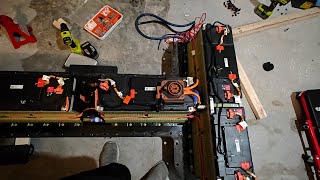
- 22-NA-207: This document provides guidance on battery pack repair or replacement. It specifies that if a DTC P0AA6 (loss of isolation) is present, or if there is moisture inside the pack, a complete replacement is required. It also discusses the replacement of individual battery sections for other faults like P0A7F (end of life). 🎬 See how to repair a bad battery cell budget-friendly
- SB-10052204-9186 / PIC5414: A common issue is the "Service High Voltage Charging System" message, which can prevent charging. This is often caused by a faulty battery coolant level sensor due to bad internal solder joints, which triggers a host of DTCs including P0AA6, P1AE6, and several starting with P1FF. Sometimes, simply topping off the correct coolant reservoir can resolve the message.
Symptoms of a Failing High-Voltage Battery

A failing HV battery will present several clear symptoms. It's important to distinguish these from issues with the separate 12-volt accessory battery, which can cause starting problems and electrical glitches but is a much simpler fix.
- Significantly Reduced Electric Range: The most obvious sign is a noticeable drop in the miles you can travel on a full charge. While some degradation over time is normal (about 2% per year), a sudden or dramatic decrease indicates a problem.
- "Service High Voltage Charging System" Message: This warning on the dashboard is a common indicator of a range of issues, from a simple low coolant level to a serious internal battery fault.
- Inability to Charge or Slow Charging: The battery may refuse to accept a charge, or charging may take much longer than usual. This can happen if the Battery Management System (BMS) detects a fault with a cell or a system imbalance.
- Warning Lights and DTCs: A check engine light or specific battery warning icon will illuminate. Common fault codes include P0AFA (Hybrid/EV Battery Pack Voltage System Isolation Fault), P0AA6 (Hybrid/EV Battery Voltage System Isolation Lost), and P0A7F (Hybrid/EV Battery Pack Deterioration).
- Reduced Performance: You may notice sluggish acceleration as the battery becomes unable to deliver the required power.
Pro Tip: A "Service High Voltage Charging System" message can sometimes be triggered by a low coolant level in the battery's dedicated cooling system. Before assuming the worst, check the coolant reservoir for the hybrid system (it's separate from the engine coolant).
Buying a Used 2016 ELR Battery

Given the high cost of a new battery, a used OEM unit is a viable option. However, you must be extremely careful when purchasing one.
Key Inspection Points:
- Verify Compatibility: Ensure the battery is from a 2016 model. The 2014 ELR used a different battery pack, and they are not interchangeable. The correct OEM part number for the 2016 model is 24290240.
- Check the Donor Vehicle's History: Obtain the VIN of the vehicle the battery came from. Look for its mileage and any history of accidents. A battery from a low-mileage, non-wrecked vehicle is ideal.
- Physical Inspection: Carefully inspect the battery's outer casing for any signs of physical damage, cracks, dents, or leaks. Any breach in the casing is a major red flag. Ensure all connectors are intact and not corroded.
- State of Health (SOH) Data: If possible, request a diagnostic report showing the battery's state of health and any stored fault codes. This requires specialized tools but provides the best insight into the battery's condition. A battery with balanced cells and high capacity is a good buy.
- Warranty: Only buy from a reputable seller that offers a warranty. This protects you if the battery is dead on arrival or fails shortly after installation.
- Shipping and Storage: The battery must be shipped and stored correctly, following hazardous materials guidelines. It should be kept flat in a protected environment and placed in a proper shipping container.
Replacement Process and Programming
Replacing the high-voltage battery is a major undertaking rated at the highest difficulty level.
Difficulty: 5 out of 5 (Professional Only)
DIY Feasible: No
Estimated Time: 6-8 hours
The process involves disabling the high-voltage system, draining the battery's dedicated cooling system, physically dropping the T-shaped battery pack from underneath the vehicle, and then reversing the process.
Programming is mandatory. After installation, several modules must be reprogrammed using GM's GDS2 software:
- The K16 Battery Energy Control Module (BECM) must be programmed to the vehicle.
- The K114B Hybrid Powertrain Control Module 2 (HPCM2) data must be reset.
- A Hybrid/EV Pack Capacity Learn procedure must be performed. This involves a specific drive cycle to allow the system to learn the new battery's capacity.
Cost Comparison
The cost of replacing the ELR's high-voltage battery is substantial, making a used OEM part an attractive alternative.
| Part Type | Estimated Cost |
|---|---|
| New OEM (Dealer) | $9,200 - $25,000+ (Part only, if available) |
| Remanufactured | $5,500 - $8,500 |
| Used OEM | $3,000 - $6,000 (Varies widely based on condition and source) |
| Shop Labor | $650 - $1,200 |
Frequently Asked Questions (FAQ)
Can I drive with a failing high-voltage battery?
It is not recommended. Depending on the failure mode, you could experience sudden power loss, or the vehicle may enter a 'limp mode' with severely reduced power. If the "Service High Voltage System" light is on, the vehicle may not be safe to operate and could leave you stranded.
Is the 2016 ELR battery the same as a Chevy Volt battery?
The 2016 ELR is based on the second-generation Chevrolet Volt platform, and they share core Voltec powertrain technology. However, the ELR has specific tuning and software. While the battery packs are physically similar and share many components, you must use a battery specifically designated for the 2016 ELR to ensure full compatibility, especially with control modules and software.
What is the warranty on the original battery?
The original high-voltage battery was covered by a federal mandate for 8 years or 100,000 miles. In states that follow California's emissions standards (PZEV states), the warranty was extended to 10 years or 150,000 miles. As of 2026, most of these original warranties have expired.
Why does the replacement require programming?
The Battery Energy Control Module (BECM) is the brain of the battery pack. It monitors the health of every cell, manages charging and discharging, and communicates with the rest of the vehicle. When a new battery is installed, the BECM must be programmed to the car's VIN, and the vehicle's main computer (HPCM2) must be told to forget the old battery's data and learn the capacity of the new one. Without this, the car won't know how to use the new battery correctly.
Helpful Videos
Technical Specifications
OEM Part Numbers: 24278449 24278450 24290240
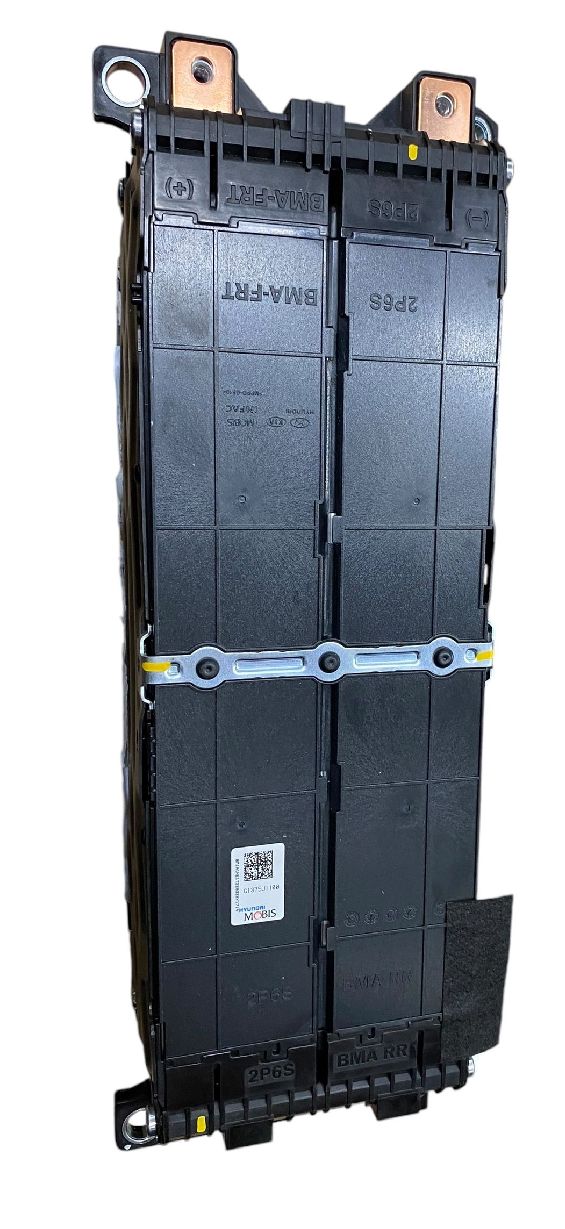
Type: Lithium-Ion Capacity: 17.1 kWh Weight: 435 lbs (198 kg) Nominal Voltage: 360V Configuration: T-shaped pack with 96 cells
We Have This Part in Stock


The information in this article is provided for general reference and educational purposes only. Vehicle specifications, procedures, and part compatibility can vary by production date, trim level, and region. Always consult your vehicle's factory service manual and verify part numbers before purchasing or performing repairs. Safety-critical components such as airbags, seat belts, and braking systems should be installed by a qualified professional.
- Cadillac ELR:
- 🎬 Helpful Videos
- 🛍️ Shop This Part
- Understanding the 2016 Cadillac ELR High-Voltage Battery
- Known Issues, Recalls, and Technical Service Bulletins (TSBs)
- Recalls
- Technical Service Bulletins (TSBs)
- Symptoms of a Failing High-Voltage Battery
- Buying a Used 2016 ELR Battery
- Key Inspection Points:
- Replacement Process and Programming
- Cost Comparison
- Frequently Asked Questions (FAQ)
- 🎟️ Get 5% Off