

2025-2026 Kia K5 Battery Cable: A Guide to Engine-Specific Part Numbers and Replacement
This guide details the critical differences between battery cables for the 2.5L and 2.5L Turbo engines, common failure symptoms, and how to choose the correct used part.
- The most critical factor is verifying the correct part number, as there are three different positive cables for the 2025-2026 K5 based on engine (Turbo vs. Non-Turbo) and trim.
- When buying a used cable, prioritize a visual inspection of the terminals for corrosion, the fusible link block for melting, and the insulation for cracks or swelling.
- There are no known recalls or TSBs for battery cable failures on these models, meaning failures are typically isolated incidents of damage or corrosion.
- Symptoms of a bad cable (no-start, slow crank, flickering lights) often mimic a dead battery, but a jump-start may not resolve the issue.
Critical Fitment Warning: Engine and Trim Determine the Correct Part

For the 2025-2026 Kia K5, you cannot assume all battery cables are the same. Kia uses different positive battery cable assemblies depending on the engine and trim package. The 2025 model year introduced a new 2.5L non-turbo engine for lower trims, while the GT model retains the 2.5L Turbo. This is the primary point of variation.
Warning: Installing the wrong battery cable can lead to improper fitment, inability to connect to the starter or fuse box, and potential electrical issues. Always verify your engine and match your original part number before purchasing a replacement.
Positive Battery Cable Variants:
- 2.5L Turbo (GT Trim): This engine uses a specific positive cable assembly, part number 91855-L2620.
- 2.5L Non-Turbo (With Sports Package): This configuration requires positive cable assembly 91855-L2540, which is superseded by part number 91855-L2541.
- 2.5L Non-Turbo (Without Sports Package): This base configuration uses positive cable assembly 91855-L2550, which is superseded by part number 91855-L2551.
Negative Battery Cable:
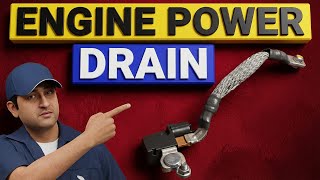
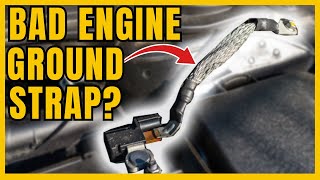
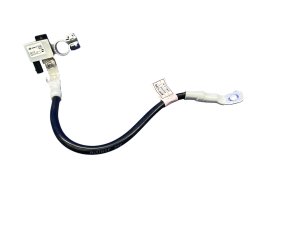
The negative battery cable, which includes the battery sensor assembly, appears to be consistent across all 2025-2026 K5 models. The most common part number is 37180-L2500.
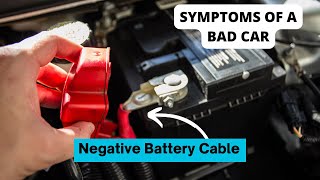
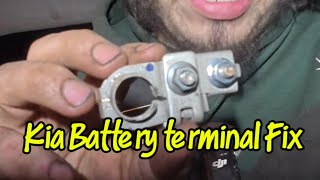
Symptoms of a Failing Battery Cable 🎬 Watch: Common symptoms of a bad negative battery cable

A bad battery cable often mimics the symptoms of a dead battery, but jump-starting the car may not work or only work intermittently. Here are the most common signs:
- No-Start or No-Crank: You turn the key or press the start button, and nothing happens, or you only hear a single, sharp click from the engine bay. This means not enough power is reaching the starter.
- Slow Engine Crank: The engine turns over much more slowly than usual, as if the battery is weak. This is caused by high resistance in the cable, restricting the flow of electricity.
- Flickering or Dim Lights: Headlights and interior dome lights may flicker, dim, or act erratically, especially when trying to start the engine. This indicates an unstable electrical connection.
- Complete Loss of Power: The vehicle may suddenly lose all electrical power while driving or after hitting a bump.
- Visible Corrosion: A white, green, or bluish powder builds up on the battery terminals and cable ends. This corrosion creates resistance and can eventually eat through the metal connectors.
- Physical Damage: The cable's black or red insulation may be swollen, melted, cracked, or frayed, exposing the copper wire underneath.
Buying a Used 2025-2026 K5 Battery Cable: What to Check

Since these are newer vehicles, a used battery cable will likely come from a low-mileage car involved in a collision. This can be an excellent value, but a thorough inspection is crucial.
1. Part Number Verification is #1
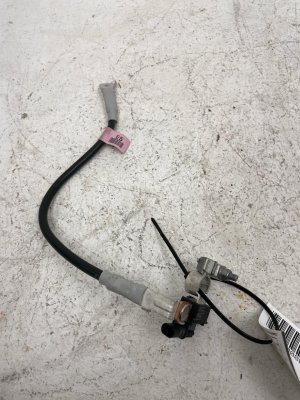
This is the most important step. Get the part number from your original cable and match it exactly to the used part you are considering. Use the variant list above as your guide. Do not trust a seller's generic description; get a clear photo of the part number tag on the cable itself.
2. Inspect the Terminals
Examine the lead or stamped metal ends that connect to the battery posts.
- Reject if: There is heavy, crusty corrosion that has pitted the metal.
- Reject if: The terminal is bent, distorted, or cracked from being overtightened.
- Acceptable: Minor surface discoloration that can be cleaned off with a wire brush.
3. Examine the Fusible Link Block (Positive Cable)
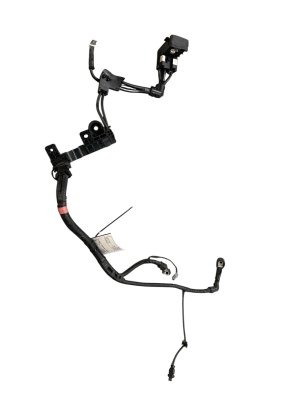
The positive cable has a plastic housing on the terminal end that contains critical fuses. This is a common failure point.
- Reject if: The plastic housing is cracked, melted, or shows any signs of heat damage.
- Reject if: The main nut or any of the smaller fuse connections are stripped or heavily corroded.
- Why OEM is Better: A used OEM assembly with an intact fusible link is often more reliable than cheap aftermarket terminals that require cutting and splicing wires.
4. Check the Entire Cable Length
Run your hands along the full length of the cable's insulation.
- Reject if: You feel any bumps, swelling, or soft spots, which indicate internal corrosion or heat damage.
- Reject if: The insulation is cut, frayed, or brittle. Exposed copper wire is an immediate red flag.
5. Inspect the Battery Sensor (Negative Cable)
On the negative cable (37180-L2500), inspect the small plastic box (the battery sensor) attached to the terminal. Ensure the plastic isn't cracked and the small wire harness connected to it is intact.
Known Issues, Recalls, and TSBs
As of mid-2026, there are no active recalls or Technical Service Bulletins (TSBs) from Kia or the NHTSA that specifically address battery cable failures on the 2025-2026 Kia K5. Recalls have been issued for this model for issues like detaching exterior trim (NHTSA 25V494000) and software errors causing flickering lights (NHTSA 25V351000), but none relate to the main power cables. This suggests that cable failures are not a widespread factory defect but rather isolated incidents due to damage or corrosion.
Cost Comparison for 2025-2026 Kia K5 Battery Cables
Prices can vary, but this provides a general expectation of costs. The positive cable assembly is significantly more expensive than the negative due to the integrated fusible link.
| Part / Service | Estimated Cost |
|---|---|
| New OEM Positive Cable (Turbo) | $300 - $450 |
| New OEM Negative Cable | $140 - $215 |
| Used OEM Assembly | $75 - $200 |
| New Aftermarket (Universal/Generic) | $25 - $100 (Vehicle-specific assemblies are not yet common) |
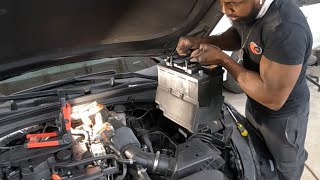
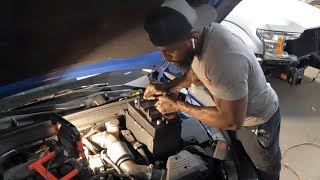
| Shop Labor for Replacement | 🎬 See this step-by-step Kia K5 battery replacement guide$100 - $250 (approx. 1-1.5 hours) |
Frequently Asked Questions (FAQ)
Why are there three different positive battery cables for the same car?
The different cables are required for different powertrains and equipment levels. The 2.5L Turbo engine in the GT has a different layout and electrical demand than the standard 2.5L non-turbo engine. Furthermore, the non-turbo models have slight variations depending on whether the car has the 'sports package,' which can affect cable routing or connections.
Can I just clean the corrosion off my old cable? 🎬 Watch: How to clean battery terminal corrosion safely
You can and should clean minor corrosion from the terminals as part of regular maintenance using a wire brush and a water/baking soda solution. However, if the corrosion is severe, has damaged the metal terminal, or if the cable is swollen or stiff, cleaning is not enough. The damage is likely internal, and the entire cable assembly must be replaced to ensure a safe and reliable connection.
Do I need to reset the car's computer after replacing a battery cable?
After disconnecting the battery, you will likely lose some basic settings. You may need to reset your one-touch automatic power windows, sunroof position, and saved radio presets. The car's main computer (ECU) will relearn its idle and fuel trim settings over the first few drive cycles. No special scan tool is typically required for a simple battery cable replacement.
What is the difference between the positive and negative cable?
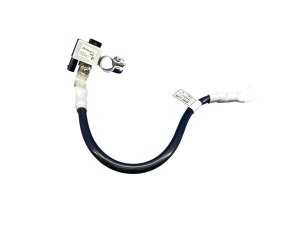
The positive cable (red or with a red cover) is a complex assembly that includes a fusible link block—a set of high-amperage fuses that protect the entire car. The negative cable (black) is primarily a ground connection but also includes the intelligent battery sensor, which is crucial for the vehicle's charging system management.
Helpful Videos




Technical Specifications
OEM Part Numbers: 37180-L2500 37180L2500 91855-L2540 91855-L2541 91855-L2550 91855-L2551 91855-L2620
Cables are vehicle-specific assemblies. The positive cable includes an integrated multi-fuse block (fusible link). The negative cable includes an integrated battery monitoring sensor.
We Have This Part in Stock

The information in this article is provided for general reference and educational purposes only. Vehicle specifications, procedures, and part compatibility can vary by production date, trim level, and region. Always consult your vehicle's factory service manual and verify part numbers before purchasing or performing repairs. Safety-critical components such as airbags, seat belts, and braking systems should be installed by a qualified professional.
- Kia K5:
- 🎬 Helpful Videos
- 🛍️ Shop This Part
- Critical Fitment Warning: Engine and Trim Determine the Correct Part
- Positive Battery Cable Variants:
- Negative Battery Cable:
- Symptoms of a Failing Battery Cable
- Buying a Used 2025-2026 K5 Battery Cable: What to Check
- 1. Part Number Verification is #1
- 2. Inspect the Terminals
- 3. Examine the Fusible Link Block (Positive Cable)
- 4. Check the Entire Cable Length
- 5. Inspect the Battery Sensor (Negative Cable)
- Known Issues, Recalls, and TSBs
- Cost Comparison for 2025-2026 Kia K5 Battery Cables
- Frequently Asked Questions (FAQ)
- 🎟️ Get 5% Off