

2018-2023 Porsche Panamera E-Hybrid Battery Cable Harness: Faults, Fitment, and Replacement
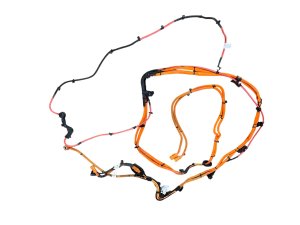
This guide covers the common failure symptoms, replacement costs, and critical inspection points for the high-voltage positive battery cable harness in Panamera Hybrid models.
- This harness is ONLY for 2018-2023 Panamera E-Hybrid models with the standard wheelbase built after May 27, 2018.
- Failure is critical, often causing a "Hybrid system fault" warning and complete vehicle shutdown. Driving is not recommended.
- Replacement is NOT a DIY job. It requires a hybrid-certified technician due to lethal high-voltage risks and extensive disassembly.
- When buying used, meticulously inspect for corrosion, insulation damage (swelling/cracks), and ensure the part number matches exactly.
Symptoms of a Failing Battery Cable Harness
A failure in the Panamera E-Hybrid's main battery harness is a serious issue that can disable the vehicle. Symptoms often mimic a dead high-voltage battery and can appear suddenly. Be aware of the following indicators:
- "Hybrid system fault" Message: This is the most common and serious warning. It will appear on the instrument cluster and indicates a critical problem within the high-voltage system. The car may enter a reduced-power "limp mode" or shut down completely.
- Inability to Start or Charge: The vehicle may refuse to start, or you may hear a click with no engine turnover. Similarly, the vehicle may not respond when plugged into a charger, or the charging process may fail to initiate.
- Complete Loss of Power: In some cases, the vehicle may lose all electrical power while driving or after hitting a bump, as a damaged cable momentarily loses connection. This can be extremely dangerous.
- Intermittent Electrical Problems: Before a total failure, you might experience flickering lights or dashboard warnings that come and go. This can point to a loose connection or internal damage within the cable.
- Error Code P0A7D00: A Porsche-specific diagnostic tool (PIWIS) may reveal fault codes related to the high-voltage battery's state of charge, such as P0A7D00 ("High-voltage battery, state of charge (SOC) – fault"), indicating a problem in the battery circuit.
Warning: The high-voltage system in the Panamera E-Hybrid operates at lethal voltages. Never attempt to inspect, disconnect, or replace high-voltage components, including this harness, without proper training and safety equipment. This work should only be performed by a qualified technician.
Known Issues, Recalls, and Technical Service Bulletins (TSBs)
While there are no specific recalls for this battery cable harness, several related issues and recalls affect the 2018-2023 Panamera E-Hybrid and are important for owners to be aware of:
- Water Ingress in Trunk: A known issue involves blocked sunroof drains, which can cause water to leak into the trunk area where the high-voltage battery and this harness are located. Moisture is a primary cause of high-voltage component failure and corrosion.
- Recall AKA5 (2018 models): Some 2018 Panamera models, including the E-Hybrid, were recalled for an incorrectly soldered control unit that could cause intermittent driveability problems and increase the risk of a crash.
- Recall 23V-841 (2021-2023 models): This recall addresses a faulty NEMA charging cable (the cable that connects the car to a wall outlet) that could overheat during charging. This does not involve the vehicle's internal harness but is a critical safety issue for hybrid owners.
- Power Electronics Unit (PEU) Failure: The PEU, which manages power flow between the engine and electric motor, can fail due to overheating or moisture, causing symptoms like loss of hybrid drive and inability to charge.
Buying a Used Battery Cable Harness
Purchasing a used OEM harness can offer significant savings over a new part, but careful inspection is crucial. Given the safety-critical nature of this component, verifying its condition is paramount.
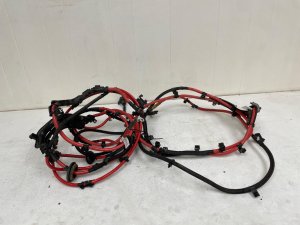
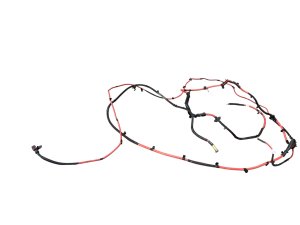
- Verify the Part Number: The most important step. Several versions of this harness exist (971971227, 971971227A, 971971227B, 971971227F). Match the part number from your original harness exactly. Suffixes (A, B, F) often indicate revisions, and using the wrong one may lead to fitment or communication errors.
- Inspect the Connectors: Check all plastic connectors for cracks, broken locking tabs, or signs of melting. Examine the metal terminals inside for any green or white powder (corrosion) or black marks (arcing).
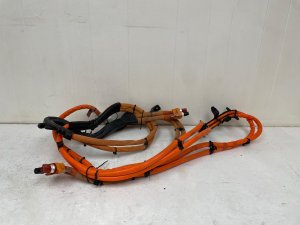
- Examine the Cable Insulation: Carefully inspect the entire length of the orange high-voltage cable. Look for any cuts, abrasions, cracks, or areas where the insulation looks swollen or puffy. Swelling can indicate that moisture or battery acid has wicked under the jacket, causing internal corrosion.
- Check for Physical Damage: The harness should not be bent at sharp angles, crushed, or kinked. Internal wire strands can break from physical stress, creating high resistance that may not be visible externally.
- Ask About the Donor Vehicle: If possible, find out the mileage and history of the vehicle the part came from. A harness from a low-mileage, accident-free vehicle is always preferable. Avoid parts from flood-damaged cars, as moisture is the enemy of high-voltage electronics.
Pro Tip: When buying used, prioritize parts from sellers who provide clear, high-resolution photos of the exact item you will receive. This allows you to perform a thorough visual inspection before purchasing.
Cost & Replacement
Replacing this harness is a complex and expensive job that should not be attempted by DIY mechanics due to the high-voltage safety risks.
| Part/Service | Estimated Cost |
|---|---|
| New OEM Harness | $250 - $400 |
| New Aftermarket | Not Available |
| Used OEM Harness | $60 - $160 |
| Shop Labor | $600 - $1,000+ |
Labor costs are an estimate. Accessing this harness requires significant disassembly of the trunk interior and potentially lowering the high-voltage battery pack. Labor rates for hybrid-certified technicians at dealerships or specialty shops are typically higher.
Installation Difficulty: 5/5
- Estimated Time: 4-6 hours
- DIY Feasible: No
The replacement procedure involves de-energizing the entire high-voltage system, removing trunk liners and covers, disconnecting the 12-volt battery, and carefully unbolting the harness from the main battery pack and other components. This requires specialized tools, training, and adherence to strict safety protocols to prevent electric shock and damage to the vehicle.
Frequently Asked Questions (FAQ)
Can I drive my Panamera with a "Hybrid system fault" warning?
It is not recommended. This warning indicates a serious problem that could cause the vehicle to lose power and shut down unexpectedly, creating a significant safety risk. You should have the vehicle towed to a qualified repair facility.
Will a bad battery cable harness be covered under the hybrid battery warranty?
It depends on the exact terms of the warranty and the nature of the failure. Porsche offers an 8-year/100,000-mile warranty on high-voltage battery components. If the harness failure is determined to be a manufacturing defect, it may be covered. However, damage from external sources (like water intrusion or physical impact) may not be. Always check with a Porsche dealer.
Why can't I find a cheaper aftermarket version of this harness?
Due to the complexity, safety requirements, and relatively low production volume of high-voltage components for vehicles like the Panamera E-Hybrid, the aftermarket does not typically produce direct replacements. For these critical parts, OEM (new or used) is the only viable option.
Does this part fit non-hybrid Panamera models?
No. This is a high-voltage harness specifically for the E-Hybrid system. It will not fit standard gasoline-only Panamera models.
Technical Specifications
OEM Part Numbers: 971971227 971971227A 971971227B 971971227F
Positive high-voltage battery cable harness for standard wheelbase Panamera E-Hybrid models built after 05/27/2018. Does not fit Executive (long wheelbase) models.
We Have This Part in Stock

The information in this article is provided for general reference and educational purposes only. Vehicle specifications, procedures, and part compatibility can vary by production date, trim level, and region. Always consult your vehicle's factory service manual and verify part numbers before purchasing or performing repairs. Safety-critical components such as airbags, seat belts, and braking systems should be installed by a qualified professional.
- Porsche Panamera: