

2014-2020 BMW i8 High-Voltage Battery Cables: Diagnosis, Recalls, and Replacement
A complete guide to the bright orange high-voltage cables in your BMW i8, covering common failures, critical recalls, and what to inspect on a used part.
- High-voltage cable failure is almost always caused by external factors like rodent damage or physical impact, not internal wear.
- Replacement is NOT a DIY job. The i8's HV system carries lethal voltage and requires a certified technician.
- When buying a used cable, meticulously inspect the orange sheathing and connectors for any cuts, crushing, or burn marks. There are no safe aftermarket options.
- Always match the OEM part number exactly. Wiring harnesses can differ between Coupe and Roadster models.
Symptoms of Failing High-Voltage Cables
Failure of a high-voltage cable is a serious issue that will typically make the vehicle undrivable. Unlike a simple 12V battery cable, a fault here will trigger immediate safety protocols in the vehicle's management system. Symptoms are usually clear and immediate:
- "High-Voltage System Deactivated" Message: This is the most common and direct indicator. The car's iDrive screen will display a warning, and the vehicle will not enter the 'Ready' state to drive.
- Complete No-Start Condition: The vehicle will not power on or respond as if the main battery is dead. You will not hear the typical clicks or slow cranking associated with a weak 12V battery.
- Inability to Charge: If a cable related to the charging port or onboard charger is damaged, the car will not recognize a connected charger or will fail to initiate a charging session. 🎬 Watch: Troubleshooting a dead battery and charging issues
- Warning Lights: A variety of powertrain and battery-related warning lights will illuminate on the dashboard.
- Sudden Loss of Power While Driving: In rare cases, a damaged cable could lead to a sudden shutdown of the high-voltage system, causing a loss of propulsion.
Common Causes of Failure
High-voltage cables on the i8 rarely fail on their own from simple age or wear. The cause is almost always external damage.
Rodent Damage
This is a surprisingly common and expensive problem for the i8 and many other modern BMWs. The wire insulation used by BMW is a soy-based bioplastic, which rodents like squirrels, rats, and mice find attractive to chew on. Since the HV cables run along the underbody and other accessible areas, they can be a target. A small amount of chewing can compromise the insulation, leading to a dangerous short circuit and a high-voltage system fault. Repair estimates for rodent damage can be extremely high, sometimes requiring the replacement of entire vehicle wiring harnesses.
🎬 See how rodents cause thousands in wiring damagePhysical Impact and Corrosion
The cables are routed in protected channels, but they are not indestructible. Bottoming out the vehicle, improper lifting on a service hoist, or impact from road debris can crush, cut, or sever a high-voltage cable. Any breach in the thick orange sheathing can allow moisture to enter, leading to corrosion of the connectors or the cable itself, which will create an insulation fault and shut the system down.
Warning: The high-voltage system in the BMW i8 carries lethal voltage. Never attempt to touch, disconnect, or repair the orange high-voltage cables yourself unless you are a certified technician with the proper training and safety equipment.
Known Issues, Recalls, and Technical Service Bulletins (TSBs)
While there are no widespread recalls for the high-voltage cables themselves, several related recalls and TSBs are important for i8 owners to be aware of.
- NHTSA Recall 14V674000 (Fuel Tank Ground Cable): Affecting some early 2014 i8 models, a bolt for a ground cable on the fuel tank may not have been welded properly. This could cause a fuel leak, creating a fire risk. While not an HV cable, it highlights the complexity of the i8's electrical grounding.
- NHTSA Recall 19V599000 (EME Failure): On some 2019 models, a fault within the Electric Motor Electronics (EME) module could cause a sudden shutdown of high-voltage power, leading to a loss of propulsion.
- NHTSA Recall 20V601000 (High-Voltage Battery Contamination): Affecting some 2020 models, debris inside the HV battery cells during manufacturing could cause a short-circuit, increasing the risk of fire. This recall involves replacing affected battery modules.
Buying a Used BMW i8 High-Voltage Cable: A Buyer's Guide
Given the high cost of new OEM cables, a used cable can be a smart purchase, but careful inspection is mandatory. There are no safe aftermarket alternatives for these critical components.
Physical Inspection is Key
Before purchasing, meticulously inspect all photos of the used cable. Look for:
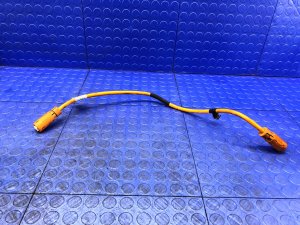
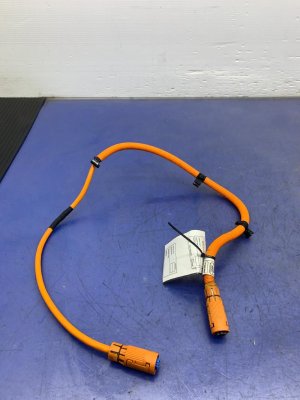
- Intact Orange Sheathing: There should be absolutely no cuts, deep scrapes, abrasions, or signs of crushing along the entire length of the cable. Any breach in the outer insulation is a major red flag.
- No Signs of Burning or Arcing: Check the connectors and cable ends for any black marks, melted plastic, or discoloration that would indicate a past short circuit.
- Connector Condition: The large, complex connectors must be in perfect condition. Look for cracks in the plastic housing, bent or corroded pins, and ensure the locking mechanisms are intact.
- Rodent Damage: Look closely for any chew marks or gnawing on the insulation or connectors. What looks like a small nibble could indicate a compromised cable.
Compatibility and Part Numbers
The BMW i8 has many different high-voltage cables. There are cables connecting the battery to the power electronics, the charger to the battery, and the power electronics to the motors. You must match the OEM part number exactly.
Compatibility Warning: The initial data suggested conflicting information about fitment between the Coupe (I12) and Roadster (I15) models. While many powertrain parts are shared, wiring harness lengths and routing can differ. To ensure compatibility, always verify that the part number on the used cable matches the one you are replacing. Do not assume a cable from a Coupe will fit a Roadster, or vice-versa, without confirming the part number.
Replacement Cost & Difficulty
Replacing a high-voltage cable on a BMW i8 is a complex and dangerous job that should only be performed by a qualified technician trained in high-voltage systems.
- Difficulty: 5 out of 5 (Professional Only)
- DIY Feasible: No
- Estimated Time: 5 - 15 hours, depending on which cable is being replaced. Some cables require dropping the main battery pack or other major components. 🎬 Watch: A look inside the dangerous i8 high-voltage battery
| Part/Service | Estimated Cost |
|---|---|
| New OEM Cable | $500 - $2,200+ |
| Used OEM Cable | $200 - $800 |
| Shop Labor | $1,000 - $3,750+ |
The high labor cost is due to the extensive safety procedures required to de-energize the high-voltage system and the labor needed to access the cable's routing path.
Frequently Asked Questions (FAQ)
Can I replace a BMW i8 high-voltage cable myself?
No. This is extremely dangerous and should not be attempted by anyone without specialized training and equipment. The i8's high-voltage system carries enough electrical current to cause severe injury or death. The system must be properly de-energized before any work can begin.
Is it safe to drive with a "High-Voltage System Deactivated" warning?
No. This warning indicates a critical fault has been detected, and the vehicle's safety systems have shut down the electric powertrain. The car will not be drivable and should be towed to a qualified repair facility.
What is the difference between the charging port cable and the main battery cables?
The charging port cable (e.g., part number 61126828055) connects the external charge port on the fender to the vehicle's onboard charging module. The main battery cables are much larger and connect the high-voltage battery pack to the power electronics and electric motors. A failure in either can prevent the car from working or charging.
My i8 was produced from 2014-2020, but was there a 2018 model year?
Yes, the BMW i8 was produced for all model years between 2014 and 2020. The confusion may arise from the introduction of the updated LCI (Life Cycle Impulse) models and the new Roadster body style for the 2019 model year, which marked a significant update in the product line.
Verified OEM Part Numbers
The BMW i8 uses numerous high-voltage and charging-related cables. The following part numbers have been identified, but this is not an exhaustive list. Always confirm the specific part number required for your vehicle's VIN and the specific cable that has failed.
- Charging Port / Socket Assembly: 61126828055, 61129330319, 61129356077, 61129391891
- High-Voltage Cables (Various): 7619781, 764013505A, 9338404, 9392843
Helpful Videos


Technical Specifications
OEM Part Numbers: 61126828055 61129330319 61129356077 61129391891 7619781 764013505 764013505A 764026009A 764026305A 932077904 9338402 9338404 9392843 9394661
High-voltage DC cables are distinguished by their bright orange outer sheathing for safety identification. They are heavily insulated and shielded to handle high amperage and prevent electromagnetic interference.
We Have This Part in Stock
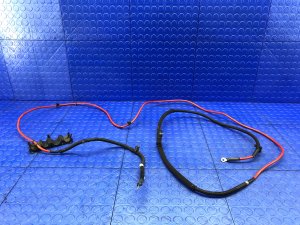
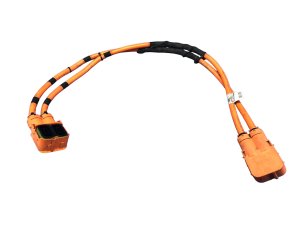
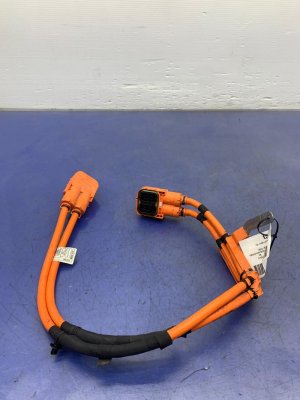
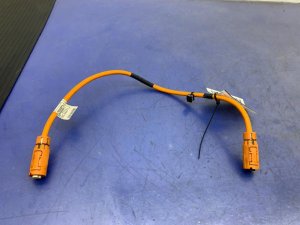

The information in this article is provided for general reference and educational purposes only. Vehicle specifications, procedures, and part compatibility can vary by production date, trim level, and region. Always consult your vehicle's factory service manual and verify part numbers before purchasing or performing repairs. Safety-critical components such as airbags, seat belts, and braking systems should be installed by a qualified professional.
- BMW i8:
- 🎬 Helpful Videos
- 🛍️ Shop This Part
- Symptoms of Failing High-Voltage Cables
- Common Causes of Failure
- Rodent Damage
- Physical Impact and Corrosion
- Known Issues, Recalls, and Technical Service Bulletins (TSBs)
- Buying a Used BMW i8 High-Voltage Cable: A Buyer's Guide
- Physical Inspection is Key
- Compatibility and Part Numbers
- Replacement Cost & Difficulty
- Frequently Asked Questions (FAQ)
- Verified OEM Part Numbers
- 🎟️ Get 5% Off