

1990-1994 Subaru Legacy Back Glass: Defroster Faults, Leaks, and Tint Matching
Your definitive guide to diagnosing rear defroster problems, stopping leaks, and choosing the correct used back glass for your first-generation Legacy sedan.
- This back glass is for the 4-door sedan ONLY and will not fit the station wagon.
- Verify the tint color (blue or bronze) of a used part by holding a white paper behind it to ensure it matches your car.
- When buying used, thoroughly inspect the defroster grid lines and electrical tabs for damage, as this is the most common failure point.
- Professional installation is required; this is not a DIY job due to the use of urethane adhesive and the structural nature of the part.
Symptoms of a Failing Back Glass
Unlike a mechanical part with many moving components, back glass failures are typically straightforward. They almost always involve physical damage, leaks from the seal, or a problem with the integrated defroster.
Broken or Inoperative Defroster Grid
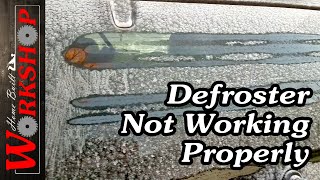
One of the most common issues on an older vehicle is a rear defroster that no longer works. You might notice that only some of the lines heat up, or none of them do. This is usually caused by a break in the delicate electrical grid lines printed on the glass or a failure of the electrical connection to the grid itself.
Water Leaks into the Cabin or Trunk
If you find moisture in your trunk or on the rear parcel shelf, a likely culprit is a failing back glass seal. Over decades, the urethane adhesive used to seal the glass to the car's body can become hard, brittle, and develop cracks, allowing water to seep through. While trunk leaks can also come from taillight seals or weatherstripping, a leak at the top of the trunk or around the rear deck points toward the glass seal.
🎬 Watch this video to learn how to find and fix rear window leaks.Visible Cracks, Chips, or Shattering
The most obvious failure is physical damage. This can range from a small stone chip to a large crack or complete shattering. A crack will compromise the structural integrity of the glass and can spread over time due to temperature changes and body flex. Shattered glass renders the vehicle exposed to the elements and is a safety hazard.
Known Issues, Recalls, and TSBs for 1990-1994 Subaru Legacy
For a vehicle of this age, most issues are related to wear and time rather than specific manufacturing defects. As of 2026, there are no active recalls or technical service bulletins (TSBs) from the NHTSA specifically for the back glass, its seal, or the defroster grid on the 1990-1994 Legacy.
- Defroster Grid Damage: The horizontal lines of the defroster grid are fragile. A single scratch from loading cargo or cleaning the inside of the glass can sever a line, causing it to stop working. Over time, the electrical tabs that supply power to the grid can also corrode or detach from the glass, disabling the entire system.
- Seal Deterioration: The urethane sealant that holds the glass in place is the primary barrier against water. After 30+ years, this material naturally degrades, losing its flexibility and bond. This is the most common cause of water leaks around the back glass.
- Radio Antenna Interference: On some models where the radio antenna is integrated into the glass, a faulty defroster grid or its wiring can sometimes cause static or poor radio reception when the defroster is turned on.
Recall Note: A 1990 recall exists for a "defroster shutter door," but this is an HVAC component in the dashboard for the front windshield defroster and is not related to the rear back glass.
Buying a Used 1990-1994 Legacy Back Glass
Since new OEM and aftermarket back glass for this model are virtually impossible to find, a used OEM part is the most practical and often only option. Inspecting a used part carefully before purchase is critical.
1. Verify Vehicle Compatibility
Warning: This back glass fits 4-door sedan models ONLY. It will NOT fit the Legacy station wagon, which has a completely different rear hatch and glass.
2. Check the Tint Color
Subaru offered this glass in two subtle tints: blue and bronze. While they are interchangeable in fit, the color difference will be noticeable. To determine the color of a piece of glass, hold a sheet of plain white paper behind it. The paper will reveal the glass's true tint. Match it to your vehicle's existing side glass for a consistent look.
Pro Tip: If you're unsure of your original tint color, perform the white paper test on one of your car's side windows in the daylight.
3. Inspect the Defroster Grid and Connectors
This is the most important inspection step. A used glass with a bad defroster is little better than the one you are replacing.
- Grid Lines: Carefully examine every horizontal grid line from end to end. Look for any scratches, scrapes, or breaks. Even a small, hairline scratch can disable a line.
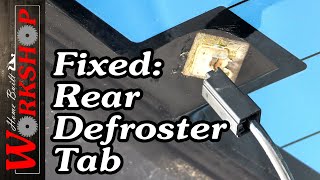
- Electrical Tabs: Locate the two metal tabs where the vehicle's wiring harness connects to the grid (usually on the sides). Ensure they are securely bonded to the glass and that the surrounding grid material isn't flaking off. A loose tab is very difficult to repair reliably. 🎬 See how to successfully repair detached rear defroster tabs.
4. Check for Physical Damage
Run your hands over the entire surface of the glass, inside and out. Feel for any chips, deep scratches, or delamination (a milky or cloudy appearance, usually starting at the edges). While minor surface scratches are acceptable, a chip can easily turn into a crack during installation or with a change in temperature.
Cost of Replacement
The cost can vary, but the primary expense will be professional labor, as this is not a simple DIY job.
| Part/Service | Estimated Cost | Notes |
|---|---|---|
| New OEM Back Glass | N/A | No longer available from the manufacturer. |
| New Aftermarket Back Glass | N/A | Extremely rare to non-existent for this model. |
| Used OEM Back Glass | $75 - $200 | Price depends on condition and salvage yard. This is the most common source. |
| Professional Labor | $200 - $400 | Includes removal of old glass, cleaning the frame, and installing the replacement with new urethane adhesive. |
Installation Overview & Difficulty
- Difficulty Rating: 5 out of 5 (Professional installation strongly recommended)
- Estimated Time: 2-3 hours by a professional
- DIY Feasible: No
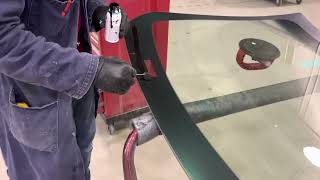
Replacing a urethane-set back glass is a complex job that requires specialized tools and experience. The process involves carefully cutting the old glass out of the frame without damaging the paint, meticulously cleaning the channel of all old adhesive, priming the body and the new glass, and applying a new bead of urethane at the correct temperature and consistency. A poor installation will almost certainly result in water leaks and wind noise, and can compromise the structural safety of the vehicle.
Technical Specifications & Part Numbers
These part numbers have been associated with the 1990-1994 Legacy back glass. Due to the age of the vehicle, these are for reference and verification of used parts only, as new stock is generally unavailable.
- Subaru Part Numbers: 65010AA030, 65010AA030NA, 65010AA030NF, 65010AA120, 65010AA120NA, FB03993BT
- NAGS (National Auto Glass Specifications) Number: FB03993BT
- Available Tints: Blue, Bronze
Frequently Asked Questions (FAQ)
Will this back glass fit my 1993 Subaru Legacy Wagon?
No, absolutely not. The sedan back glass is completely different in size and shape from the glass used in the rear hatch of the station wagon. You must source a part specifically from a 4-door sedan.
How can I fix just one or two broken defroster lines?
You can buy special conductive repair paint or kits designed for this purpose. You carefully mask off the area around the break and apply the conductive paint to bridge the gap. 🎬 Watch this step-by-step guide on repairing broken defroster grid lines. While this can be an effective fix for a clean break, it is not always a permanent solution.
My back glass isn't broken, but my trunk is wet. Could it still be the glass?
Yes. A leak from the aging urethane seal around the glass is a very common problem on older cars. Water can seep under the seal and run down into the trunk. Before replacing the glass, have a glass shop or body shop perform a leak test to confirm the source, as leaks can also come from taillight gaskets or trunk weatherstripping.
Why is professional installation so important?
The back glass is a structural part of the car. An improper installation can lead to a poor fit, wind noise, and water leaks. Most importantly, if the urethane adhesive is not applied correctly, the glass could detach from the vehicle in a collision, severely compromising the safety and structural integrity of the passenger cabin.
Helpful Videos
Technical Specifications
OEM Part Numbers: 65010AA030 65010AA030NA 65010AA030NF 65010AA120 65010AA120NA FB03993BT
Fits 4-door sedan. Available in blue or bronze tint. Integrated rear defroster grid.
We Have This Part in Stock


The information in this article is provided for general reference and educational purposes only. Vehicle specifications, procedures, and part compatibility can vary by production date, trim level, and region. Always consult your vehicle's factory service manual and verify part numbers before purchasing or performing repairs. Safety-critical components such as airbags, seat belts, and braking systems should be installed by a qualified professional.
- Subaru Legacy:
- 🎬 Helpful Videos
- 🛍️ Shop This Part
- Symptoms of a Failing Back Glass
- Broken or Inoperative Defroster Grid
- Water Leaks into the Cabin or Trunk
- Visible Cracks, Chips, or Shattering
- Known Issues, Recalls, and TSBs for 1990-1994 Subaru Legacy
- Buying a Used 1990-1994 Legacy Back Glass
- 1. Verify Vehicle Compatibility
- 2. Check the Tint Color
- 3. Inspect the Defroster Grid and Connectors
- 4. Check for Physical Damage
- Cost of Replacement
- Installation Overview & Difficulty
- Technical Specifications & Part Numbers
- Frequently Asked Questions (FAQ)
- 🎟️ Get 5% Off