

Tesla Model 3 Axle Shafts: Decoding Clicks, Vibrations, and Part Numbers (2017-2026)
This guide helps you diagnose failing axle shafts on your Model 3 and choose the correct replacement part for your Rear-Wheel Drive or All-Wheel Drive model.
- The most critical compatibility check is RWD vs. AWD. RWD cars have rear axles only; AWD cars have different axles for the front and rear.
- A clicking noise when turning typically means the outer CV joint is failing; a vibration under acceleration points to the inner CV joint.
- The axle nut has a very high torque spec of 245 Nm (181 lb-ft) and must be replaced with a new one during installation.
- When buying a used axle, the condition of the rubber CV boots is the most important factor. Any tear, crack, or leak means the part should be rejected.
Symptoms of a Failing Model 3 Axle Shaft
A failing axle shaft typically gives clear audible or physical warnings. The specific symptom often points to which part of the axle is worn. Ignoring these signs can lead to a complete axle failure, which can cause a loss of power and potentially damage other components.
Clicking or Popping Noises When Turning
A rhythmic clicking or popping sound that appears or gets louder during turns is the most common sign of a worn outer CV joint. You'll likely hear it most in tight, low-speed maneuvers like pulling into a parking spot or making a U-turn. The noise occurs because the ball bearings inside the worn joint have too much room to move, creating a clicking sound as they rotate under load.
Vibration or Shudder During Acceleration
A vibration or shudder felt through the floor or steering wheel, specifically when you accelerate, usually points to a failing inner CV joint. This symptom is particularly common on electric vehicles due to the high, instant torque they produce, which places significant stress on the inner joints. The vibration may be subtle at first but will worsen over time and can be more pronounced during hard acceleration.
Clunking Noises
A clunking or clicking sound when shifting between Drive and Reverse, or when first accelerating or decelerating, can indicate excessive play in the drivetrain. While this can be a sign of a worn CV joint, it is also a known issue with the axle splines where they meet the wheel hub. In some cases, this specific noise can be resolved by removing the axle nut, cleaning the splines, applying the correct lubricant to the hub face, and re-torquing the axle nut to specification.
Grease on the Inside of the Wheel or Undercarriage
If you see dark, heavy grease splattered on the inside of your wheel, along the suspension components, or on the underbody aero shield, it's a sure sign of a torn CV boot. The rubber boot holds the grease that lubricates the CV joint. When it tears, grease slings out, and dirt and moisture get in, quickly destroying the joint. A torn boot will always lead to joint failure and requires immediate attention.
Compatibility Warning: The single most important factor when ordering a replacement axle shaft is knowing if your Model 3 is Rear-Wheel Drive (RWD) or All-Wheel Drive (AWD). RWD models only have rear axle shafts. AWD models have both front and rear axle shafts, which are different parts.
Known Issues, Recalls, and Technical Service Bulletins (TSBs)
While there are no direct recalls for the Model 3 axle shafts themselves, there are related issues and service history worth noting.
- Suspension Fastener Recalls (NHTSA 21V-835, 23V-235): Tesla recalled certain 2019-2021 and 2018-2019 Model 3 vehicles for front suspension lateral link fasteners that could loosen over time. A loose lateral link can cause wheel misalignment and instability, potentially producing noises or vibrations that could be mistaken for a bad axle.
- Axle Click/Spline Lubrication: A common complaint is a clicking noise from the rear axle area that can sometimes be fixed without replacing the entire shaft. Tesla has a service procedure to address this by cleaning the axle-to-hub splines and applying Molykote M-77 paste to the flat mating face of the CV joint before re-torquing the axle nut.
- Drive Unit Leaks: Some newer Model 3 Performance vehicles have experienced lubricant leaks from the rear drive unit's axle seals. This is reportedly due to a breather valve issue causing pressure buildup. If you are replacing an axle, it is a good time to inspect the seal for any signs of leakage.
Buying a Used Axle Shaft for Your Model 3
A recycled OEM axle shaft is an excellent, cost-effective alternative to expensive new parts. Because these are durable components, a low-mileage used axle can provide years of reliable service. Here’s what to look for:
Physical Inspection Checklist:
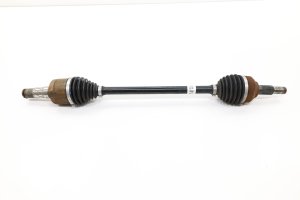
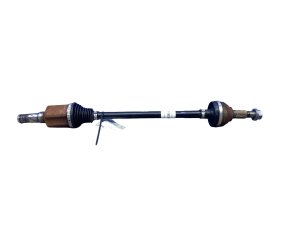
- Inspect the CV Boots: This is the most critical check. The rubber boots at both ends of the shaft must be in perfect condition. Squeeze them to check for pliability. Reject any axle with boots that are cracked, torn, brittle, or show signs of leaking grease. A damaged boot means the joint is contaminated and will fail soon.
- Check for Joint Play: Hold the shaft and try to move the inner and outer joints. There should be smooth, firm movement in all directions but no excessive looseness or clunking. Push and pull on the inner joint; it should have a slight plunging motion but should not feel sloppy.
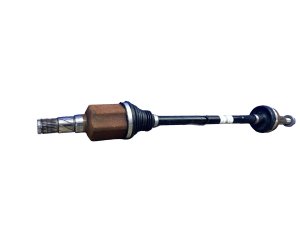
- Examine the Splines and Threads: Check the splines on both ends and the threads for the axle nut. They should be clean and free of damage, rust, or stripping. Damaged threads can make proper installation and torquing impossible.
- Look for Corrosion: Surface rust on the central shaft is usually cosmetic and not a concern. However, heavy, flaking rust, especially around the CV joint housings or on the machined surfaces, is a red flag.
Mileage and Value
Axle shaft failure is often related to mileage and driving style. Failures can occur anywhere from 60,000 to over 100,000 miles. When buying used, look for an axle from a lower-mileage vehicle if possible. Given that a used OEM axle can be purchased for a fraction of the new OEM price, it offers significant value, often costing less than a new aftermarket part while retaining original Tesla engineering and material quality.
Replacement Overview and Torque Specs
Replacing a Model 3 axle shaft is a moderately difficult job that can be done by an experienced DIY mechanic. The process involves removing the wheel, brake caliper, and various suspension links to gain enough clearance to pull the axle from the wheel hub and the drive unit.
Pro Tip: Special tools like a hub puller and an axle remover (slide hammer with a cable attachment) may be required to free the axle from the hub and pop it out of the drive unit.
Key Procedures & Torque Specifications:
Following the correct torque specifications is critical for safety and to prevent recurring noises.
| Fastener | Torque Specification | Notes |
|---|---|---|
| Axle Nut (32mm) | 245 Nm (181 lb-ft) | Always use a new nut. This is a very high torque value and requires a large breaker bar or high-capacity torque wrench. |
| Wheel Lug Nuts (21mm) | 175 Nm (129 lb-ft) | Tighten in a star pattern. |
| Upper Control Arm to Knuckle | 56 Nm (41.3 lb-ft) | Nut should be replaced. |
| Rear Upper Aft Link to Knuckle | 134 Nm (98.8 lb-ft) | Reuse bolt and nut. |
When installing the new axle, carefully push the inner joint into the drive unit until you hear an audible "click," which confirms the retaining circlip has engaged. Pull on the inner cup to ensure it is locked in place.
Cost of Replacement
The cost to replace a Tesla Model 3 axle shaft can vary significantly based on the part source and labor rates.
| Item | Estimated Cost | Notes |
|---|---|---|
| New OEM Axle Shaft | $450 - $1100+ | Price from Tesla or specialty EV retailers. Can be very expensive. |
| New Aftermarket Axle Shaft | $80 - $200 | Widely available from online retailers. Quality can vary. |
| Used OEM Axle Shaft | $100 - $250 | A high-value option from automotive recyclers. |
| Shop Labor | $150 - $375 | Based on 1-1.5 hours of labor per axle. |
Technical Specifications & Part Numbers
Part numbers can supersede and change. Always verify the part number required for your specific vehicle's VIN, year, and drive type (RWD/AWD).
| Position | Part Number(s) | Notes |
|---|---|---|
| Front Axle (AWD Only) | 1044119-00-D, 1536670-00-B, 1536670-00-D | Fits left or right side on All-Wheel Drive models. |
| Rear Axle (All Models) | 1044161-00-D, 1044164-00-A | Fits left or right side. Part number may vary by RWD vs AWD or specific build date. |
Frequently Asked Questions (FAQ)
Can I drive my Model 3 with a bad axle shaft?
It is not recommended. While the car may be drivable with early symptoms like clicking, a failing CV joint can break completely without warning, leaving you stranded. If the axle breaks, it can spin freely and damage brake lines, suspension parts, or the drive unit. On an AWD model, the other motor might still propel the car, but this is extremely risky and should only be considered for moving to a safe location off the road.
Is the front axle the same as the rear axle on an AWD Model 3?
No. The front and rear axle shafts are different parts with different lengths and part numbers. You must order the correct part for the correct location on the vehicle.
Do I need to replace axles in pairs?
No, it is not required. Axle shafts can be replaced individually. However, if one side has failed due to high mileage, the other side may not be far behind. If you are paying for labor, it may be cost-effective to inspect the other side carefully during the repair.
Does a clicking noise always mean I need a new axle?
Not always, but it's the most likely cause. On a Model 3, a specific "axle click" noise on acceleration or deceleration can sometimes be fixed by cleaning and lubricating the hub splines and re-torquing the axle nut. However, a consistent clicking noise when turning almost always indicates a worn outer CV joint that requires axle replacement.
Technical Specifications
OEM Part Numbers: 1044119-00-D 1536670-00-B 1536670-00-D 1044161-00-D 1044164-00-A
Axle Nut Size: 32mm. Axle Nut Torque: 245 Nm (181 lb-ft). Wheel Lug Nut Torque: 175 Nm (129 lb-ft).
We Have This Part in Stock




The information in this article is provided for general reference and educational purposes only. Vehicle specifications, procedures, and part compatibility can vary by production date, trim level, and region. Always consult your vehicle's factory service manual and verify part numbers before purchasing or performing repairs. Safety-critical components such as airbags, seat belts, and braking systems should be installed by a qualified professional.
- TESLA TESLA 3:
- 🛍️ Shop This Part
- Symptoms of a Failing Model 3 Axle Shaft
- Clicking or Popping Noises When Turning
- Vibration or Shudder During Acceleration
- Clunking Noises
- Grease on the Inside of the Wheel or Undercarriage
- Known Issues, Recalls, and Technical Service Bulletins (TSBs)
- Buying a Used Axle Shaft for Your Model 3
- Physical Inspection Checklist:
- Mileage and Value
- Replacement Overview and Torque Specs
- Key Procedures & Torque Specifications:
- Cost of Replacement
- Technical Specifications & Part Numbers
- Frequently Asked Questions (FAQ)
- 🎟️ Get 5% Off