

2016-2021 Mazda CX-9 Bose Amp: Fixing No Sound & Popping Under the Seat
Diagnose and replace the faulty Bose audio amplifier in your CX-9 and understand the critical location and programming steps required after installation.
- This amplifier is exclusively for 2016-2021 CX-9 models with the Bose premium audio system; it will not work in a standard system.
- The most common cause of failure is liquid damage due to its location directly under the front passenger seat. Always check for spills before replacing.
- A replacement amplifier (new or used) must be professionally programmed to the vehicle's VIN to function correctly.
- Before replacing the amplifier, have a dealer check for software updates (TSBs) and open recalls (like the 2018 wiring harness recall) that can cause identical symptoms.
Symptoms of a Failing Amplifier

When the Bose amplifier in a 2016-2021 CX-9 begins to fail, the symptoms are usually impossible to ignore. Because it controls the entire sound system, any issue with it can result in total silence or severe audio problems. Here are the most common signs of failure:
- Complete Loss of Sound: The most frequent symptom is a complete lack of audio from any speaker. The infotainment screen will power on and appear to function normally—you can change stations or see music playing on CarPlay—but no sound is produced.
- Loud Popping or Crackling: A series of loud, sharp pops or a crackling noise, sometimes compared to the sound of bubble wrap being stepped on, is a strong indicator of internal amplifier failure. This noise can be intermittent and may even occur when the audio system is turned off.
- Intermittent Audio: The sound may cut in and out randomly while driving. This can be triggered by bumps in the road, temperature changes, or have no obvious cause at all.
- Distorted or Muffled Sound: Music may sound fuzzy, unclear, or lack specific frequencies like bass or treble, even at low volumes. Some owners report losing sound from the tweeters, resulting in a muffled audio profile.
- Audio Cuts Out When Bass Hits: The amplifier may shut off or enter a protective mode when a song with heavy bass plays, indicating it can no longer handle the power demands.
First Steps: Check Software and Recalls Before Replacing

Before you spend money on a replacement amplifier, it's essential to rule out simpler software glitches or known wiring issues that can mimic a failed amp.
Check for Relevant Technical Service Bulletins (TSBs)
Mazda has issued TSBs to fix audio problems with software updates. For example, TSB for software version 74.00.311 or later fixes an issue where sound may not come out of the driver's side speaker. Another TSB, #09-039-23, addresses a problem where no sound is produced due to the remote tuner malfunctioning. A dealer or a specialized shop can check if your vehicle's software is up to date. A simple update could save you hundreds of dollars.
2018 Model Year Wiring Harness Recall
For certain 2018 Mazda CX-9s, a recall was issued for wiring harness connectors that could cause a loss of electrical communication between various control modules. While this recall focused on airbag and turn signal failures, the underlying cause—a poor electrical connection—could potentially affect the audio system and cause a total loss of sound. Check if your vehicle was part of this recall, as the fix is free at a dealership.
Pro Tip: The amplifier is located directly under the front passenger seat. This location makes it extremely vulnerable to liquid spills from the front or rear passenger areas. Before assuming an electronic failure, carefully inspect the area around and under the amplifier for any signs of moisture, stickiness from spilled drinks, or corrosion on the wiring connectors. This is the most common cause of failure reported by owners.
Buying a Used 2016-2021 CX-9 Audio Amplifier

If you've confirmed the amplifier is faulty, a used OEM unit is an excellent, cost-effective alternative to an expensive new part. Here’s what to look for.
Compatibility Check
Warning: This amplifier is ONLY for models equipped with the 12-speaker Bose premium sound system. It is not compatible with the standard 6-speaker audio system, and you cannot use it to upgrade a standard system without extensive wiring, speaker, and head unit changes.
The OEM part numbers for this amplifier have been updated over the years. The latest part number, TK78-66-A20C, replaces the older versions TK78-66-A20, TK78-66-A20A, and TK78-66-A20B. When buying used, any of these part numbers should work, but opting for a later revision (like 'A20B' or 'A20C') is generally a good practice as they may contain minor improvements.
Physical Inspection of a Used Unit
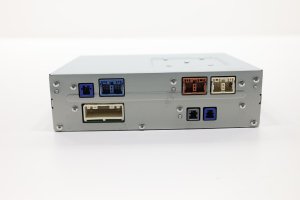
- Inspect the Connectors: This is the most important check. Look closely at the pins inside all three electrical connectors. There should be no green or white crusty residue, which indicates corrosion from liquid damage. A water-damaged unit is likely to fail again, if it works at all.
- Check the Casing: Look for any major dents, cracks, or signs that the casing has been opened. While minor scratches are normal for a used part, significant physical damage could point to internal problems.
- Verify the Part Number: Make sure the sticker on the amplifier matches one of the compatible OEM part numbers.
Replacement Overview

Replacing the amplifier is a manageable DIY job for those comfortable with basic tools, but it requires removing the front passenger seat.
- Disconnect the Battery: Always disconnect the negative battery terminal before working on any electronic components.
- Unbolt the Passenger Seat: The front passenger seat is typically held down by four bolts at the corners of its rails. Remove the plastic covers to access them.
- Disconnect Seat and Access Amplifier: Carefully tilt the seat backward to access the wiring harnesses underneath. Disconnect the electrical connectors for the airbag and seat motors. You can now remove the seat from the vehicle for better access. The amplifier is mounted to the floor on a bracket under where the seat was.
- Swap the Amplifier: Disconnect the three main wiring harnesses from the old amplifier, unbolt it from its bracket, and install the replacement unit.
- Reassemble: Reconnect everything in the reverse order of removal.
CRITICAL: Post-Installation Programming
Warning: A replacement amplifier—whether new or used—will likely need to be programmed to your vehicle's VIN and specific configuration to function. This process, often called "module configuration," ensures the amplifier communicates correctly with the head unit and other vehicle systems on the CAN bus network. Failure to program the module may result in no sound or other malfunctions. This procedure typically requires a Mazda dealer's diagnostic tool (MDARS) or advanced aftermarket tools used by some independent auto electronics specialists.
Cost of Replacement
| Part Type | Estimated Cost |
|---|---|
| New OEM | $450 - $675 |
| Used OEM | $125 - $250 |
| Remanufactured | Not Commonly Available |
| Shop Labor | $150 - $300 |
Frequently Asked Questions (FAQ)
Do I have to go to a dealer to get a replacement amplifier to work?
Most likely, yes. The amplifier is a smart module that is integrated into the vehicle's network. A replacement unit needs to be programmed to your car's VIN and options. While some high-end independent shops may have the equipment, a Mazda dealership is the most reliable place to have this programming performed.
Where is the Bose amplifier located in a 2017 Mazda CX-9?
The amplifier is located on the floor, underneath the front passenger seat. You must unbolt and tilt or remove the seat to gain access to it.
Can I fix my broken amplifier instead of replacing it?
Repair is sometimes possible, especially if the failure is due to common issues like bad capacitors or solder joints. However, this requires a skilled electronics technician. If the main processor has failed or if there is extensive liquid damage, replacement is usually the only practical option.
Why did my amplifier fail? Is this a common problem?
The most common reason for failure in the 2016-2021 CX-9 is liquid damage. Its location under the passenger seat makes it highly susceptible to spilled drinks. Electronic components can also fail over time from heat and vibration, but liquid intrusion is the primary external cause for this specific part.
Technical Specifications
OEM Part Numbers: TK7866A20 TK7866A20A TK7866A20B TK7866A20C
For 12-speaker Bose premium sound system. Features digital signal processing (DSP).
We Have This Part in Stock




The information in this article is provided for general reference and educational purposes only. Vehicle specifications, procedures, and part compatibility can vary by production date, trim level, and region. Always consult your vehicle's factory service manual and verify part numbers before purchasing or performing repairs. Safety-critical components such as airbags, seat belts, and braking systems should be installed by a qualified professional.
- Mazda CX-9:
- 🛍️ Shop This Part
- Symptoms of a Failing Amplifier
- First Steps: Check Software and Recalls Before Replacing
- Check for Relevant Technical Service Bulletins (TSBs)
- 2018 Model Year Wiring Harness Recall
- Buying a Used 2016-2021 CX-9 Audio Amplifier
- Compatibility Check
- Physical Inspection of a Used Unit
- Replacement Overview
- CRITICAL: Post-Installation Programming
- Cost of Replacement
- Frequently Asked Questions (FAQ)
- 🎟️ Get 5% Off