

2009-2012 Mazda CX-9 Bose Amplifier: Your Guide to Fixing No-Sound Issues
This guide covers the common failure symptoms, replacement costs, and the crucial fact that this Bose amplifier does not require dealer programming.
- This amplifier is ONLY for 2009-2012 Mazda CX-9 models with the Bose premium audio system; it is not compatible with the standard system.
- A used amplifier is a plug-and-play replacement and does NOT require any dealer programming or calibration.
- The most common symptom of failure is a complete loss of sound, sometimes preceded by a loud pop.
- The amplifier is likely located behind the passenger-side trim in the cargo area, a location that can be vulnerable to water damage from clogged sunroof drains.
Symptoms of a Failing CX-9 Audio Amplifier
When the Bose amplifier in a 2009-2012 Mazda CX-9 begins to fail, the signs are usually very obvious. Because it controls all the speakers, a complete failure will result in total silence. Here are the most common symptoms reported by owners:
- Complete Loss of Sound: The most frequent symptom is a sudden and total loss of audio. The radio or CD player display will look normal and show that it's playing, but no sound comes from any speaker.
- Intermittent Audio: The sound may cut in and out randomly while driving. This can be caused by road vibrations affecting a loose connection or a failing component inside the amplifier.
- Loud Pop or Static, Then Silence: Many owners report hearing a loud popping sound or a burst of static from the speakers immediately before the audio cuts out for good. This often indicates a critical internal electronic failure.
- Sound from Only Some Speakers: While less common, a partial failure can result in sound being lost from one side of the vehicle or from specific speakers.
- Buzzing During Bluetooth Calls: Some users have noted that the person on the other end of a phone call hears a buzzing noise, which can be a sign of interference or a grounding issue related to the audio system.
Known Issues and Common Causes of Failure
Amplifier failure in these vehicles is a known issue, often stemming from a couple of key vulnerabilities.
Water Intrusion
Like many electronic modules in this generation of Mazda, the Bose amplifier can be susceptible to water damage. The primary cause is often clogged sunroof drains. These drains run down the pillars of the vehicle. When they get clogged with debris, water can back up and overflow, leaking into the cabin and onto sensitive electronics. Depending on the amplifier's exact location, this can be a direct cause of failure. Even vehicles without a sunroof can suffer water intrusion from failed window seals or body seams.
Internal Electronic Failure
Over time, heat and vibration can cause electronic components inside the amplifier to fail. Solder joints can crack, and capacitors can degrade, leading to the symptoms described above. This is a common failure mode for most automotive amplifiers.
Pro Tip: Before assuming the amplifier is bad, perform two simple checks. First, inspect the audio-related fuses in both the interior and engine bay fuse panels. Second, check that the vehicle's battery terminals are clean and tight, as poor grounding can sometimes cause strange audio issues.
Buying a Used 2009-2012 Mazda CX-9 Amplifier
For this specific part, a used OEM amplifier is often the most practical and cost-effective solution. New aftermarket amplifiers are not designed to be direct replacements and would require extensive rewiring and special adapters. Here’s what to look for when buying a used unit:
- Compatibility is Crucial: This amplifier is ONLY for models equipped with the Bose premium sound system. It will not work in a vehicle with the standard, non-Bose audio system. Verify your vehicle has the Bose system before purchasing.
- Inspect the Connectors: The most important physical check is to look at the electrical connector pins. Look for any signs of green or white crusty corrosion. Corrosion is a dead giveaway for water damage, and you should reject any amplifier that shows it.
- Match the Part Number: While several part numbers may be compatible, it's always best to match the number on your original amplifier. Known part numbers include TD7766920, TD776692X, and TD7766A20.
- Why Used OEM is a Good Choice: A used OEM amplifier that is clean and dry is a plug-and-play part. It retains the original sound quality engineered by Bose and avoids the complexities and potential compatibility issues of trying to integrate aftermarket components.
Programming and Installation
No Programming Required: A replacement Bose amplifier, whether new or used, does NOT need to be programmed or flashed to the vehicle. It is a plug-and-play component. Any mention of programming for the CX-9 audio system typically refers to integrating an aftermarket head unit with the factory Bose amp, or programming other modules like the engine computer (PCM), which is an unrelated procedure.
Amplifier Location and Replacement
Finding the amplifier is the most challenging part of the job. While some early service data suggested it was under the front passenger seat, owner experiences indicate it is more commonly found in the rear of the vehicle.
- The amplifier is typically located behind the interior trim panel on the passenger side of the cargo area, behind the third-row seat.
- Accessing it requires removing the cargo floor panels, the rear scuff plate, and the large plastic side panel. The third-row seat may also need to be unbolted and moved.
- Once the trim is removed, the amplifier is usually found mounted to a metal bracket in an alcove under the rear side window.
- Replacement involves disconnecting the electrical harnesses, unbolting the amplifier from its bracket, and installing the new unit in its place.
Because of the extensive trim removal required, the job can be time-consuming for a DIYer but is achievable with basic tools.
Cost Breakdown
The cost to replace a failed Bose amplifier can vary dramatically depending on the source of the replacement part.
| Part Source | Estimated Cost |
|---|---|
| New OEM (Dealer) | $650 - $950 |
| Used OEM (Salvage/eBay) | $50 - $150 |
| Remanufactured (Repair Service) | $150 - $250 |
| Shop Labor for Installation | $180 - $450 |
Frequently Asked Questions (FAQ)
Does a used Mazda CX-9 Bose amplifier need to be programmed by the dealer?
No. The factory Bose amplifier is a plug-and-play part and does not require any programming or coding to the vehicle's VIN. You can swap a used amplifier from another CX-9 with the Bose system, and it should work immediately.
Where is the audio amplifier located in a 2009-2012 Mazda CX-9?
The amplifier is most likely located behind the interior trim panel on the passenger side of the cargo area, rear of the third-row seat. Access requires removing several pieces of interior trim.
Can I install this Bose amplifier to upgrade my standard audio system?
No. Upgrading from the standard audio system to the Bose system is not a simple matter of adding the amplifier. The entire system, including the head unit, speakers, and wiring harness, is different.
What fuse protects the audio amplifier?
You should check the fuses in both the interior fuse panel (driver's side dash) and the engine compartment fuse box. Look for a fuse labeled "AUDIO" or "BOSE". A fuse diagram in your owner's manual or on the fuse box cover can help you identify the correct one.
Technical Specifications and Part Numbers
OEM Part Numbers
- TD7766920
- TD776692X
- TD7766A20
Always verify the part number on your existing unit before ordering a replacement.
Technical Specifications
OEM Part Numbers: TD7766920 TD776692X TD7766A20
Designed for the Mazda CX-9 Bose multi-speaker premium audio system.
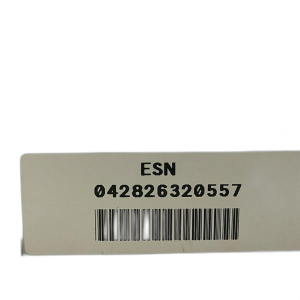
We Have This Part in Stock



The information in this article is provided for general reference and educational purposes only. Vehicle specifications, procedures, and part compatibility can vary by production date, trim level, and region. Always consult your vehicle's factory service manual and verify part numbers before purchasing or performing repairs. Safety-critical components such as airbags, seat belts, and braking systems should be installed by a qualified professional.
- Mazda CX-9:
- 🛍️ Shop This Part
- Symptoms of a Failing CX-9 Audio Amplifier
- Known Issues and Common Causes of Failure
- Water Intrusion
- Internal Electronic Failure
- Buying a Used 2009-2012 Mazda CX-9 Amplifier
- Programming and Installation
- Amplifier Location and Replacement
- Cost Breakdown
- Frequently Asked Questions (FAQ)
- Technical Specifications and Part Numbers
- OEM Part Numbers
- 🎟️ Get 5% Off