

2022-2024 Lucid Air Audio Amplifier: Decoding Failures, Sound Systems, and Replacement
This guide covers the complex, software-driven audio systems in the Lucid Air, focusing on common issues and the critical programming required for replacement amplifiers.
- A replacement amplifier MUST be programmed by a Lucid Service Center to function; this is not a DIY or independent shop job due to 'Component Protection'.
- Many audio issues (intermittent sound, volume problems) are software-related and can sometimes be fixed with a system reboot.
- The Lucid Air has two distinct, non-interchangeable audio systems: the base 'Surreal Sound' and the 21-speaker 'Surreal Sound Pro'. Parts must match the vehicle's original system.
- Aftermarket modifications to the audio system are extremely risky and can lead to major electronic failures.
System Variants: 'Surreal Sound' vs. 'Surreal Sound Pro'
The 2022-2024 Lucid Air was available with two different audio systems, and their components are not interchangeable. Identifying the correct system is the first step in any diagnosis or repair.
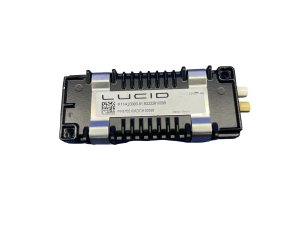
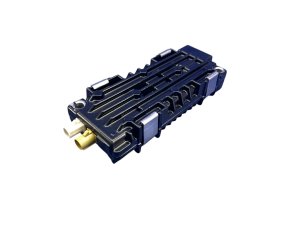
- Surreal Sound (Base): The standard system. While Lucid's official site states it has 9 speakers, owner discussions suggest it may have up to 12. It uses a 'Base Audio Sound Radio Amplifier Module' (Part No. P11-K26000-01 or similar).
- Surreal Sound Pro (SSP): A premium, 21-speaker system that was available as a $4,000 option on some trims. It is designed for Dolby Atmos playback and uses a more complex, dual-amplifier setup. This system includes multiple amplifier modules, such as a 'Rear Right Audio Amplifier Module' (Part No. P11-K27000-01).
You can typically identify the SSP system by the presence of speakers in the headliner and upper A-pillars. Because the hardware is different, a used amplifier must be sourced from a vehicle with the exact same audio system.
Symptoms of Audio Amplifier Failure
Audio problems in the Lucid Air can stem from either hardware failure or, more commonly, software glitches. Distinguishing between them is key to diagnosis.
Hardware Failure Symptoms
- Complete loss of audio: No sound from any speaker, but the infotainment screen works fine.
- Sound from only one side of the car: A common symptom where a channel or entire amplifier module has failed. One owner reported losing all sound except for the driver's front side, which was ultimately traced to a faulty amplifier and audio module that required replacement by Lucid Service.
- Popping or crackling noises: Loud, uncomfortable popping sounds that can occur with music or even when using turn signals can indicate a failing amplifier or a bad speaker.
- Distorted or poor-quality sound: If the audio sounds muffled, lacks bass, or is generally poor despite EQ settings, it could point to a failing component. One owner had a defective speaker from the factory, which required a service visit to replace.
Software-Related Issues
Many audio issues reported by owners are linked to the vehicle's software, particularly after an Over-The-Air (OTA) update. These are often not true hardware failures.
- Sudden volume changes: Owners have reported that after a software update, the volume became extremely loud at low settings.
- Loss of audio temporarily fixed by a reboot: If holding the Air logo on the center screen to reboot the system restores sound, the problem is almost certainly software-based.
- System features disabled: One owner noted their 'Surreal Sound Pro' system was disabled after an update, requiring a remote fix from a Lucid technician to re-enable it.
- Poor sound quality after an update: Changes in equalization (EQ) or sound processing via software can make the system sound worse.
Pro Tip: Before assuming the amplifier has failed, always perform a full infotainment system reboot by holding the vehicle icon on the lower pilot panel. If that doesn't work, try a 'deep sleep' by locking the car and walking away for at least 30 minutes. Many intermittent audio glitches are resolved by these simple resets.
Known Issues, TSBs, and Recalls
As of this writing, there are no official NHTSA recalls specifically for the audio amplifier in the 2022-2024 Lucid Air. However, owners have reported service actions for audio issues.
- Bass Fix Campaign: Some owners have mentioned a service fix for poor bass response that involved both a physical modification (a 'tape fix' on the speakers) and a corresponding software update that had to be enabled by Lucid Service. This indicates that Lucid is aware of some audio performance issues and has specific, non-public procedures to address them.
- Software-Related Campaigns: Lucid frequently issues OTA updates and Technical Service Campaigns (TSCs) to fix software bugs. While not directly for the amplifier, these updates can impact audio performance, for better or worse.
Warning: Aftermarket audio modifications are strongly discouraged. The Lucid Air's audio system is deeply integrated with the vehicle's electronics. An experienced car audio shop reported that the few attempts they knew of to modify the system resulted in the vehicles needing to be towed, indicating a high risk of causing major electronic failures.
Buying a Used Lucid Air Audio Amplifier
Due to the vehicle's complexity, buying a used amplifier requires extreme care. This is not a simple plug-and-play part.
Programming and Component Protection
This is the single most important factor. The Lucid Air, like other high-end luxury vehicles, uses a system often called 'Component Protection'. This means major electronic modules, including the audio amplifiers, are digitally 'locked' to the specific vehicle's VIN at the factory.
- If you install a used amplifier, it will not function correctly. You will likely experience symptoms like no sound, or audio only from one side of the car.
- The replacement amplifier MUST be programmed and adapted to your vehicle by a Lucid Service Center or a Lucid Mobile Technician with the proper diagnostic tools and online access to Lucid's factory servers.
- There is currently no known way for an independent shop or a DIYer to perform this programming. You will need a dealer visit.
Inspection and Compatibility
- Match Part Numbers Exactly: The system uses multiple modules. Ensure the part number on the used unit (e.g., P11-K27000-01) matches your original part perfectly.
- Verify the System Type: Ensure the donor vehicle had the same audio system as yours (Base or Surreal Sound Pro). An SSP amplifier will not work in a base system car, and vice-versa.
- Physical Inspection: Check for any signs of corrosion on the connectors, damage to the casing, or water marks. Amplifiers are often located in areas susceptible to moisture.
- Source is Key: Purchase from a reputable seller who guarantees the part is functional. Given the programming requirement, you are buying a piece of hardware that is inert until activated by Lucid. The seller cannot guarantee it will work in your car, only that it was functional in the donor vehicle.
Cost of Replacement
Repairing the audio system in a Lucid Air can be expensive, reflecting the vehicle's high-tech nature and high general repair costs.
| Part/Service | Estimated Cost |
|---|---|
| New OEM Amplifier | Contact Lucid Service Center (not sold directly) |
| New Aftermarket Amplifier | Not Available / Not Recommended |
| Used OEM Amplifier | $200 - $600 |
| Shop Labor (Installation & Programming) | $300 - $600 (estimate, dealer-only programming required) |
Frequently Asked Questions (FAQ)
Do I need to program a replacement Lucid Air amplifier?
Yes, absolutely. A replacement amplifier, whether new or used, must be programmed to your vehicle's VIN by a Lucid Service Center. Without this step, the part will not function correctly due to a feature known as Component Protection.
Why did my sound quality change after a software update?
The audio profile, equalization, and volume controls are all managed by software. Lucid can and does alter these settings with OTA updates. Some owners have reported significant, and not always positive, changes to the audio system's behavior after an update.
Can an independent shop or I replace the amplifier myself?
While you could physically swap the module, you cannot complete the job. The final, mandatory step is software programming that can only be performed by Lucid. Therefore, DIY or independent shop replacement is not feasible at this time.
Where is the audio amplifier located in the Lucid Air?
While a complete diagram is not publicly available, evidence points to the main audio components being located in the rear of the vehicle. Part listings identify a 'Rear Right' amplifier module, and owners performing subwoofer upgrades have tapped into wiring and power sources in the trunk area.
Technical Specifications
OEM Part Numbers: P11-K27000-01 P11K27000 P11-K26000-01 P11K2600001 P11-K290G0
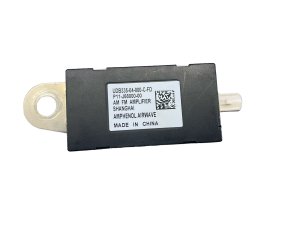
System is comprised of multiple modules, including a Base Amplifier, Rear Amplifiers (on SSP), and a Telematics Audio Control Module. The 'Surreal Sound Pro' system features 21 speakers and dual amplifiers.
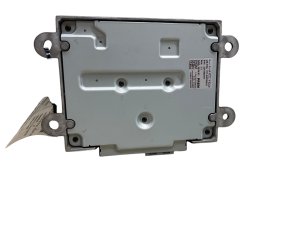
We Have This Part in Stock


The information in this article is provided for general reference and educational purposes only. Vehicle specifications, procedures, and part compatibility can vary by production date, trim level, and region. Always consult your vehicle's factory service manual and verify part numbers before purchasing or performing repairs. Safety-critical components such as airbags, seat belts, and braking systems should be installed by a qualified professional.
- Lucid Air:
- 🛍️ Shop This Part
- System Variants: 'Surreal Sound' vs. 'Surreal Sound Pro'
- Symptoms of Audio Amplifier Failure
- Hardware Failure Symptoms
- Software-Related Issues
- Known Issues, TSBs, and Recalls
- Buying a Used Lucid Air Audio Amplifier
- Programming and Component Protection
- Inspection and Compatibility
- Cost of Replacement
- Frequently Asked Questions (FAQ)
- 🎟️ Get 5% Off