

2018-2023 Jeep Wrangler Audio Amplifier: Fixing Sound Issues, Water Damage, and Replacement Guide
This guide covers the premium Alpine amplifier, explaining common failures from water leaks, symptoms like popping or no sound, and crucial programming information for replacement.
- This amplifier is ONLY for Wranglers with the optional premium Alpine sound system. Base models do not have an external amp.
- The most common cause of failure is water damage from known leaks into the driver's side footwell, where the amp is located.
- A replacement amplifier (new or used) MUST be programmed to the vehicle via a "Proxy Configuration Alignment," which typically requires a dealer visit.
- Before replacing the amp for popping/crackling sounds, have a dealer check for radio software updates per TSB 08-003-22 REV. A, as this can mimic amplifier failure.
Is This Guide For You? Standard vs. Premium Alpine Audio

Before diagnosing any issues, you must identify which sound system your 2018-2023 Jeep Wrangler has. This guide specifically covers the optional premium Alpine audio system, which includes an external amplifier. The standard, base-model audio system does not have an external amplifier; all sound is powered directly from the head unit.
- Premium Alpine System: You will have an external amplifier. The speaker grilles will have an 'Alpine' logo, and your vehicle will have an all-weather subwoofer in the cargo area floor. The amplifier is located under the driver's side dashboard, to the left of the steering column.
- Standard System: You do not have an external amplifier. If you have no sound or distorted sound, the problem is likely with the head unit or the speakers themselves, not a separate amplifier.
Warning: The amplifier part numbers listed in this guide are ONLY for vehicles originally equipped with the premium Alpine audio system. They will not work as an upgrade for a standard system, as the vehicle's wiring harness and computer configuration are different.
Symptoms of a Failing Audio Amplifier

When the amplifier begins to fail, you'll notice obvious problems with your Jeep's sound system. Here are the most common signs:
- No Sound at All: The most common symptom is a complete loss of audio from all speakers, even though the Uconnect head unit appears to be working correctly.
- Distorted or Fuzzy Sound: Music may sound fuzzy, crackly, or heavily distorted, even at low volumes. This can indicate failing internal components that can no longer regulate power properly.
- Popping or Cracking Noises: Loud pops or cracks from the speakers, either intermittently or constantly, can point to a failing amplifier. However, see the TSB section below, as this can also be a radio software issue.
- Sound Cutting In and Out: The audio may work for a few minutes and then cut out, sometimes returning after the vehicle has been off for a while. This can be a sign of the amplifier overheating and entering a protection mode.
- Loss of Specific Channels: You might lose sound from one or more speakers (e.g., only the front speakers work, or only the right side).
- Weak Bass or No Subwoofer Output: If the rest of the speakers work but the subwoofer is silent or weak, it could indicate a failure of the subwoofer channel within the amplifier.
- Burning Smell: A distinct electrical burning smell from the driver's side footwell area is a serious red flag. If you smell this, turn off the audio system immediately to prevent further damage or a potential fire.
Is It the Amplifier or the Radio? (TSB Information)
Before you replace the amplifier, be aware of Technical Service Bulletin (TSB) 08-003-22 REV. A. This TSB applies to many Jeep models, including the 2018-2023 Wrangler with the 8.4-inch Uconnect system. It notes that symptoms like "speaker popping, crackle noise during Voice Recognition (VR) response and navigation guidance" and even intermittent black screens or volume issues can be caused by a software glitch in the radio itself. The fix is a radio software update performed by a dealer. If your symptoms match the TSB, have a dealer check your radio's software version before spending money on a new amplifier.
Known Issues and Common Failure Modes

Water Intrusion: The Amplifier's #1 Enemy
The single most common cause of failure for the Jeep Wrangler JL's premium audio amplifier is water damage. The amplifier is mounted under the driver's side dashboard, an area known to be vulnerable to water leaks. Forum discussions among owners frequently mention water entering the cabin during heavy rain, often ending up in the driver's side footwell. This water can drip onto the amplifier or its wiring connectors, causing short circuits, corrosion, and eventual failure. When inspecting a failed amplifier or buying a used one, look for any signs of rust, corrosion on the pins, or a white or green powdery residue, which are all tell-tale signs of water damage.
Programming and Installation

Programming Required: Replacing the audio amplifier is not a simple plug-and-play repair. The amplifier is a module on the vehicle's CAN bus network. A replacement amplifier, even a new or used OEM unit with the exact same part number, must be registered with the vehicle's computer system. This process is often called a "Proxy Configuration Alignment." Without this step, the vehicle may not recognize the new amplifier, resulting in no audio or other electrical issues. This procedure requires a dealership's wiTECH scan tool or a high-end professional aftermarket scan tool with this capability. An independent shop that specializes in Chrysler/Jeep vehicles may be able to perform the programming, but a dealer visit is the most certain path.
Replacement Procedure Overview
Replacing the amplifier is a moderately difficult job that a skilled DIYer can perform, but programming will still need to be done by a professional. The amplifier is located under the driver's side dash, to the left of the steering column and behind the OBD-II port.
- Disconnect the negative battery terminal.
- Remove the driver's side knee bolster panel and any surrounding trim panels under the steering wheel to gain access.
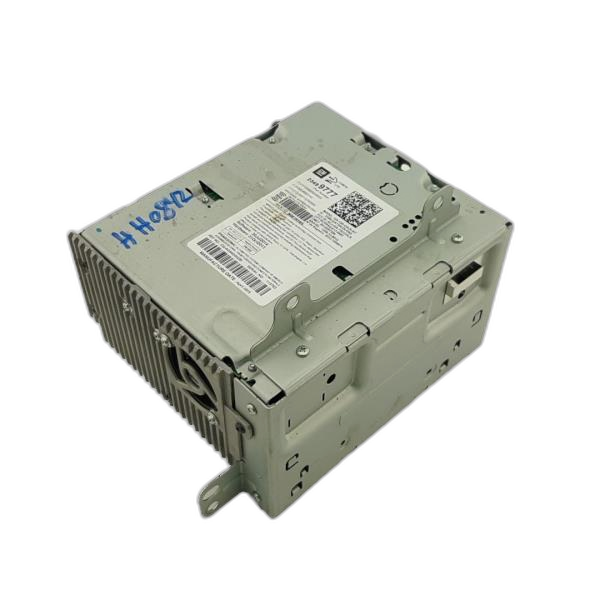
- Locate the amplifier. It is a silver or black metal box with multiple wiring harnesses connected to it.
- Carefully disconnect all electrical connectors. Pay attention to any locking tabs.
- Unbolt the amplifier from its mounting bracket.
- Install the new amplifier, reconnect the wiring, and reassemble the dash panels.
- Reconnect the battery.
- Take the vehicle to a dealer or qualified shop to have the Proxy Configuration Alignment procedure performed.
Buying a Used Audio Amplifier
A used OEM amplifier can be a cost-effective alternative to a brand-new unit, but careful inspection is key. Here’s what to look for:
- Part Number Match: This is the most important step. Part numbers for these amplifiers have been updated several times. You MUST match the part number from your old amplifier exactly or confirm that the new part number is a direct, official Mopar supersession for your original. Using the wrong amplifier can result in incompatibility.
- Inspect for Water Damage: Given the common failure mode, this is crucial. Look closely at the casing for any signs of corrosion or water stains. Pay special attention to the connector pins—they should be clean and shiny, not green, white, or rusted. A used part listing that specifically mentions "no water damage" is a good sign.
- Check the Connectors: Ensure none of the plastic connector housings are cracked or broken and that all pins are straight and not bent or pushed in.
- Source and Warranty: Buy from a reputable seller that offers a warranty and a return policy. This gives you protection in case the unit is dead on arrival or fails shortly after installation.
Cost of Replacement
The cost to replace a Jeep Wrangler audio amplifier can vary significantly based on the part source and labor rates.
| Item | Estimated Cost |
|---|---|
| New OEM Amplifier | $270 - $460 |
| Used OEM Amplifier | $150 - $250 |
| Shop Labor (Replacement) | $150 - $300 (1.5-2.5 hours) |
| Shop Labor (Programming) | $100 - $200 (0.5-1.0 hour) |
| Total Dealer Replacement | $520 - $960 |
| Total DIY with Used Part + Pro Programming | $400 - $650 |
Frequently Asked Questions (FAQ)
Do I have to take my Jeep to the dealer after installing a new amplifier?
Almost certainly, yes. The amplifier is tied into the vehicle's computer network (CAN bus). A replacement unit needs to be electronically introduced to the vehicle through a "Proxy Configuration Alignment." While some high-end independent shops may have the tools to do this, a Jeep dealership is the most reliable option.
Can I upgrade my standard sound system with a premium Alpine amplifier?
No, this is not a practical upgrade. The vehicle wiring harness, speaker impedance, and computer programming are different between the standard and premium systems. If you want to upgrade a standard system, you should use aftermarket components, including an aftermarket amplifier and a suitable wiring interface like a PAC AmpPRO module.
My speakers are popping and crackling. Is it definitely the amp?
Not necessarily. Before replacing the amplifier, check TSB 08-003-22 REV. A. It states that popping and crackling noises can be caused by a software issue in the Uconnect radio. A simple software update at the dealership might fix your problem without needing to replace any hardware.
Where is the amplifier located on a 2018-2023 Jeep Wrangler?
On models with the premium Alpine audio system, the amplifier is located under the driver's side dashboard, to the left of the steering column and tucked behind the OBD-II diagnostic port. Models with the standard audio system do not have a separate, external amplifier.
What OBD-II codes are associated with a bad amplifier?
While specific codes for the JL are not widely published, they are likely similar to other Chrysler vehicles. Look for codes indicating an open, short, or high/low circuit for any of the audio speaker output channels (e.g., B1460-B146E). You may also see communication codes like U0186 (Lost Communication With Audio Amplifier). A professional scan tool is needed to read these body control module codes.
Technical Specifications
OEM Part Numbers: 68441765AA 68471119AA 68549084AC 68549091AA 68642701AB
Location: Under driver's side dashboard, left of steering column. System: For premium Alpine 9-speaker system with subwoofer. Note: This is a networked module on the vehicle's CAN bus system.
We Have This Part in Stock





The information in this article is provided for general reference and educational purposes only. Vehicle specifications, procedures, and part compatibility can vary by production date, trim level, and region. Always consult your vehicle's factory service manual and verify part numbers before purchasing or performing repairs. Safety-critical components such as airbags, seat belts, and braking systems should be installed by a qualified professional.
- Jeep Wrangler:
- 🛍️ Shop This Part
- Is This Guide For You? Standard vs. Premium Alpine Audio
- Symptoms of a Failing Audio Amplifier
- Is It the Amplifier or the Radio? (TSB Information)
- Known Issues and Common Failure Modes
- Water Intrusion: The Amplifier's #1 Enemy
- Programming and Installation
- Replacement Procedure Overview
- Buying a Used Audio Amplifier
- Cost of Replacement
- Frequently Asked Questions (FAQ)
- 🎟️ Get 5% Off