

Ford Sony Amp Failure (2012-2019): The Real Reason Your Radio is Silent
If your Ford's radio screen works but you have no sound, the external Sony amplifier is the most likely culprit—here's how to diagnose, replace, and understand it.
- The classic symptom of failure is the radio screen working perfectly but having complete silence from all speakers.
- Failure is very commonly triggered by a battery replacement or jump-start due to voltage fluctuations.
- A replacement used amplifier is usually plug-and-play, but may require reprogramming with FORScan or by a dealer if issues persist.
- This amplifier is ONLY for vehicles with the factory Sony premium sound system and cannot be used to upgrade a base model radio.
Is Your Ford Radio On With No Sound?

It’s a common and frustrating problem. You get in your 2013-2014 Ford Escape, 2013-2015 Ford Explorer, or another Ford model, turn on the car, and the radio screen lights up as normal. You can change stations, connect your phone via Bluetooth, and see the volume level change on the screen, but there is complete silence from the speakers. No pops, no crackles, just nothing. In vehicles equipped with the Sony premium audio system, this is the classic sign of a failed audio amplifier, also known as the DSP module.
Vehicles Covered
This guide applies to the Sony audio amplifier found in the following vehicles. These models often share the same electronic architecture, resulting in shared parts and similar issues.
- 2013-2014 Ford Escape
- 2013-2015 Ford Explorer
- 2013-2014 Ford Edge
- 2012-2013 Ford Focus
- 2013-2019 Ford Taurus
- 2013-2015 Ford Police Interceptor Utility
- 2013-2019 Ford Police Interceptor Sedan
- 2013-2019 Ford Flex
Important: This amplifier is only for vehicles factory-equipped with the Sony premium sound system. It will not work as an upgrade for a base model audio system. Additionally, for the 2014 Ford Escape, this part is correct for vehicles manufactured on or before June 12, 2014.
Symptoms of a Failing Audio Amplifier
While total silence is the most common symptom, a failing Ford Sony amplifier can manifest in a few different ways.
- Complete and Sudden Silence: The head unit appears to function perfectly, but no sound comes from any speaker, regardless of the audio source (FM, CD, Bluetooth). This is the most definitive symptom.
- Loud Popping, Static, or Whining Noises: In some cases, a failing amplifier or a bad ground connection can produce loud, unpleasant noises through the speakers. A whining noise that changes pitch with engine RPM is often a sign of a poor ground connection to the amplifier.
- Intermittent Audio Cut-Out: The sound may cut in and out randomly while driving. This can be a sign of internal components failing or a loose connection.
- Loss of Specific Channels: You might lose sound from only the subwoofer or center speaker, which can point to a partial failure within the DSP module.
Common Causes of Amplifier Failure

- Battery Change or Jump-Start: The most commonly reported trigger for this amplifier to fail is a sudden change in voltage. Many owners report the sound was working perfectly until the vehicle's battery was replaced or jump-started. The resulting voltage spike or interruption can corrupt the amplifier's internal software or damage sensitive components.
- Water Intrusion: The amplifier is often located in the rear cargo area, a space that can be vulnerable to moisture from leaking window seals or blocked sunroof drains. Over time, moisture can cause corrosion on the circuit board, leading to failure.
- Poor Grounding: Some vehicles experience issues where the factory ground point for the amplifier is insufficient, causing noise and potentially stressing the amplifier's electronics. In some cases, the amplifier is grounded to a painted surface, which prevents a solid connection.
- Internal Component Wear: Like any electronic device, the capacitors and other components inside the amplifier can simply wear out over time, especially in high-mileage vehicles or those exposed to extreme temperatures.
Diagnosing the Issue

If you have no sound, follow these steps before buying a new part.
- Check the Fuses: There are typically one or two fuses for the audio amplifier. On the Escape and Focus, a key fuse is located in the rear fuse panel in the trunk area. For the Explorer and Edge, check the interior fuse panel under the driver's side dash. Always check your owner's manual for the specific fuse number and location.
- Perform a Hard Reset: Disconnecting the vehicle's battery for about 30-60 minutes can sometimes resolve software glitches. This forces all modules to reboot. 🎬 Watch how to perform a quick radio power reset. If the sound returns after reconnecting the battery, the issue was likely a temporary software fault.
- Scan for Diagnostic Trouble Codes (DTCs): A professional scan tool (or a powerful DIY tool like FORScan) can communicate directly with the Audio Digital Signal Processing (DSP) Module. A basic OBD-II code reader will not see these codes. Look for B-codes (Body) or U-codes (Network) related to the DSP, ACM (Audio Control Module), or speaker circuits. This can confirm if the module is offline or has detected an internal fault.
Programming and Installation: Is It Plug-and-Play?
This is the most important question for any electronic module. For this specific amplifier, the answer is usually, but not always, plug-and-play.
- A used amplifier from a vehicle with the same sound system and similar options should work upon installation without any special programming. The module does not need to be matched to the VIN.
- However, if a replacement amplifier does not work, it may be due to a configuration mismatch. In these cases, the module's 'As-Built' data may need to be reprogrammed.
- DIY Reprogramming: This can be done using a Windows laptop, a compatible OBD2 adapter, and a free software tool called FORScan. 🎬 See this tutorial on how to use FORScan software. This allows you to download your vehicle's original amplifier configuration from Ford's database and write it to the replacement module.
- Professional Reprogramming: A Ford dealer or a well-equipped independent shop can reprogram the module using their diagnostic scan tool.
Pro Tip: Before removing your old amplifier, if possible, use FORScan to save its 'As-Built' configuration file. This gives you a perfect backup that you can load onto the replacement part if needed.
Buying a Used Audio Amplifier
Why Buy Used OEM?
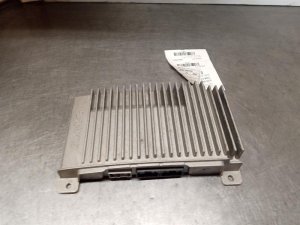
New OEM amplifiers from a Ford dealer can be very expensive, often costing over $500. There are no direct aftermarket replacements for this specific Sony DSP amplifier, only complex bypass kits for installing a completely new system. A used OEM amplifier from a reputable recycler offers the same factory performance and plug-and-play potential for a fraction of the price.
What to Look For
- Match the Part Number Family: The most important thing is to match the first part of the part number, such as 'CT4T-18B849'. The last two letters (e.g., AA, AB, AC) are revisions and are generally interchangeable.
- Confirm Sony System: Ensure the part came from a vehicle with the Sony premium audio system. An amplifier from a base model will not work.
- Inspect Connectors: Look at photos of the part and check for any green or white crusty residue on the electrical pins. This is a clear sign of water damage, and you should avoid that part.
- Check the Source Vehicle: If possible, choose a part from a lower-mileage vehicle that was not involved in a flood or rear-end collision.
Replacement Procedure Overview

Replacing the amplifier is a straightforward job that is feasible for a DIYer. The main task is removing interior trim panels to gain access. The amplifier is almost always located in the rear of the vehicle.
- Ford Escape (2013-2014): In the trunk, behind the right-side trim panel. 🎬 Watch this step-by-step guide to locate and remove the amplifier.
- Ford Explorer (2013-2015): In the cargo area, behind the passenger-side quarter panel trim.
- Ford Edge (2013-2014): In the cargo area, behind the passenger-side trim panel, near the factory subwoofer.
- Ford Focus (2012-2013): In the trunk, behind the left-side trim panel.
- Ford Flex (2013-2019): Behind the right rear trim panel in the cargo area.
- Ford Taurus & Police Interceptor Sedan (2013-2019): Typically located in the trunk, behind the trim on the passenger side.
Cost of Replacement
| Part Type | Estimated Cost |
|---|---|
| New OEM | $500 - $750 |
| Used OEM | $75 - $250 |
| Remanufactured | $150 - $350 |
| Shop Labor | $120 - $270 |
Frequently Asked Questions (FAQ)
Why did my sound stop working right after changing the battery?
This is the most common failure scenario. The amplifier's electronics are sensitive to the voltage spikes and interruptions that can occur during a battery replacement or jump-start. This event can corrupt the amplifier's software or damage an internal component, causing it to go silent.
Do I need a dealer to program the new amplifier?
Usually not. A used amplifier with a matching part number from a similar vehicle should be plug-and-play. If it doesn't work, it can be reprogrammed by a dealer or by a DIYer using software like FORScan.
Can I upgrade my base radio system with this Sony amplifier?
No. The Sony amplifier is part of an integrated system that uses a different wiring harness and communicates with the head unit over a data bus. It cannot be easily added to a vehicle with the standard, non-premium audio system.
Where is the amplifier located in my vehicle?
It is almost always in the rear cargo or trunk area, typically on the passenger side behind the plastic trim panels. Specific locations are listed in the 'Replacement Procedure' section above.
Helpful Videos
Technical Specifications
OEM Part Numbers: CT4T-18B849-AA CT4T-18B849-AB CT4T-18B849-AC CT4T-18B849-AD CT4T-18B849-AE CT4T-18B849-AF CT4T-18B849-AG CT4T-18B849-AH CT4T-18B849-AJ CT4T-18B849-DB CT4Z-18A849-B
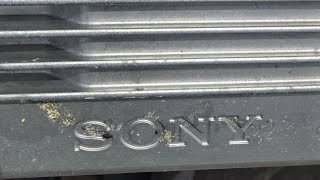
Digital Signal Processing (DSP) Amplifier for Sony premium audio systems. Communicates via the vehicle's CAN bus network.
We Have This Part in Stock





The information in this article is provided for general reference and educational purposes only. Vehicle specifications, procedures, and part compatibility can vary by production date, trim level, and region. Always consult your vehicle's factory service manual and verify part numbers before purchasing or performing repairs. Safety-critical components such as airbags, seat belts, and braking systems should be installed by a qualified professional.
- Ford Escape:
- Ford Explorer:
- Ford Edge:
- Ford Focus:
- Ford Taurus:
- Ford Police Interceptor Utility:
- Ford Police Interceptor Sedan:
- Ford Flex:
- 🎬 Helpful Videos
- 🛍️ Shop This Part
- Is Your Ford Radio On With No Sound?
- Vehicles Covered
- Symptoms of a Failing Audio Amplifier
- Common Causes of Amplifier Failure
- Diagnosing the Issue
- Programming and Installation: Is It Plug-and-Play?
- Buying a Used Audio Amplifier
- Why Buy Used OEM?
- What to Look For
- Replacement Procedure Overview
- Cost of Replacement
- Frequently Asked Questions (FAQ)
- 🎟️ Get 5% Off