

2005-2008 Chrysler Pacifica Infinity Amplifier: No Sound, Diagnosis, and Replacement
Your guide to diagnosing common audio failures, finding the right used part, and replacing the 385-watt premium sound amplifier in your Pacifica.
- This amplifier is only for the 385-watt Infinity premium sound system; it is not compatible with base model audio.
- Replacement is plug-and-play. No dealer programming is required, making a used amplifier an excellent DIY-friendly option.
- The most common symptom of failure is the radio turning on but having no sound at all from the speakers.
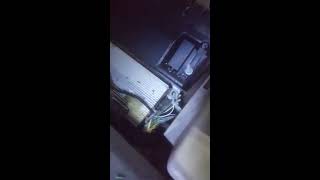
- The amplifier is located in the rear cargo area, under the plastic storage bin liner.
Symptoms of a Failing Amplifier
When the factory Infinity amplifier begins to fail, it can cause a range of audio problems. Because it's the central power source for all the speakers, a complete failure will result in silence, but partial failures can be more confusing.
- Complete Loss of Sound: The most common symptom. The radio head unit will power on, display stations, and appear to function normally, but no sound will come from any of the speakers.
- Intermittent Audio: Sound may cut in and out, sometimes triggered by bumps in the road or temperature changes. This can indicate failing internal components or a poor connection.
- Popping or Crackling Noises: Loud pops or static from the speakers, even with the volume turned down, often point to a short-circuiting or failing amplifier.
- Sound from Only Some Speakers: One or more channels on the amplifier may fail, leading to a loss of sound from specific speakers (e.g., only the front speakers work, or only the right side).
- Distorted or Weak Audio: If the sound is fuzzy, weak, or lacks bass, even at higher volumes, the amplifier may not be producing enough clean power.
Diagnosing the Issue
If you're experiencing a total loss of sound, don't immediately assume the amplifier is bad. Follow these steps to rule out simpler problems:
- Check the Fuses: The amplifier has its own fuse. Check the fuse boxes, both in the interior and under the hood, for any blown fuses related to the 'Audio Amplifier' or 'Radio'.
- Confirm Radio Power: If your radio head unit turns on, it's likely receiving power. However, the amplifier is on a separate circuit.
- Perform a Hard Reset: In some cases, disconnecting the vehicle's battery for about 30 minutes can reset the electronic modules and may temporarily restore sound. This is not a permanent fix but can help confirm a module-related issue.
- Access the Amplifier: If the fuses are good, the next step is to access the amplifier to check its connections. In the 2005-2008 Pacifica, the amplifier is located in the rear cargo area. You will need to lift the rear storage compartment floor and remove the plastic liner to access it. It is typically found on the passenger side or rear corner. Check that the electrical connectors are securely plugged in and show no signs of corrosion or water damage.
Warning: The audio system in the Pacifica uses a digital data bus signal, not traditional speaker-level or RCA inputs from the head unit. This means you cannot easily test the amplifier's input with a standard audio source.
Buying a Used Amplifier: What You Need to Know
For a vehicle of this age, a used OEM amplifier is often the most cost-effective and reliable solution. Here’s how to ensure you get the right part.
1. Verify Your Sound System
This amplifier is only for the 385-watt premium Infinity sound system. It will not work in a vehicle with the base model audio system. Look for 'Infinity' logos on your speaker grilles or door panels. If you're unsure, a Chrysler dealer can run your Vehicle Identification Number (VIN) to confirm your vehicle's original options.
2. Match the Part Number
This is the most critical step. Chrysler used several part numbers for this amplifier over its production run. While later part numbers often supersede earlier ones, it is safest to match your original part number exactly or confirm interchangeability. Known part numbers include:
- 04685876AE
- 04685876AF
- 04685876AG
- 04685876AH
- 04685876AI
- 04685876AK
- 04685876AL
The part number is printed on a sticker on the amplifier's metal case. Part number 4685876AL is a later version that replaces 4685876AI and 4685876AK.
3. Physical Inspection
When buying a used amplifier, inspect it carefully:
- Connector Pins: Look for any signs of green or white corrosion on the electrical pins. Corrosion indicates past moisture exposure and is a major red flag.
- Casing: Check for dents, heavy scratches, or signs that the case has been opened.
- Source Vehicle: If possible, find out the history of the vehicle it came from. An amplifier from a low-mileage, collision-damaged vehicle is usually a better bet than one from a high-mileage vehicle that was scrapped for unknown reasons.
Pro Tip: A used OEM amplifier is plug-and-play. Unlike many modern car electronics, this amplifier does not require any dealer programming or flashing after installation. This makes a used unit an excellent DIY-friendly option.
Replacement Guide
Replacing the amplifier is a straightforward job that can be done with basic hand tools.
- Disconnect the Battery: Before working on any vehicle electronics, disconnect the negative terminal of the battery.
- Access the Amplifier: Open the rear hatch and lift the floor panel of the cargo storage area.
- Remove the Storage Bin: You will need to unbolt and remove the plastic storage bin liner to reveal the amplifier mounted underneath.
- Unbolt the Amplifier: The amplifier is held in place by a few screws (typically 3). Remove these screws.
- Disconnect Connectors: Carefully press the release tabs on the two large electrical connectors and pull them straight out.
- Install the New Amplifier: Installation is the reverse of removal. Bolt the replacement amplifier in place, plug in the connectors, reinstall the storage bin, and reconnect the battery.
Cost of Replacement
The cost to fix a failed amplifier can vary significantly depending on the route you take.
| Part Type | Estimated Cost |
|---|---|
| New OEM | $400 - $600+ (often discontinued) |
| New Aftermarket | Not commonly available |
| Used OEM | $50 - $150 |
| Shop Labor | $100 - $200 (approx. 1 hour) |
Known Issues, Recalls, and TSBs
There are no specific recalls or Technical Service Bulletins (TSBs) from the National Highway Traffic Safety Administration (NHTSA) for the audio amplifier on the 2005-2008 Chrysler Pacifica. Most failures are due to age-related electronic component failure. While there have been recalls for radio software on newer Pacifica models, these do not apply to the 2005-2008 generation.
Frequently Asked Questions (FAQ)
Does a replacement amplifier need to be programmed by a dealer?
No. The amplifier for the 2005-2008 Chrysler Pacifica is a plug-and-play part. You can install a used amplifier from another Pacifica with the same part number without needing any special programming.
My radio turns on but there's no sound. Is it the amplifier?
Most likely, yes. If the radio display works but you have no sound from any speaker, the amplifier is the most common culprit, assuming you have already checked the fuses.
Where is the amplifier located in a 2007 Chrysler Pacifica?
The location is the same for all 2005-2008 models. It is located in the rear cargo area, under the plastic storage bin, typically on the passenger side or in the rear corner of the compartment.
Can I install an aftermarket amplifier instead?
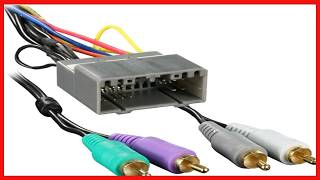
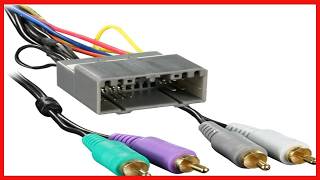
It is very difficult. The factory system uses a proprietary digital data bus signal from the head unit to the amplifier, not standard RCA or speaker-level inputs. To use an aftermarket amplifier, you would need a special, and often expensive, integration adapter or need to bypass the factory system entirely by running new wires from an aftermarket head unit.
🎬 Watch: How to bypass a failed factory amplifierHelpful Videos
Technical Specifications
OEM Part Numbers: 04685876AE 04685876AF 04685876AG 04685876AH 04685876AI 04685876AK 04685876AL 4685876AF 4685876AG 4685876AH 4685876AI 4685876AK 4685876AL
385-watt, 8-channel amplifier for Infinity premium sound system. Communicates via digital audio data bus.
We Have This Part in Stock




The information in this article is provided for general reference and educational purposes only. Vehicle specifications, procedures, and part compatibility can vary by production date, trim level, and region. Always consult your vehicle's factory service manual and verify part numbers before purchasing or performing repairs. Safety-critical components such as airbags, seat belts, and braking systems should be installed by a qualified professional.
- Chrysler Pacifica:
- 🎬 Helpful Videos
- 🛍️ Shop This Part
- Symptoms of a Failing Amplifier
- Diagnosing the Issue
- Buying a Used Amplifier: What You Need to Know
- 1. Verify Your Sound System
- 2. Match the Part Number
- 3. Physical Inspection
- Replacement Guide
- Cost of Replacement
- Known Issues, Recalls, and TSBs
- Frequently Asked Questions (FAQ)
- 🎟️ Get 5% Off