

2009-2014 Cadillac CTS Bose Amplifier: Solving No-Sound Issues & Compatibility
Your definitive guide to diagnosing, replacing, and finding the correct used Bose audio amplifier for your 2009-2014 Cadillac CTS.
- Compatibility is critical: You MUST match the OEM part number and verify your car has the Bose Surround Sound system (RPO code UQS).
- Water damage is the #1 killer of these amplifiers. Before replacement, find and fix any trunk leaks from sunroof drains or seals.
- No programming is required if you install a used amplifier with the exact same part number as the original.
- Failure results in a total loss of sound, including radio, chimes, and turn signal clicks.
Symptoms of a Failing 2009-2014 Cadillac CTS Audio Amplifier
A failing amplifier can manifest in several ways, ranging from a complete loss of sound to strange and intermittent noises. Because the amplifier also handles audible alerts, its failure can be both annoying and concerning.
- Complete Loss of Audio: The most common symptom is when the radio appears to function correctly (displaying stations, track info, etc.), but no sound comes from any speaker. This also includes a loss of sound for turn signal clicks, door chimes, and navigation prompts.
- Intermittent Sound: Audio may cut in and out unpredictably. This can be triggered by bumps in the road, temperature changes, or happen randomly.
- Popping, Crackling, or Static: Loud, unpleasant noises may come from the speakers, either constantly or intermittently. Some owners have reported a loud "machine gun" type noise.
- Sound from Only One Side: One or more channels of the amplifier may fail, resulting in sound playing from only the left or right side of the vehicle.
- Drained Battery: In some cases, a faulty amplifier may not shut down correctly when the vehicle is turned off, creating a parasitic draw that can drain the battery overnight.
Known Issues, TSBs, and Common Failure Causes
Understanding why these amplifiers fail can help you prevent a repeat failure after replacement.
The #1 Cause: Water Intrusion
Warning: The leading cause of amplifier failure in the 2009-2014 CTS is water damage. The amplifier is located on the driver's side of the trunk, directly in the path of common water leak points.
Water can enter the trunk from several areas:
- Clogged Sunroof Drains: The panoramic sunroof has four drain tubes that can become clogged with debris, causing water to overflow and run into the trunk area.
- Failed Trunk Lid Seal: A worn, pinched, or damaged trunk weatherstrip can allow water to seep in during rain or car washes.
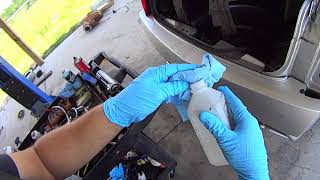
- Separated Body Seams: Some vehicles have been found to have insufficient seam sealer from the factory in the channels around the trunk opening, allowing water to leak directly onto the amplifier's location. 🎬 See another potential trunk leak location and repair remedy
Before replacing a water-damaged amplifier, you must find and fix the source of the leak. Otherwise, the replacement unit will quickly suffer the same fate.
Technical Service Bulletins (TSBs)
While there are no direct recalls for the amplifier itself, General Motors has issued bulletins related to this issue. TSB PIC6102A specifically notes that intermittent or no audio in 2014-2015 CTS models is often caused by water intrusion in the trunk, leading to amplifier failure and setting diagnostic trouble codes like U0186 (Lost Communication With Audio Amplifier) or B1325. Another bulletin, PIE0348, also discusses loss of audio and chimes with similar diagnostic codes.
Buying a Used 2009-2014 CTS Amplifier: What to Know
Buying a used OEM amplifier is the most cost-effective solution, but careful verification is required to ensure you get the right part. Aftermarket direct-fit replacements are not commonly available, as the Bose system is deeply integrated with the vehicle's electronics.
The #1 Rule: Match Your Part Number and RPO Code
There are multiple, incompatible amplifiers for these vehicles. You must verify two key pieces of information:
- RPO Code UQS: This amplifier is for vehicles equipped with the Bose 5.1 Surround Sound system, identified by the Regular Production Option (RPO) code UQS. You can find this code on the silver "Service Parts Identification" sticker, typically located in the trunk, often on the underside of the spare tire cover. If your sticker shows RPO code UQA, you have a different Bose system and this amplifier will not work.
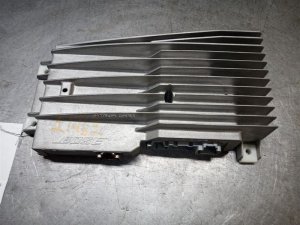
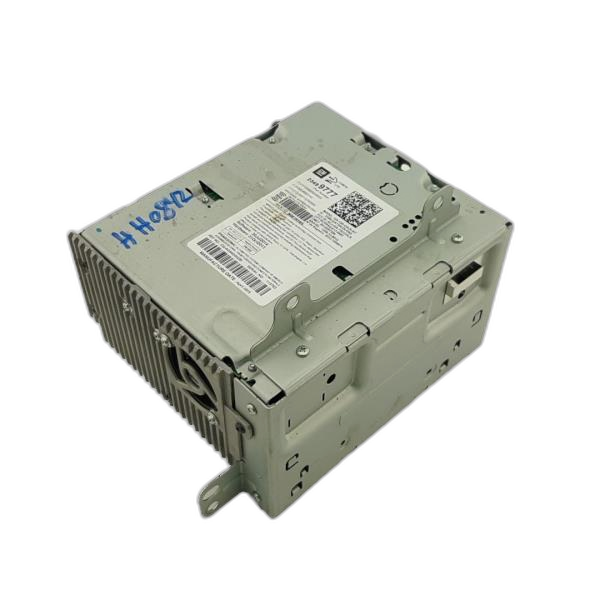
- OEM Part Number: You must match the part number printed on your original amplifier's label exactly. Common part numbers for the UQS amplifier include 20869451, 20915908, 20942618, 25869048, 25921142, and 25982646. Even if an amplifier looks identical, different part numbers contain different software and data streams and are not interchangeable.
Physical Inspection Checklist for a Used Amplifier
When inspecting a used amplifier, look for:
- No Signs of Water Damage: Check the metal casing for any white, chalky residue or rust, which indicates corrosion.
- Clean Connectors: Inspect the electrical connector pins. They should be straight and shiny, with no green or white corrosion.
- Intact Factory Seals: Look for signs that the amplifier case has been opened, which might indicate a failed repair attempt.
Programming and Installation
Does the Amplifier Need to be Programmed?
No. As long as you are replacing your failed amplifier with a used unit that has the exact same OEM part number, no programming, flashing, or dealer visit is required. The system is designed to be plug-and-play when the correct part is used. The integration of chimes and other functions is handled by the amplifier's internal software, which is why matching the part number is so critical.
Replacement Walkthrough
Replacing the amplifier is a straightforward job that is feasible for a DIYer with basic tools.
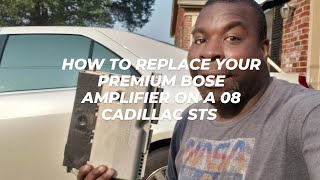
🎬 Watch how to replace a Cadillac Bose amplifier- Disconnect the Battery: Before working on any electronic component, disconnect the negative terminal of the battery located in the trunk.
- Access the Amplifier: The amplifier is located on the driver's side of the trunk, behind the carpeted trim panel. You will need to remove a few plastic clips and retainers to pull the panel back.
- Unbolt the Amplifier: The amplifier is mounted to a bracket. Remove the nuts or bolts holding the bracket to the vehicle's chassis.
- Disconnect and Swap: Carefully unplug the electrical connectors from the old amplifier. Install the replacement amplifier, reconnect the connectors, and bolt it back into place.
- Reassemble and Test: Reinstall the trunk liner and reconnect the battery. Turn on the ignition and test all audio functions, including the radio, chimes, and turn signals.
Replacement Cost Comparison
Prices can vary based on supplier and condition. The lack of new aftermarket options makes used OEM a very attractive value.
| Part Type | Estimated Cost |
|---|---|
| New OEM | $400 - $550+ |
| New Aftermarket | Not Commonly Available |
| Used OEM | $75 - $150 |
| Remanufactured / Repair Service | $100 - $200 |
| Shop Labor Cost | $75 - $160 |
Frequently Asked Questions (FAQ)
Where is the audio amplifier located on a 2009-2014 Cadillac CTS?
The amplifier is located in the trunk, behind the carpeted trim panel on the driver's side.
Do I need to program a replacement CTS amplifier?
No, as long as the replacement amplifier has the exact same part number as the original, it does not require any programming or dealer visit. It is plug-and-play.
Can I upgrade my non-Bose CTS with this Bose amplifier?
No, this is not a simple upgrade. The Bose system uses a different wiring harness, speakers, and head unit integration. Attempting to install a Bose amplifier in a non-Bose car would require extensive and complex modifications.
What is the RPO code UQS and why is it important?
RPO stands for Regular Production Option. UQS signifies that the vehicle was built with the premium Bose 5.1 Surround Sound system. This amplifier is only compatible with vehicles that have the UQS code on their Service Parts Identification sticker, found in the trunk.
My amplifier failed. How do I prevent the new one from breaking?
The most common cause of failure is water damage. Before installing a replacement, thoroughly inspect your trunk for leaks. Check the sunroof drains, trunk lid seal, and body seams for any signs of water entry and repair them first.
Helpful Videos

Technical Specifications
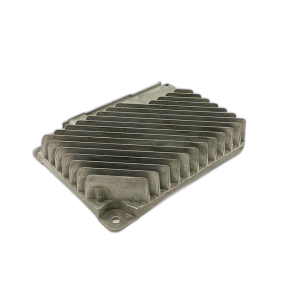
OEM Part Numbers: 20869451 20915908 20942618 25869048 25921142 25982646
Designed for the Bose premium audio system with RPO code UQS (5.1 Surround Sound). Location: Driver's side of trunk, behind trim panel.
We Have This Part in Stock




The information in this article is provided for general reference and educational purposes only. Vehicle specifications, procedures, and part compatibility can vary by production date, trim level, and region. Always consult your vehicle's factory service manual and verify part numbers before purchasing or performing repairs. Safety-critical components such as airbags, seat belts, and braking systems should be installed by a qualified professional.
- Cadillac CTS:
- 🎬 Helpful Videos
- 🛍️ Shop This Part
- Symptoms of a Failing 2009-2014 Cadillac CTS Audio Amplifier
- Known Issues, TSBs, and Common Failure Causes
- The #1 Cause: Water Intrusion
- Technical Service Bulletins (TSBs)
- Buying a Used 2009-2014 CTS Amplifier: What to Know
- The #1 Rule: Match Your Part Number and RPO Code
- Physical Inspection Checklist for a Used Amplifier
- Programming and Installation
- Does the Amplifier Need to be Programmed?
- Replacement Walkthrough
- Replacement Cost Comparison
- Frequently Asked Questions (FAQ)
- 🎟️ Get 5% Off