

2013 Cadillac ATS Bose Amplifier: Solving No-Sound Issues and Programming Headaches
This guide covers the common causes of audio failure in the 2013 Cadillac ATS with the Bose UQS system, from water damage to the critical programming required for replacement.
- This amplifier is ONLY for 2013 ATS models with the Bose 10-Speaker system (option code UQS). Check the SPID label in the trunk before buying.
- Water intrusion into the trunk is the #1 cause of failure. You must find and fix any leaks before installing a replacement amplifier to prevent a repeat failure.
- A replacement amplifier (new or used) MUST be programmed to your car's VIN by a dealer or qualified shop. It is not plug-and-play.
- Having your original amplifier repaired by a mail-in service is a good alternative that avoids the cost and hassle of VIN programming.
Symptoms of a Failing 2013 Cadillac ATS Amplifier
When the Bose amplifier fails, it can cause a range of audio problems. Because it handles all sound generation, a failure often results in complete silence. Here are the most common symptoms:
- Complete Loss of Audio: The most frequent symptom is no sound from any speaker. The CUE screen may appear to function normally—letting you select radio stations or music sources—but no audio is produced.
- No Chimes or Turn Signal Clicks: All audible alerts, including door chimes, seatbelt warnings, and the 'tick-tock' of the turn signals, will be absent.
- Intermittent Sound: The audio may cut in and out randomly while driving. It might work fine on startup and then suddenly go silent, or vice-versa.
- Loud Popping or "Machine Gun" Noise: In some cases, the amplifier fails by sending a loud, rapid popping or static noise through the speakers. This can happen even when the audio system is turned off.
- Diagnostic Trouble Codes (DTCs): A failed or failing amplifier will often store specific trouble codes. The most common are U0186 (Lost Communication With Audio Amplifier) and B1325 with symptom 03 (Audio Amplifier Speaker Circuits).
Known Issues and Technical Service Bulletins (TSBs)
The Primary Culprit: Water Intrusion
The single most common cause of amplifier failure in the 2013 ATS is water damage. General Motors issued Technical Service Bulletin PIC6102A specifically to address this problem. The amplifier is located in the passenger side of the trunk, behind the liner. According to the TSB, water can leak into the trunk, often from a faulty decklid seal, and travel down the wiring harness directly into the amplifier's electrical connector. This causes corrosion and shorts out the delicate internal electronics.
Pro Tip: Before replacing a failed amplifier, it is absolutely essential to find and fix the source of the water leak. If you install a new or used amplifier without addressing the leak, the replacement unit will also fail. Carefully inspect the trunk seal and the area around the amplifier for any signs of moisture, water stains, or rust.
Recalls
There are no active recalls for the audio amplifier on the 2013 Cadillac ATS. A recall known as 13158 (NHTSA ID: 13V220000) exists for this model year, but it relates to reprogramming the Body Control Module (BCM) for a brake light issue and is not related to the audio system.
Diagnosing the Amplifier
- Check the Fuse: Before assuming the amplifier is bad, check the fuse for the audio system. This is located in the rear fuse block in the trunk.
- Perform a Visual Inspection: Pull back the trunk liner on the passenger side to access the amplifier. Look for any signs of water damage, such as corrosion on the connectors, water stains on the housing, or dampness in the surrounding carpet.
- Scan for Codes: Use an OBD-II scanner capable of reading GM-specific body codes. A U0186 code is a strong indicator that the amplifier is not communicating and has likely failed.
- Attempt a System Reset: Sometimes, a software glitch can cause a temporary loss of audio. You can try disconnecting the vehicle's battery for 30-60 minutes to force a hard reset of all modules. If the sound returns, the issue may be software-related, but if it fails again, the amplifier is likely the cause.
Buying a Used 2013 ATS Audio Amplifier
A used OEM amplifier is a cost-effective alternative to an expensive new unit. However, there are critical factors to consider to ensure you get a good part that will work in your vehicle.
Warning: A used amplifier WILL NOT work without being programmed to your car's Vehicle Identification Number (VIN). This is not a plug-and-play part. You must factor the cost of programming into your budget.
- Verify Option Code UQS: This is the most important compatibility check. This amplifier is only for vehicles equipped with the Bose Premium 10-Speaker Surround Sound system, identified by the RPO code UQS on the silver Service Parts Identification (SPID) label in your trunk. An amplifier from a car with the base audio system will not work.
- Inspect for Corrosion: When buying a used amplifier, look closely at the photos of the electrical connector pins. Avoid any unit that shows signs of green or white corrosion, which indicates past water damage.
- Match the Part Number (If Possible): While several part numbers may work, matching your original part number is the safest bet. Known compatible part numbers include 22911307, 22944187, 22958867, 23168055, 23116601, and 23441988.
- Consider a Repair Service: An alternative to buying a used unit is to have your original amplifier repaired. Several mail-in services specialize in rebuilding these modules. The main advantage is that a repaired original unit does not require VIN programming, making it a true plug-and-play solution once you get it back.
Programming Requirements
Any replacement amplifier—new or used—must be programmed to your vehicle. This process, known as SPS (Service Programming System) programming, downloads the correct software and pairs the amplifier's serial number to your car's VIN.
- Why is it required? Programming serves as an anti-theft measure and loads vehicle-specific settings for audio tuning and speaker configuration. Without it, the CUE system will not recognize the amplifier, and you will have no sound.
- Who can do it? A Cadillac dealership is the most common option. Many independent repair shops that specialize in GM vehicles and subscribe to the ACDelco Technical Delivery System (TDS) can also perform programming. This is not a DIY task for the average owner.
- What happens if I don't program it? The amplifier will not produce any sound.
Cost to Replace a 2013 Cadillac ATS Amplifier
Costs can vary based on your location and the parts source you choose. Always get a quote for both parts and labor, including the separate fee for programming.
| Item | Estimated Cost | Notes |
|---|---|---|
| New OEM Amplifier | $500 - $900+ | Purchased from a Cadillac dealership. |
| Used OEM Amplifier | $100 - $200 | Commonly found on sites like eBay. Requires programming. |
| Remanufactured / Repair Service | $150 - $250 | Your original unit is rebuilt. Does not require programming. |
| Shop Labor (Installation) | $100 - $180 | Estimated 1 hour of labor to access and swap the amplifier. |
| Shop Labor (Programming) | $150 - $275 | This is a separate, flat fee charged by dealers or qualified shops. |
Frequently Asked Questions (FAQ)
Does a replacement amplifier for a 2013 ATS have to be programmed?
Yes, absolutely. Any new or used amplifier must be programmed to your vehicle's VIN using GM's Service Programming System (SPS). The only exception is if you have your original amplifier repaired and re-install it, which does not require reprogramming.
Where is the audio amplifier located on a 2013 Cadillac ATS?
The Bose audio amplifier is located in the trunk, behind the trim panel on the right-hand (passenger) side.
Can I use an amplifier from a different Cadillac or GM model?
No, this is not recommended. Even if the plugs match, the internal software and audio tuning are specific to the ATS and its speaker configuration. You must use an amplifier designated for the 2013 ATS with the UQS Bose sound system.
Why did my amplifier fail?
The most common reason for failure is water intrusion into the trunk, which corrodes the amplifier's electronics. Other causes can include internal component failure from heat and age.
Technical Specifications
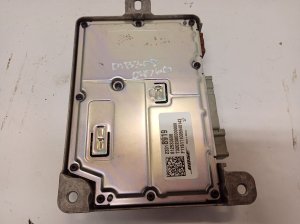
OEM Part Numbers: 22911307 22944187 22958867 23168055 23116601 23441988
For vehicles with Bose Premium 10-Speaker Surround Sound (Option Code UQS).
We Have This Part in Stock





The information in this article is provided for general reference and educational purposes only. Vehicle specifications, procedures, and part compatibility can vary by production date, trim level, and region. Always consult your vehicle's factory service manual and verify part numbers before purchasing or performing repairs. Safety-critical components such as airbags, seat belts, and braking systems should be installed by a qualified professional.
- Cadillac ATS:
- 🛍️ Shop This Part
- Symptoms of a Failing 2013 Cadillac ATS Amplifier
- Known Issues and Technical Service Bulletins (TSBs)
- The Primary Culprit: Water Intrusion
- Recalls
- Diagnosing the Amplifier
- Buying a Used 2013 ATS Audio Amplifier
- Programming Requirements
- Cost to Replace a 2013 Cadillac ATS Amplifier
- Frequently Asked Questions (FAQ)
- 🎟️ Get 5% Off