

2006-2009 LaCrosse & Allure Monsoon Amplifier: Fixing Radio-On, No-Sound Issues
A complete guide to diagnosing and replacing the premium audio amplifier in your 2006-2009 Buick LaCrosse or Buick Allure, especially when the radio display works but no sound comes out.
- This amplifier is for the premium Monsoon sound system only (RPO code U87).
- The most common symptom of failure is the radio display working with no sound from the speakers.
- Failure is often caused by water leaking into the trunk and corroding the amplifier. Always check for and repair leaks.
- A replacement amplifier does NOT typically require dealer programming; it should be a plug-and-play repair.
Symptoms of a Failing Amplifier
When the Monsoon amplifier in a Buick LaCrosse or Allure begins to fail, the signs are usually very distinct. Because this single component powers all the speakers and vehicle chimes, its failure can cause a sudden and total loss of audio.
- Radio Works, But No Sound: This is the most common and definitive symptom. The radio display in the dash will turn on, you can change stations, and everything appears to be working correctly, but there is complete silence from all speakers.
- No Vehicle Chimes or Turn Signal Clicks: The audible 'click-clack' of the turn signals and other system alerts are played through the car's speakers. If the amplifier is dead, these sounds will disappear along with the music.
- Intermittent Sound: The audio may cut in and out, sometimes triggered by bumps in the road or temperature changes. This often points to failing internal components or a loose connection.
- Popping, Crackling, or Static: Loud pops when turning the car on or off, or persistent static and crackling from the speakers, can indicate a problem with the amplifier's internal circuitry.
- Distorted or Weak Audio: If the sound is fuzzy, distorted, or very quiet even at high volume settings, the amplifier may be failing to provide adequate power to the speakers.
Is It Really the Amp? Diagnosis Steps
Before buying a replacement part, it's wise to confirm the amplifier is the true culprit. The "radio on, no sound" symptom is a strong indicator, but here are a few steps to be certain.
- Check the Fuse: First, check the fuse for the audio amplifier. A blown fuse will cause a total loss of sound. Consult your owner's manual for the location of the fuse box and the specific fuse for the amplifier (often labeled AMP, RADIO, or with a musical note symbol).
- Confirm Radio Power: If the radio display lights up, changes stations, and responds to controls, the head unit itself is likely working. The problem lies between the head unit and the speakers.
- Inspect for Water Intrusion: This is the number one cause of failure for these amplifiers. The amp is located in the trunk, mounted to the underside of the rear package shelf (the panel behind the rear seats). Pull back the trunk liner on the driver's side and inspect the amplifier and its wiring harness for any signs of moisture, rust, or a white/green chalky corrosion. Even if it's dry now, look for water stains on the trunk liner or shelf above the amp. TSBs for similar GM vehicles point to water leaks from sunroof drains, trunk seals, or the rear window seal as a common cause of damage to trunk-mounted electronics.
Warning: If you find evidence of water, you MUST fix the leak before installing a new amplifier. Failure to do so will cause the replacement part to fail as well.
Buying a Used Audio Amplifier
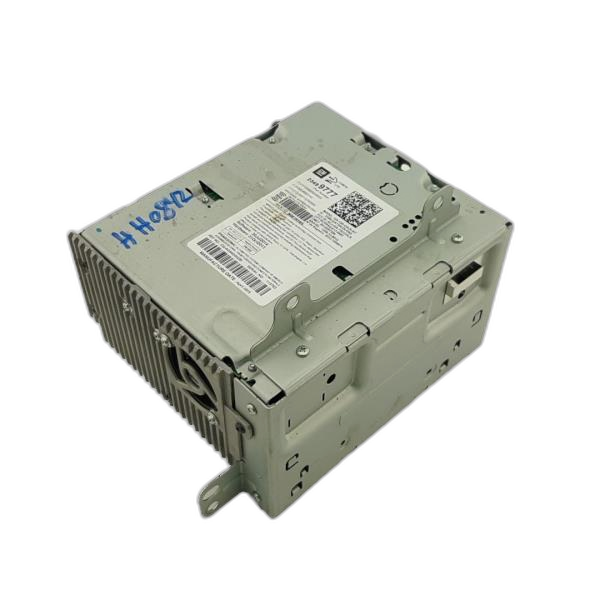
For this specific part, a used OEM amplifier is often the best and most cost-effective solution. New OEM units are expensive, and direct-fit aftermarket alternatives are not available.
- Why Used OEM is a Good Choice: A used amplifier from a reputable recycler is a genuine GM part that ensures perfect compatibility with the Monsoon system's wiring and speaker impedance. It's a plug-and-play solution that avoids the complexities of trying to integrate aftermarket components with the factory head unit.
- Physical Inspection is Key: When buying used, the most important thing is to inspect the electrical connector port. Do not buy an amplifier if the pins in the connector are green, white, or look corroded. This is a clear sign of water damage, and the part is likely bad or will fail soon. The outer casing should also be free of dents or signs of being pried open.
- Verify the Part Number: While several part numbers were used for this amplifier, they are generally interchangeable for this application. Known part numbers include 10362731, 15829428, and 15835873. The later numbers supersede the earlier ones. Matching to your original part number is a good practice, but any of these should work.
- Ask the Seller: Purchase from sellers who guarantee the part was tested and is in working condition. A part pulled from a vehicle with low to moderate mileage that was not involved in a rear-end collision is ideal.
Compatibility: Monsoon System Only
This amplifier is ONLY for vehicles equipped with the 9-speaker premium Monsoon sound system. It will not work as an upgrade for the standard base audio system, as the wiring and speakers are completely different.
How to confirm you have the Monsoon system:
- Look for the "Monsoon" brand name printed on the door speaker grilles or on the face of the radio.
- Check the Service Parts Identification (RPO) code sticker. This sticker is typically located in the glove box or on the spare tire cover in the trunk. Look for the code U87, which designates the premium audio system.
Programming and Installation
Pro Tip: Unlike the radio head unit, which is often electronically locked to the vehicle's VIN, the amplifier itself typically does not require any special programming. A replacement amplifier should restore sound immediately upon being plugged in.
The amplifier is located in the trunk, mounted to the underside of the rear deck, usually on the driver's side. Replacement is straightforward but may require some interior disassembly.
- Disconnect the negative battery terminal.
- Access the trunk and pull back the liner to expose the amplifier.
- In some cases, you may need to remove the rear seat back to easily access the mounting bolts on the top side of the package shelf.
- Disconnect the electrical harness from the amplifier.
- Unbolt the amplifier from its bracket or the package shelf. It is typically held by a few 10mm bolts.
- Installation is the reverse of removal. Ensure the electrical connector clicks securely into place.
Cost Breakdown
The cost to fix this issue can vary significantly depending on the path you choose.
| Part Type | Estimated Cost | Notes |
|---|---|---|
| New OEM | $300 - $550 | Guaranteed new part, but very expensive. |
| Used OEM | $50 - $150 | Most popular and cost-effective option. Inspect for corrosion before buying. |
| Remanufactured | $100 - $250 | Your original unit is repaired. This can be a good option if you can't find a good used one, but requires downtime. |
| Shop Labor | $100 - $200 | Installation typically takes 1-1.5 hours. Diagnosis and fixing a water leak would be additional. |
Frequently Asked Questions
Does a replacement amplifier need to be programmed by a dealer?
No, for the 2006-2009 LaCrosse and Allure, the amplifier itself is generally considered a plug-and-play part. It is not tied to the vehicle's VIN like the radio head unit is. You should not need a trip to the dealer for programming after swapping the amplifier.
Where is the amplifier located in my 2008 Buick LaCrosse?
The amplifier is located in the trunk. It is mounted to the bottom of the rear package shelf (the panel below the rear window), typically on the driver's side. You will need to pull back the trunk liner to see it.
My radio turns on but there's no sound. Is it always the amplifier?
While a failed amplifier is the most likely cause for this specific symptom, it's not the only possibility. You should always check the amplifier's fuse first. In rare cases, a wiring issue could be to blame, but the amplifier itself is the common point of failure, especially if there is any history of moisture in the trunk.
Can I use an amplifier from a junkyard?
Yes, a used amplifier from a salvage or 'junkyard' vehicle is a very common and effective repair. However, it is critical that you inspect the part thoroughly for any signs of corrosion on the electrical connector pins before purchasing. Ask for a warranty if possible.
Technical Specifications
OEM Part Numbers: 10362731 15829428 15835873
For vehicles with the 9-speaker Monsoon premium audio system (RPO Code: U87).
We Have This Part in Stock



The information in this article is provided for general reference and educational purposes only. Vehicle specifications, procedures, and part compatibility can vary by production date, trim level, and region. Always consult your vehicle's factory service manual and verify part numbers before purchasing or performing repairs. Safety-critical components such as airbags, seat belts, and braking systems should be installed by a qualified professional.
- Buick LaCrosse:
- Buick Allure: