

2010-2017 Buick Enclave Bose Amplifier: Why Water Leaks Cause Sound Failure and Require Programming
This in-depth guide covers the common water damage failures, symptoms, replacement costs, and mandatory programming for the Bose audio amplifier in the 2010-2017 Buick Enclave.
- This amplifier is ONLY for 2010-2017 Enclaves with the Bose premium sound system. It will not work in a standard system.
- The most common cause of failure is water leaking from sunroof drains or the windshield onto the amplifier, which is located under the driver's side dash.
- A replacement amplifier (new or used) MUST be programmed to your vehicle's VIN by a dealer or qualified shop to function. It is not a plug-and-play part.
- Symptoms of failure include a total loss of sound, including radio, chimes, and turn signal clicks, sometimes preceded by loud popping noises.
Is This The Right Amplifier For My Enclave?
This audio amplifier is ONLY for 2010-2017 Buick Enclave models equipped with the optional Bose premium sound system. You can typically identify a Bose system by looking for the Bose logo on the speaker grilles or on the face of the factory radio. The base model Enclave uses a different, 6-speaker audio setup where amplification is handled by the radio head unit itself and does not use this external amplifier. Attempting to install this Bose amplifier in a non-Bose vehicle will not work due to differences in wiring, speaker impedance, and system programming.
Symptoms of a Failing Audio Amplifier
A failing amplifier in the Buick Enclave typically does not happen gradually. Due to the common failure mode (see Known Issues below), the symptoms are often sudden and complete.
- Complete Loss of All Audio: This is the most common symptom. The radio and navigation screen may appear to function normally, but there is no sound from any speaker.
- No Turn Signal or Chime Sounds: All vehicle sounds that play through the speakers, including the turn signal 'tick-tock', door chimes, and backup sensor alerts, will be gone.
- Loud Popping or Static: In some cases, a loud, jarring pop, crackle, or static noise may come from the speakers right before the unit fails completely. This can happen even when the radio is off.
- Intermittent Sound Failure: Especially in the early stages of water intrusion, the sound may cut out when it rains and return a few days later after the unit has had time to dry.
- Diagnostic Trouble Codes (DTCs): A professional scan tool may find network communication codes stored in the vehicle, such as U0186 (Lost Communication With Audio Amplifier), indicating the radio can no longer communicate with the failed amplifier module.
Known Issues: Water Intrusion is the Primary Killer
The overwhelming cause of amplifier failure in the first-generation Buick Enclave and its platform mates (GMC Acadia, Chevrolet Traverse) is water damage.
The amplifier is located in a vulnerable position under the driver's side of the dashboard, directly above the emergency brake pedal area. Water from a clogged sunroof drain, a leaking windshield seal, or a damaged cowl can drip down directly onto the amplifier's casing and electrical connectors. Owners have reported pulling the connectors off the amplifier and having water literally pour out.
Once moisture gets inside the connectors or the unit itself, it causes corrosion on the circuit board and pins, leading to short circuits and permanent failure. Simply replacing the amplifier without addressing the source of the water leak will result in the new unit failing again.
Pro Tip: Before installing a replacement amplifier, it is critical to find and fix the water leak. After confirming the leak is repaired, some owners apply dielectric grease to the electrical connector pins and wrap the top of the connectors with high-quality electrical tape or duct tape as an added layer of protection against any future moisture.
CRITICAL: Amplifier Programming is Required
This is not a plug-and-play part. A replacement audio amplifier, whether new or used, must be programmed to your vehicle's Vehicle Identification Number (VIN) to function. The amplifier is a networked computer module that communicates with the radio and other vehicle systems. The programming process configures the amplifier for the specific options in your Enclave and enables the proper audio equalization and sound processing features.
Without programming, the amplifier will not work, and you will still have no sound after installation.
Who Can Program the Amplifier?
- GM Dealerships: Any Buick or GM dealer can perform the programming using their proprietary Service Programming System (SPS) software. This is the most reliable but often most expensive option.
- Qualified Independent Shops: Many independent auto repair shops that specialize in electronics have the necessary J2534 pass-thru tools and a subscription to GM's online programming service (ACDelco TDS). They can perform the same programming as a dealer, often at a lower cost.
- DIY is Not Recommended: The cost of the required tools (GM MDI 2 interface) and the per-VIN software subscription ($40+) makes DIY programming impractical for a one-time repair.
Buying a Used Audio Amplifier: What to Look For
A used OEM amplifier is a cost-effective and reliable alternative to a new part, provided you inspect it carefully. Since water damage is the main cause of failure, physical inspection is key.
- Verify the Part Number: You MUST match the part number exactly. The most common part number is 25994309. Other known numbers include 20860242, and 25994310. Even if an amplifier looks identical, a different part number may have different internal software, and it will not work.
- Inspect the Connectors: Look closely at all the metal pins inside the electrical connector ports. They should be clean, straight, and shiny. Any signs of white, green, or blue crusty residue (corrosion) or bent pins are major red flags. Do not buy a part with any visible corrosion.
- Examine the Casing: Check the aluminum case for water stains, white chalky oxidation, or signs that it has been submerged.
- Source Matters: Ask the seller if the part came from a vehicle with known water damage or from a flood car. Reputable sellers will disclose this information. Mileage is not a factor for an electronic part like this; its exposure to moisture is what matters.
Replacement Overview
Replacing the amplifier is considered moderately difficult due to its location, not its complexity.
- Location: Under the driver's side dashboard, mounted to a plastic bracket above and to the left of the pedals.
- Process: The lower dash knee bolster panel must be removed for access. The amplifier is held in by three 7mm or 8mm bolts. The top bolt is notoriously difficult to see and reach; mechanics often use small finger ratchets or flexible extensions to remove it. After removing the bolts, the amplifier can be lowered to unplug the three large electrical connectors.
- Time: A professional technician can typically swap the unit in about 1 to 1.5 hours. A DIYer should budget 2-3 hours due to the awkward access.
Cost of Replacement
The total cost is a combination of the part, labor to install it, and the separate fee for programming.
| Part or Service | Estimated Cost | Notes |
|---|---|---|
| New OEM Amplifier | $400 - $735 | Price varies between online dealers ($400-$450) and local dealership MSRP ($733). |
| Remanufactured OEM Amplifier | $200 - $300 | A rebuilt original part. A good value, but check the warranty. |
| Used OEM Amplifier | $75 - $200 | Widely available from online sellers and salvage yards. Inspect carefully for corrosion. |
| Shop Labor (Installation) | $150 - $250 | Based on 1-1.5 hours at typical shop rates. |
| Shop Labor (Programming) | $125 - $300 | A separate charge from a dealer or independent shop to program the new/used module to the car. |
| Total Dealer Replacement | $900 - $1300+ | Includes new OEM part at MSRP and dealer labor rates for installation and programming. |
| Total Independent Shop (Used Part) | $350 - $750 | Includes a used part, installation, and programming. This is often the most common repair route. |
Frequently Asked Questions (FAQ)
Can I install the amplifier myself and drive to the dealer for programming?
Yes. You can physically install the replacement amplifier yourself to save on labor costs. However, the vehicle will have no sound until it is programmed. It is perfectly safe to drive the vehicle in this state to a dealership or qualified shop for the final programming step.
Will a used amplifier work?
Yes, a used amplifier with the exact same part number will work, but it absolutely must be reprogrammed for your vehicle's VIN after installation. Be sure to inspect any used part for signs of water damage or corrosion on the electrical pins before purchasing.
Why did my turn signal clicks and door chimes stop working?
In the Buick Enclave, these sounds are not made by a mechanical flasher or a separate buzzer. They are audio files generated by the radio and played through the car's speakers via the amplifier. When the amplifier fails, the speakers cannot produce any sound, so these warning chimes and clicks go silent along with the music.
Can I bypass the Bose amplifier and install a standard aftermarket amp?
While technically possible, it is a very complex and expensive job. The Bose system uses specific speaker impedances and a networked digital signal that is not compatible with standard aftermarket amplifiers. Bypassing it would require replacing the head unit, running all new wiring to the speakers, and potentially replacing all the speakers as well. For most owners, replacing the failed OEM amplifier is the far more practical and cost-effective solution.
Technical Specifications
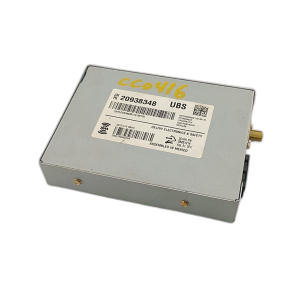
OEM Part Numbers: 25994309 20860242 25994310 25811051 25796753
For Bose Premium Sound System (Option codes UQA or UQS). Requires programming via GM SPS (Service Programming System).
We Have This Part in Stock




The information in this article is provided for general reference and educational purposes only. Vehicle specifications, procedures, and part compatibility can vary by production date, trim level, and region. Always consult your vehicle's factory service manual and verify part numbers before purchasing or performing repairs. Safety-critical components such as airbags, seat belts, and braking systems should be installed by a qualified professional.
- Buick Enclave:
- 🛍️ Shop This Part
- Is This The Right Amplifier For My Enclave?
- Symptoms of a Failing Audio Amplifier
- Known Issues: Water Intrusion is the Primary Killer
- CRITICAL: Amplifier Programming is Required
- Who Can Program the Amplifier?
- Buying a Used Audio Amplifier: What to Look For
- Replacement Overview
- Cost of Replacement
- Frequently Asked Questions (FAQ)
- 🎟️ Get 5% Off