

2014-2019 BMW X5 & X6 Bang & Olufsen Amplifier: Solving No-Sound Issues
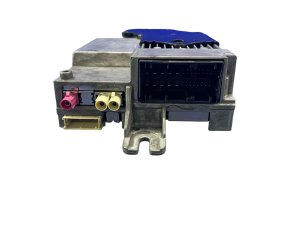
This guide covers the common failures, diagnosis, and replacement of the exclusive Bang & Olufsen amplifier in the 2014-2018 BMW X5 and 2015-2019 BMW X6.
- This amplifier is ONLY for the Bang & Olufsen (S6F2A) system in the F15 X5 and F16 X6; it is not interchangeable with HiFi or Harman Kardon amps.
- The most common cause of failure is water damage due to its location in the left rear of the trunk. Always check for and repair water leaks.
- A 'no sound' issue can also be caused by a blown fuse on the power distribution block located on the battery, which may require replacing the entire block.
- A replacement amplifier, new or used, MUST be programmed to the vehicle's VIN by a dealer or qualified independent shop using ISTA/P software.
Critical Compatibility Warning

For Bang & Olufsen Systems Only: This amplifier is exclusively for vehicles equipped with the optional Bang & Olufsen High End Sound System (option code S6F2A). It is NOT compatible with the standard HiFi (S676A) or the Harman Kardon (S688A) audio systems. The connectors and programming are completely different. Always verify your vehicle's original sound system before purchasing a replacement amplifier.
Symptoms of a Failing B&O Amplifier
A problem with the B&O amplifier in your BMW X5 or X6 will usually be obvious. Because it's a critical component on the car's fiber-optic MOST bus, a failure breaks the entire audio communication loop.
- Complete Loss of Sound: The most common symptom is a total absence of audio. This includes the radio, music from any source (CD, USB, Bluetooth), navigation voice prompts, and all system chimes (like seatbelt warnings or parking sensor beeps).
- Intermittent Audio: The sound may cut in and out randomly. Sometimes, letting the vehicle sit locked for 30 minutes or more can temporarily restore function as the modules fully shut down and restart.
- Head Unit Appears Normal: Often, the iDrive screen will continue to display radio stations or song information as if everything is working, but no sound is produced.
- Popping or Crackling Noises: Loud, unpleasant noises from the speakers can occur, sometimes preceding a total failure.
- No Response to Head Unit Reset: In some cases, a failed amplifier can disrupt the MOST network to the point where the head unit will not respond to a manual reset (holding the volume/power knob down).
Known Issues and Diagnosis

Diagnosing a no-sound condition requires checking a few key areas before condemning the amplifier itself.
1. Water Damage
The number one killer of these amplifiers is water intrusion. The amp is located in the rear left corner of the trunk, under the floor trim. This area is vulnerable to water from clogged sunroof drains or failing tailgate seals. Over time, moisture wicks into the amplifier's unsealed casing, causing corrosion and short circuits on the complex internal circuit board. If you experience sudden audio failure after heavy rain or a car wash, water damage is the most likely suspect.
2. Blown Power Distribution Fuse
A common and often overlooked issue is a blown fuse in the rear power distribution panel. This is a red plastic block mounted directly on top of the battery in the right rear of the trunk. The amplifier is powered by a high-amperage fuse within this block (owners report a 50A fuse). If the amplifier fails and shorts internally, it can blow this fuse.
Important: This fuse is often integral to the power distribution block and cannot be replaced separately. If you find no power at the amplifier's main connector, you must test for continuity through this block. If the fuse is blown, the entire distribution panel must be replaced along with the faulty amplifier that caused it to blow.
3. MOST Network Fault
The "no sound" symptom means the fiber-optic loop is broken. While the amplifier is a common culprit, any other module on that loop (like the telematics/Bluetooth unit) could also be the cause. A professional diagnosis involves using a MOST bypass loop to systematically isolate each module. A simpler DIY check is to unplug the fiber optic connector at the amplifier and look for a flashing red light from the cable end. If a red light is present, the network is intact up to that point. If there is no light, the problem lies with a different module 'upstream' in the network.
Diagnostic Steps for DIYers
- Check for Water: Pull up the left side trunk trim and inspect the amplifier and the surrounding area for any signs of moisture, dampness, or corrosion.
- Check Power: Using a multimeter, check for 12V power at the amplifier's main power harness. If there is no power, inspect the power distribution block on the battery.
- Check Fuses: Check the conventional fuses in the rear fuse panel (right side of trunk), specifically any labeled for 'Multimedia', 'Radio', or 'Amplifier'.
- Check Fiber Optic Signal: Disconnect the MOST fiber optic connector at the amplifier. With the ignition on, you should see a red light blinking from one of the two cable ports.
Buying a Used Bang & Olufsen Amplifier
Given that a new B&O amplifier from a BMW dealer can cost over $1,800 and may have long backorder times, a quality used OEM unit is a smart choice. However, you must be careful when buying.
- Verify the Part Number and System: Double-check that you are buying an amplifier for the Bang & Olufsen (S6F2A) system. Part numbers like 65129351083, 65129367994, and 65126808527 are common for this application. An amplifier from a standard HiFi or Harman Kardon car will not work.
- Inspect Photos for Corrosion: Carefully examine photos of the unit for any white, chalky residue or rust on the aluminum casing or around the connectors. This is a clear sign of water damage, and the unit should be avoided.
- Buy from Reputable Sellers: Purchase from an auto recycler that offers a warranty and a return policy. This protects you if the part is dead on arrival, which is a risk with used electronics.
- Factor in Programming Costs: Remember that a used amplifier is not plug-and-play. It MUST be programmed to your vehicle's VIN, which will be an additional cost.
Programming and Installation

Pro Tip: A replacement B&O amplifier—whether new or used—must be programmed and coded to the vehicle. This process syncs the amplifier with your car's specific features and VIN. This is typically done using BMW's ISTA/P software. This is not an optional step; without programming, the amplifier will not work correctly, if at all.
While some advanced DIYers with the correct software (ISTA/P), an ICOM interface, and a high-amperage power supply can perform the programming, most owners will need to have this done by a BMW dealer or a qualified independent specialist.
Replacement Location
The amplifier is located in the left side of the trunk area, underneath the removable floor panel and behind the side trim. To access it, you will need to remove the trunk floor, the loading sill plate, and several plastic fasteners to pull back the left-side carpeted trim panel. The amplifier is typically held in a bracket by a few bolts.
Cost Comparison
| Part Source | Estimated Cost |
|---|---|
| New OEM (Dealer) | $1,800 - $2,500+ |
| New Aftermarket | Not Available (System-specific) |
| Used OEM (Recycled) | $400 - $800 |
| Shop Labor (Installation & Programming) | $250 - $500 |
Frequently Asked Questions
Do I have to take my car to the dealer to get a used amplifier programmed?
Not necessarily. While a BMW dealer can always perform the programming, many independent shops that specialize in BMWs have the necessary ISTA/P software and equipment to code a new or used amplifier to your vehicle. It is best to call ahead and confirm they can program used modules.
Can I upgrade my standard HiFi or Harman Kardon system with this B&O amplifier?
No, this is not a simple swap. The Bang & Olufsen system uses different speakers, wiring harnesses, and a different power supply connection. Retrofitting the entire system is a massive and expensive undertaking that requires extensive rewiring of the vehicle.
My sound is gone, but I don't see any water. Could the amp still be bad?
Yes. While water is the most common cause, the amplifier can also fail due to internal electronic issues like a power supply short or processor fault. It's also possible another module on the fiber optic MOST loop has failed, causing the same symptom. A full diagnostic scan with BMW-specific software is the best way to confirm the fault location.
Why did my audio stop working after the battery was replaced?
Sometimes, voltage spikes during battery replacement can damage sensitive electronics. However, it's more likely that the main fuse on the power distribution block on top of the battery was disturbed or failed. Ensure that all connections on this block are secure and test for power to the amplifier.
Technical Specifications
OEM Part Numbers: 65126801344 65126808527 65129320137 65129326468 65129350241 65129351083 65129367994 65129801344
System: Bang & Olufsen High End Sound System (S6F2A) Power Output: 1,200 Watts Speakers: 16 active speakers Communication Protocol: MOST (Media Oriented Systems Transport) fiber optic bus
We Have This Part in Stock




The information in this article is provided for general reference and educational purposes only. Vehicle specifications, procedures, and part compatibility can vary by production date, trim level, and region. Always consult your vehicle's factory service manual and verify part numbers before purchasing or performing repairs. Safety-critical components such as airbags, seat belts, and braking systems should be installed by a qualified professional.
- BMW X5:
- BMW X6:
- 🛍️ Shop This Part
- Critical Compatibility Warning
- Symptoms of a Failing B&O Amplifier
- Known Issues and Diagnosis
- 1. Water Damage
- 2. Blown Power Distribution Fuse
- 3. MOST Network Fault
- Diagnostic Steps for DIYers
- Buying a Used Bang & Olufsen Amplifier
- Programming and Installation
- Replacement Location
- Cost Comparison
- Frequently Asked Questions
- 🎟️ Get 5% Off