

2022-2026 BMW i4 Bowers & Wilkins Amplifier: Failure, Programming, and Replacement Guide
This guide covers the essential details for diagnosing, replacing, and programming the premium Bowers & Wilkins audio amplifier in your BMW i4.
- This amplifier (part 5A4EEC301) is exclusively for 2022-2026 BMW i4 models with the premium Bowers & Wilkins sound system; it is not compatible with other audio tiers.
- A replacement amplifier, whether new or used, MUST be professionally programmed to the vehicle's VIN using BMW-specific software like ISTA/P to function.
- Common failure symptoms include a complete loss of all audio (including system chimes), intermittent sound, and loud popping or crackling from the speakers.
- Before buying a used unit, physically inspect it for any signs of water damage (corrosion) and confirm the part number matches exactly.
Understanding the Bowers & Wilkins Amplifier in Your BMW i4
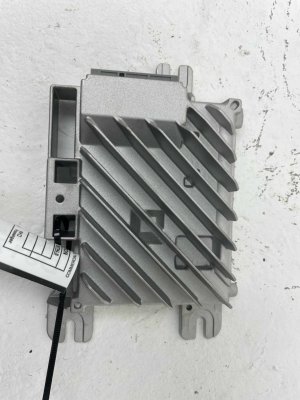
The audio amplifier for the 2022-2026 BMW i4 is not a one-size-fits-all part. The specific amplifier detailed here, OEM part number 5A4EEC301, is exclusively for vehicles equipped with the optional Bowers & Wilkins Diamond Surround Sound system. It is not compatible with the standard Hi-Fi (S676A) or the Harman Kardon (S688A) systems, which use different amplifiers and system architectures. This amplifier, often referred to as the RAM (Receiver Audio Module) or Booster, is located in the left side of the trunk area, behind the trim panel.
Compatibility Warning: This amplifier is ONLY for i4 models factory-equipped with the Bowers & Wilkins sound system. Before purchasing a replacement, you must verify your vehicle's original audio package. Installing this amplifier in a car with a standard or Harman Kardon system will not work.
Symptoms of a Failing Amplifier
When the B&W amplifier begins to fail, you may experience a range of audio problems. Because it controls all sound output, a failure can be quite noticeable. Common symptoms include:
- Complete Loss of Sound: The most common symptom is a total absence of audio. This includes music, navigation voice prompts, telephone calls, and even system chimes like turn signal clicks and parking sensor alerts.
- Intermittent Audio: The sound may cut in and out randomly. In some cases, the audio may return to normal after the vehicle has been turned off and left to sit for several hours.
- Popping or Crackling Noises: Loud, unpleasant popping or crackling sounds from the speakers, even at low volumes, can indicate an internal failure in the amplifier.
- Distorted Sound: Audio may sound distorted or fuzzy, especially as the volume is increased.
- No Bass or Erratic Subwoofer: The channels powering the subwoofers may fail, resulting in a complete lack of low-frequency response.
It's worth noting that some audio issues, like distortion, have occasionally been traced to speaker panel vibrations or improperly seated foam gaskets on the speakers themselves, rather than the amplifier. Additionally, issues like intermittent audio could also stem from loose wiring connections.
Known Issues, Recalls, and Technical Service Bulletins (TSBs)
While there are no specific recalls for the Bowers & Wilkins amplifier itself, BMW has issued related TSBs and a recall for a different sound-related component.
- TSB SIB651022 / B651623: BMW acknowledged issues where the sound output intermittently or completely drops out for all audio sources. This TSB directly addresses the symptoms of a failing amplifier module.
- Recall 23V-026 (External Sound Generator): A recall was issued for some 2022-2023 i4 models because the external pedestrian warning sound generator could fail. This is a separate system from the interior audio amplifier and is related to safety regulations for electric vehicles. The fix involves a software update performed by a dealer.
- Speaker Panel Distortion: On the related BMW iX platform, some owners with B&W systems reported distortion that was ultimately traced to the physical speaker grilles and foam tape, not the amplifier. Removing the foam tape on the back of the door panel speaker grilles resolved the issue. This could be a useful diagnostic step if your primary symptom is distortion.
Pro Tip: Before assuming the amplifier is bad, check the simple things first. Check the audio system fuses and inspect the amplifier's location in the trunk for any signs of water intrusion, which is a common cause of failure for trunk-mounted electronics.
Programming and Installation: A Dealer Visit is Required
This is the most critical information for anyone replacing this amplifier. A replacement amplifier, whether it is brand new or a used unit, cannot be simply swapped into the vehicle. It must be professionally programmed and coded to your car's specific Vehicle Order (VO) and VIN.
Modern BMWs use a form of "Component Protection" on major electronic modules to prevent theft. The amplifier is linked to the car's identity. When a new or used amplifier is installed, it will not function until it is coded using specialized software.
- Dealer Programming: A BMW dealership is the most straightforward option. They use the official ISTA/P software to integrate the new module into the vehicle's systems.
- Independent Specialist: Some independent repair shops that specialize in BMWs may have the same ISTA/P software or advanced aftermarket tools (like Autologic or Launch) capable of performing the programming.
- DIY Not Recommended: While tools like E-Sys exist for advanced DIY coders, programming a replacement MOST component is complex and carries the risk of disabling other vehicle systems if done incorrectly. For this specific part, professional programming is strongly advised.
Buying a Used BMW i4 B&W Amplifier: What to Look For
Given the high cost of a new OEM amplifier, a used unit from a reputable recycler is an excellent value. However, you must be diligent to ensure you get the right part in good condition.
- Verify the Part Number: The most important step is to match the part number exactly. For the B&W system, you are looking for part number 5A4EEC301. An amplifier from a Harman Kardon or base system will not work.
- Confirm Vehicle Options: Double-check that the donor vehicle was equipped with the Bowers & Wilkins sound system. Do not trust a listing that says it fits all i4 models.
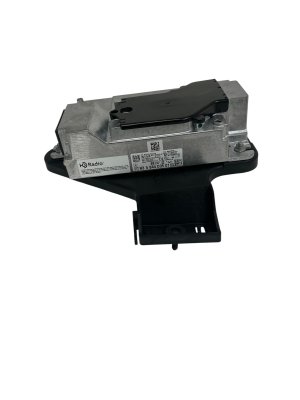
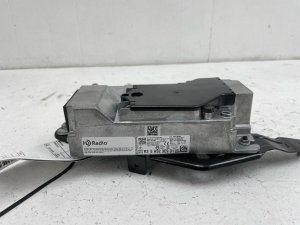
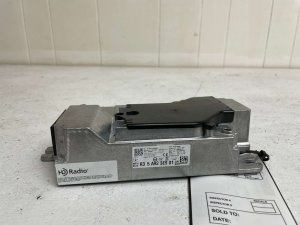
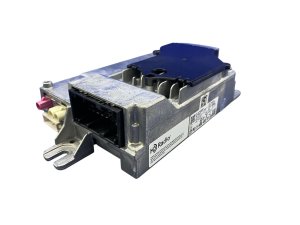
- Physical Inspection: When you receive the part, inspect it carefully. Look for any signs of corrosion on the casing or pins of the electrical connectors. White, chalky residue is a clear sign of past water damage, and the unit should be rejected. Ensure the housing is not cracked or damaged.
- Budget for Programming: Remember that the cost of the part is not the final cost. You must factor in the expense of having the unit professionally programmed to your vehicle. Call local dealers or BMW specialists beforehand to get a quote for this service.
- Why Used OEM is the Best Choice: There are no direct-fit aftermarket amplifiers for the B&W system. The integration with the fiber optic network is proprietary. Aftermarket upgrades are possible but are extremely complex, expensive, and require a complete system overhaul, not a simple part swap. A used OEM amplifier is the only cost-effective solution for a direct replacement.
Replacement Cost Comparison
The cost to replace a failed B&W amplifier can vary significantly based on the part source and labor rates.
| Item | Estimated Cost |
|---|---|
| New OEM Amplifier | $1,800 - $2,500 |
| Used OEM Amplifier | $400 - $800 |
| Shop Labor (Physical Swap) | $150 - $300 (1-2 hours) |
| Shop Labor (Programming) | $150 - $350 (1-1.5 hours) |
| Total Estimated Cost (Used) | $700 - $1,450 |
| Total Estimated Cost (New) | $2,100 - $3,150 |
Prices are estimates and may vary based on location, supplier, and vehicle condition.
Frequently Asked Questions (FAQ)
Can I upgrade my standard Hi-Fi or Harman Kardon system to Bowers & Wilkins using this amplifier?
No, this is not a simple plug-and-play upgrade. The Bowers & Wilkins system uses a different wiring harness, many more speakers of a different type, and different software integration. A retrofit would be incredibly complex and cost-prohibitive.
Does a used amplifier need to be programmed?
Yes, absolutely. Any replacement amplifier, new or used, must be programmed to your car's VIN and specific configuration by a professional with the correct BMW software (ISTA/P). The car will not recognize the amplifier until this is done.
Can an independent mechanic program the new amplifier?
Only if they are a BMW specialist with the proper, up-to-date diagnostic and programming tools. A general mechanic shop will not have the required software. Always confirm with the shop beforehand that they have the capability to program BMW MOST bus components.
Where is the amplifier located in the 2022-2026 BMW i4?
The amplifier module is located in the trunk, on the driver's side, behind the removable trim panel.
Technical Specifications
| Specification | Value |
|---|---|
| Vehicle Fitment | 2022-2026 BMW i4 (G26) |
| Required Audio System | Bowers & Wilkins Diamond Surround Sound |
| Verified OEM Part Number | 5A4EEC301 |
| Location | Left (Driver's) Side of Trunk, Behind Trim |
| Network | Fiber Optic (MOST Bus) |
Technical Specifications
OEM Part Numbers: 5A4EEC301
Multi-channel Digital Signal Processing (DSP) Amplifier for Bowers & Wilkins system, integrates with MOST fiber optic network.
We Have This Part in Stock


The information in this article is provided for general reference and educational purposes only. Vehicle specifications, procedures, and part compatibility can vary by production date, trim level, and region. Always consult your vehicle's factory service manual and verify part numbers before purchasing or performing repairs. Safety-critical components such as airbags, seat belts, and braking systems should be installed by a qualified professional.
- BMW i4:
- 🛍️ Shop This Part
- Understanding the Bowers & Wilkins Amplifier in Your BMW i4
- Symptoms of a Failing Amplifier
- Known Issues, Recalls, and Technical Service Bulletins (TSBs)
- Programming and Installation: A Dealer Visit is Required
- Buying a Used BMW i4 B&W Amplifier: What to Look For
- Replacement Cost Comparison
- Frequently Asked Questions (FAQ)
- Technical Specifications
- 🎟️ Get 5% Off